Aircon Installation & Relocation Guide: 8 Essential Questions
Aircon Installation & Relocation Guide: 8 Essential Questions
Published: 2026-08-15 · Updated: 2026-08-15 · 8 min read
TL;DR
Before aircon installation and relocation in Hong Kong, assess wall load capacity, drainage slopes, and refrigerant safety. Contact our expert team today! Use the practical checkpoints below to separate a low-risk next step from work that needs a qualified professional. Keep a written record of the scope, timing and any change agreed on site.
Planning decision checklist
| Stage | Action today | Confirm before proceeding |
|---|---|---|
| Scope | Write down the outcome you need | What is included, excluded and contingent |
| Time | Set a realistic milestone sequence | Access, approvals and disruption constraints |
| Cost | Compare like-for-like quotations | Payment stage, variation process and warranty |
Visual repair guide
Why Must Comprehensive Structural and Voltage Assessments Be Conducted Before Aircon Installation and Relocation?
Before undertaking any aircon installation and relocation project, residents must carefully evaluate wall load-bearing capacity, electrical voltage loads, and unit dimensions to ensure absolute safety, avoiding unauthorized drilling or main fuse box tampering. This guide provides an in-depth analysis of eight core issues, drainage planning, and maintenance essentials to help Hong Kong households manage professional engineering procedures smoothly. According to official guidelines, domestic structural and electrical safety must never be overlooked under any circumstances.
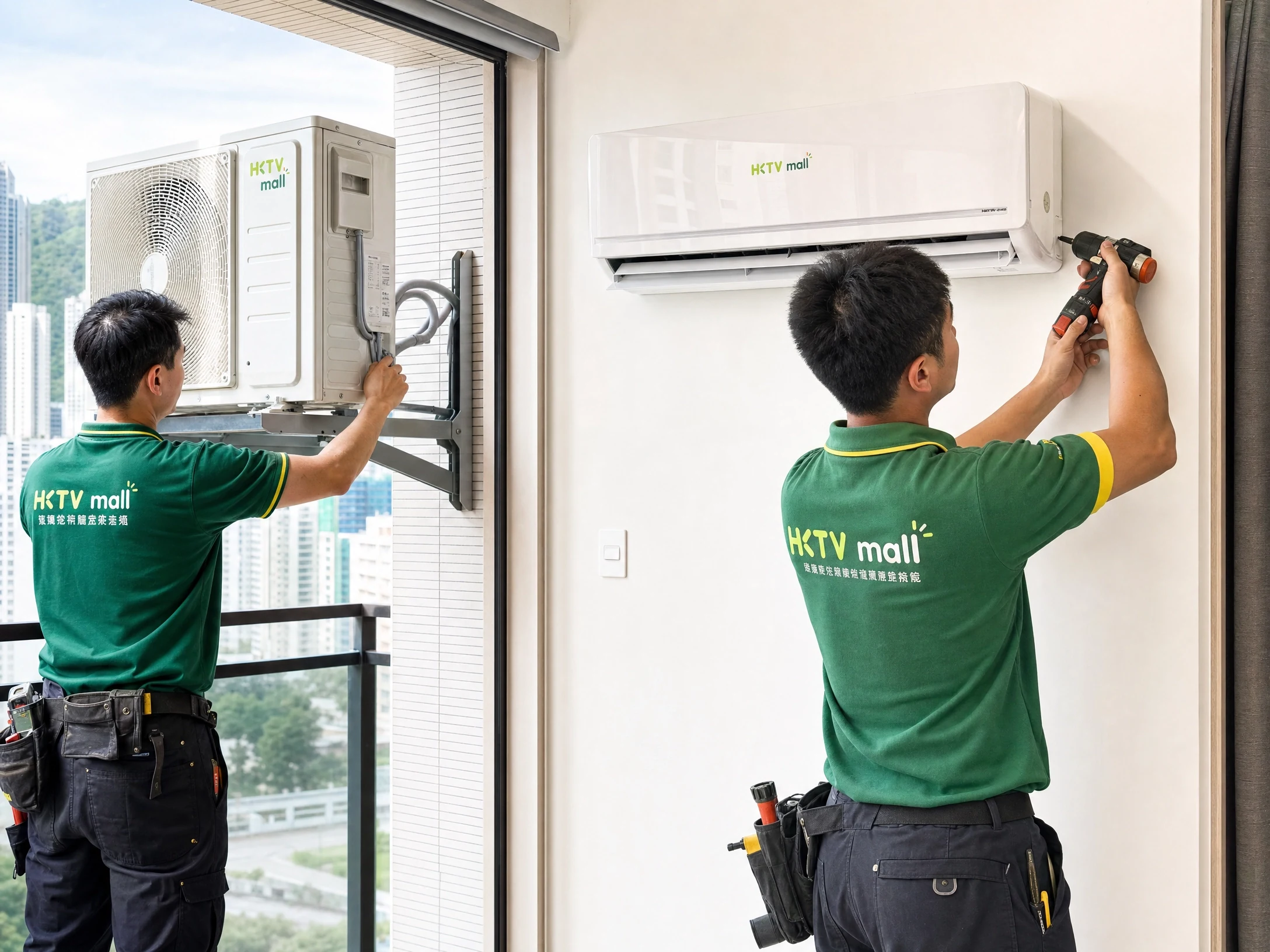
Many residents purchasing new air conditioners or relocating existing units often overlook the compatibility between wall structures and independent circuits. If a wall is made of load-bearing concrete or hollow bricks, blind drilling can compromise structural integrity and create severe risks of unit detachment. Therefore, professional installation teams conduct thorough site surveys before work begins to ensure secure brackets and adequate wall thickness against operational vibrations.
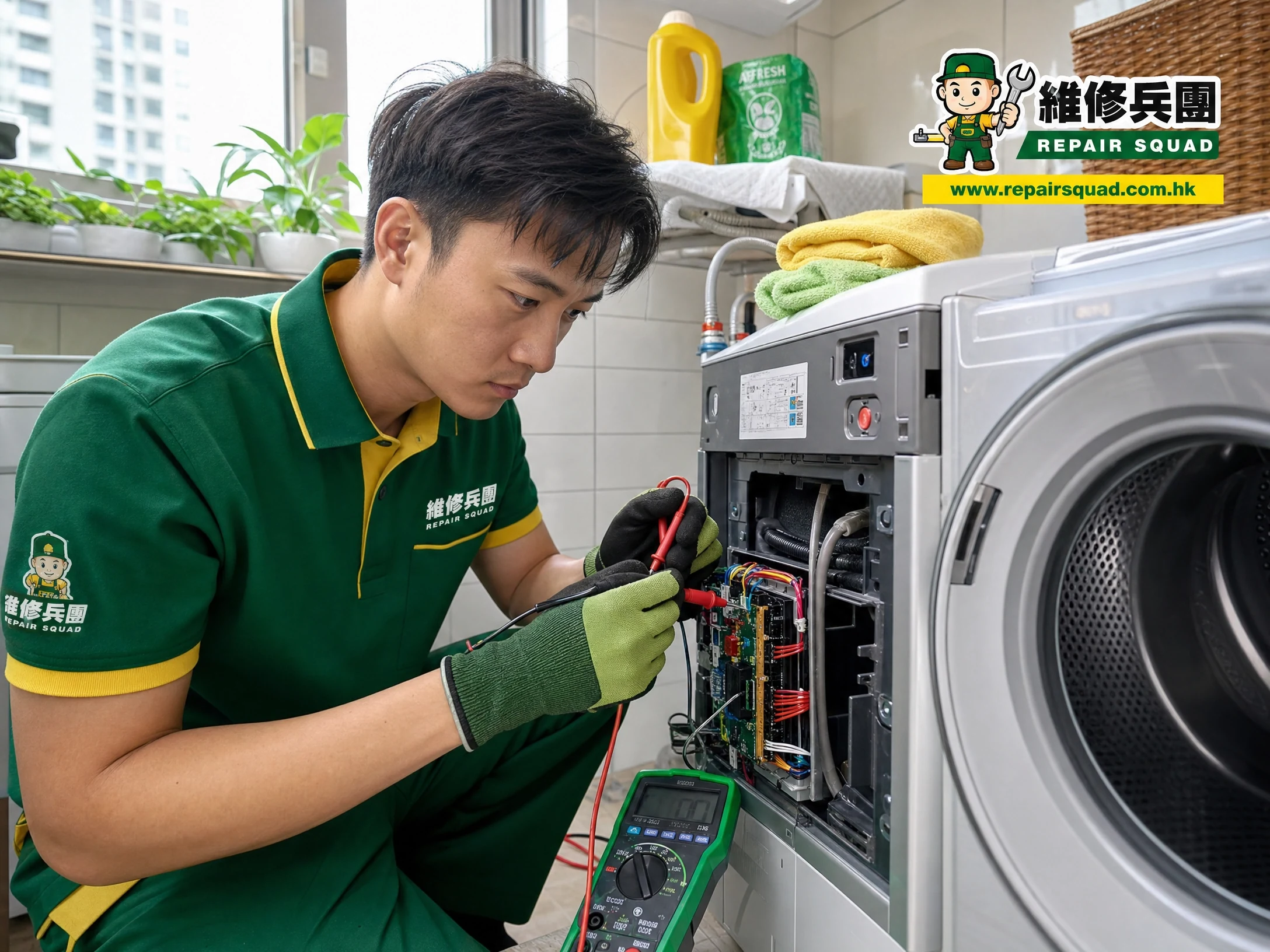
In addition to structural support, electrical load is a critical factor that requires professional scrutiny. Older residential properties feature limited main fuse box capacities, and operating multiple high-power cooling units simultaneously easily triggers circuit breakers or overheats wires. When scheduling an aircon installation, residents must verify whether independent wiring or main switch upgrades are necessary, and entrust the work strictly to qualified electricians to safeguard property.
Furthermore, electrical safety standards mandate that high-wattage air conditioning units must not share general wall sockets with other heavy domestic appliances. Overloading a standard circuit frequently results in melted insulation, severe electrical fires, or sudden power blackouts that damage sensitive electronic equipment throughout the household. Professional electrical assessment ensures proper fuse ratings and dedicated circuit breaker protection for every installed unit across residential properties.
How to Plan Aircon Drainage Slopes and Wall Positions for Air Conditioning Cleaning?
Air conditioners continuously generate condensation during operation; if drainage pipes feature improper design or insufficient slopes, backflow, water leakage, and bacterial growth inevitably occur. During aircon installation, installers must guarantee a downward physical slope for drainage pipes, secure proper connection to wastewater outlets, and reserve sufficient space for future air conditioning cleaning and maintenance.
Drainage issues rank among the most frequent complaints in Hong Kong home maintenance. When drainage pipes are laid flat or curve upward, stagnant water flows back into the indoor unit, ruining wooden flooring or wallpaper. Professional engineering teams calculate the exact drop per meter during route planning, utilizing high-grade PVC piping to guarantee smooth, unobstructed wastewater discharge.
Furthermore, the positioning of the air conditioning unit must accommodate future maintenance accessibility. Embedding units tightly within narrow false ceilings renders filter removal and evaporator washing extremely difficult during subsequent air conditioning cleaning sessions. Hence, spatial planning must reserve adequate clearance and access panels for technicians to perform routine deep cleaning.
In addition to physical clearance, proper alignment with exterior architectural drainage channels prevents nuisance dripping onto lower floors or public walkways. Neighbors frequently report dripping complaints to property management offices, which can lead to formal statutory notices and costly remediation orders. Careful initial positioning eliminates these potential neighborhood disputes and ensures full regulatory compliance.
What Are the Key Considerations for Eco-friendly Refrigerant Recovery and Refrigerant Top-up During Relocation?
Properly recovering eco-friendly refrigerants during relocation and checking system pressure for a precise refrigerant top-up afterward are vital steps to guarantee cooling efficiency and environmental compliance. According to safety guidelines issued by the Electrical and Mechanical Services Department, flammable refrigerants must be handled strictly by trained professionals.
Relocating old units involves complex procedures centered on refrigerant recovery and vacuum extraction. Failing to fully recover refrigerant into the compressor during dismantling results in leakage, damaging the ozone layer, accelerating global warming, and severely impairing cooling performance upon reinstallation.
Following reinstallation, technicians must execute system pressure testing and vacuum extraction using professional gauges before performing a refrigerant top-up according to manufacturer specifications. Minor leaks must be repaired prior to refilling; blind and frequent refrigerant top-ups should be avoided to prevent permanent compressor damage.
Modern eco-friendly refrigerants often possess mild flammability characteristics, requiring specialized handling tools and well-ventilated working environments during any intervention. Unqualified personnel lacking proper recovery cylinders and pressure gauges risk accidental gas release or explosion. Strict adherence to official safety protocols guarantees operational security throughout the entire relocation process.
What Are the Differences Between Residential and Commercial AC Maintenance Contracts and Commercial AC Engineering?
Residential occupants and commercial establishments exhibit distinct cooling requirements, resulting in notable differences in service frequency, response times, and contract terms when selecting an ac maintenance contract or planning commercial ac engineering. Commercial venues typically require heavy-duty, continuous-operation central or multi-split systems with rigorous inspection demands.
For typical residences, an ac maintenance contract generally incorporates one to two scheduled cleaning and basic inspection sessions annually, adequately meeting daily household needs. Conversely, commercial environments like restaurants, offices, or retail shops experience intense operational hours where dust and grease accumulate rapidly, necessitating frequent advanced contracts.
Commercial ac engineering involves intricate ductwork design, central chilled water system integration, and fire damper interlocking devices. Such projects require seasoned engineering teams complying strictly with Fire Services Department and Buildings Department regulations, ensuring commercial operations remain uninterrupted by equipment failures.
Moreover, commercial maintenance agreements often incorporate emergency SLA guarantees stipulating rapid response times within hours to prevent business interruption during peak trading periods. This high level of service availability contrasts sharply with standard residential arrangements, highlighting the specialized nature of commercial cooling management.
What Are the Potential Safety Risks and Regulatory Restrictions of DIY Aircon Dismantling and Installation?
Many citizens attempt DIY air conditioning dismantling or repair to reduce expenses, but such practices incur extreme safety hazards including high-altitude falling objects, electric shock, and refrigerant gas explosions. Under Hong Kong legislation and electrical safety codes, electrical connections and pressure vessel works must be executed by registered specialized contractors.
High-altitude work represents one of the most perilous aspects of air conditioning installation. Unstable exterior wall brackets or failure to wear proper safety harnesses by workers can lead to fatal falling object accidents. Moreover, improper wiring connections easily trigger short circuits and electrocution, posing severe threats to residents and the public.
Consequently, facing major malfunctions or relocation needs, residents must never take risks with DIY procedures. Engaging reputable, certified professional maintenance teams safeguards domestic safety and equipment lifespan while avoiding legal liabilities arising from non-compliant construction and unauthorized building alterations.
Furthermore, unauthorized exterior installations that violate building management bylaws or public safety guidelines can result in immediate removal orders and financial penalties from government authorities. Professional contractors ensure all mounting brackets comply strictly with structural safety standards and statutory requirements.
How to Establish an Efficient Daily Inspection and Maintenance Checklist for Air Conditioners?
To extend air conditioner lifespans and maintain optimal cooling efficiency, residents should establish a clear daily inspection and maintenance checklist, conducting comprehensive reviews across seasons. Below is a standard routine maintenance checklist executable by residents, paired with professional deep inspections to ensure flawless operation.
- Clean filters regularly: Remove and wash indoor unit filters every two to four weeks to eliminate accumulated dust and bacteria.
- Inspect airflow and vents: Monitor whether airflow remains uniform during operation without abnormal noise, odors, or freezing.
- Observe drainage performance: Periodically check exterior drainage tubes for continuous water outflow to prevent blockages and indoor backflow.
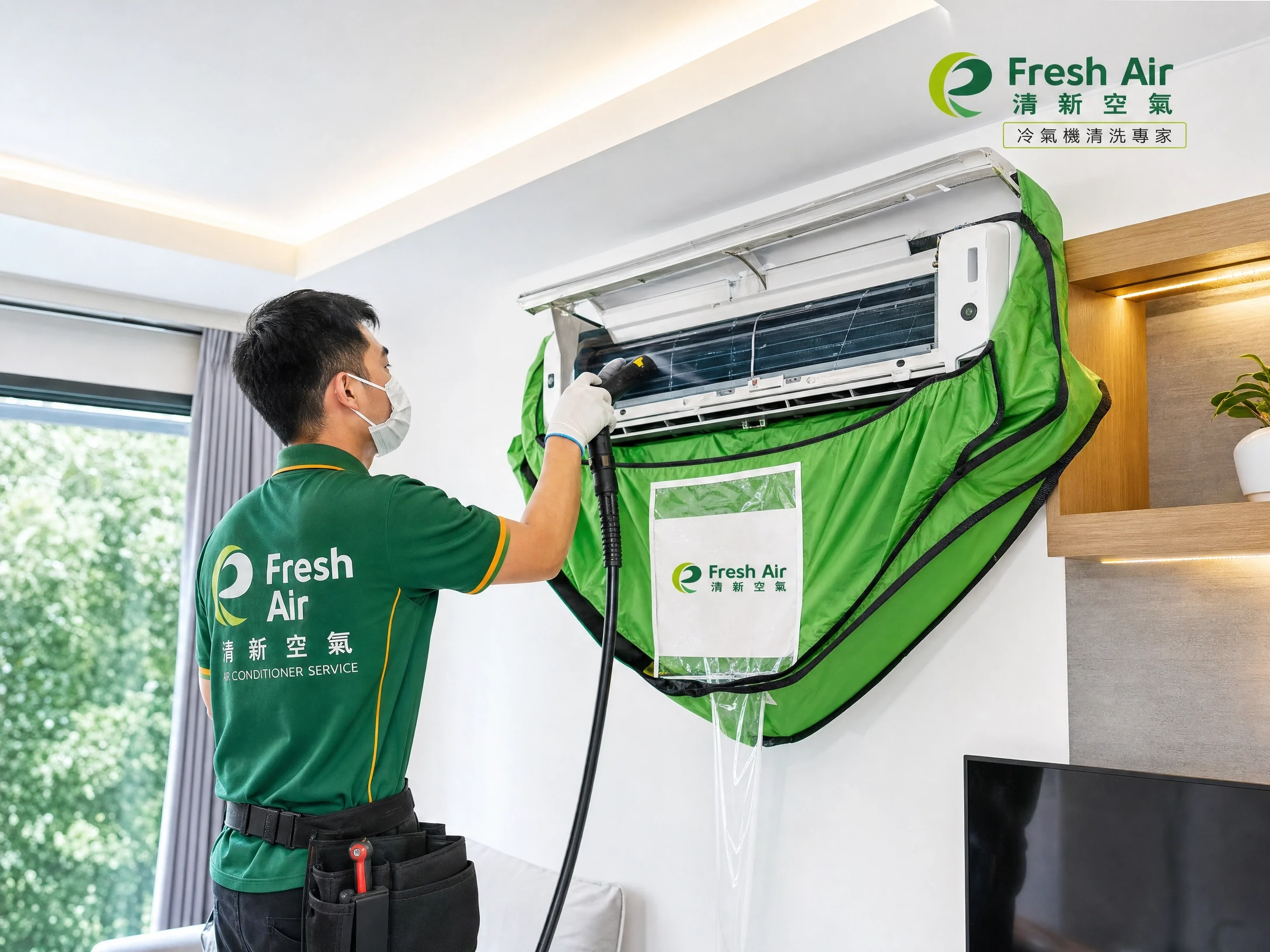
- Schedule annual deep cleaning: Invite professional technicians for chemical cleaning and comprehensive testing before peak summer seasons.
- Monitor power consumption: Early troubleshooting should be arranged if cooling slows down or electricity bills surge abnormally.
Aircon Installation and Relocation Comparison Table
| Comparison Item | DIY or Non-Professional Approach | Qualified Professional Engineering Team | Potential Risks and Consequences | Recommended Approach |
| --- | --- | --- | --- | --- |
| Wall Bracket Installation | Lacks structural assessment, easily cracking walls or loosening brackets | Precise structural detection, installing high-strength stainless steel brackets | Bracket corrosion and snapping, causing falling objects | Must be surveyed and executed by professional engineering teams |
| Drainage Pipe Slope | Laid by intuition, frequently resulting in level or reverse slopes | Calculates precise drop slopes, utilizing durable PVC piping | Wastewater backflow damaging interior decoration and flooring | Strictly plan drainage routes and perform waterproof testing |
| Refrigerant Recovery | Lacks professional tools, directly venting gas and polluting environment | Thorough recovery using recovery machines and strict vacuum extraction | Violates environmental laws and severely degrades cooling capacity | Strictly follow Environmental Protection Department guidelines |
| Electrical Circuit Load | Arbitrarily connects to existing sockets, easily overloading wires | Calculates total load capacity, setting independent switches and breakers | Wire overheating, fire hazards, or frequent circuit tripping | Entrust compliant electrical connections to registered electricians |
Upon concluding installation and relocation preparations, residents can also consult official government resources, such as reviewing general home maintenance tips provided by GovHK (https://www.gov.hk/en/residents/housing/maintenance/tips/homemaintenance.htm) for property upkeep knowledge, and examining Electrical and Mechanical Services Department FAQs regarding flammable refrigerant safety (https://www.emsd.gov.hk/frsafety/eng/general/faq.html) to enhance residential security and comfort across all properties.
Which service guide is most relevant to the next step?
Use the following service guides to understand the scope that best matches the issue before deciding whether an inspection or quotation is appropriate:
- aircon installation hong kong: a focused guide to the scope, safety considerations and contact route for this type of issue.
- aircon cleaning hong kong: a focused guide to the scope, safety considerations and contact route for this type of issue.
- aircon regas hong kong: a focused guide to the scope, safety considerations and contact route for this type of issue.
- aircon maintenance contract hong kong: a focused guide to the scope, safety considerations and contact route for this type of issue.
- aircon cleaning kwun tong: a focused guide to the scope, safety considerations and contact route for this type of issue.
Official reference
Use the Housing Authority’s official guidance as a starting point when a housing, move-in or renovation decision affects a Hong Kong home.
About the author
FixNow Home Repair Editorial Team
Frequently asked questions
Do residents need to prepare any measurements themselves before aircon installation?
Residents mainly need to measure window dimensions, reserved space, and power socket distances before installation. Professional assessments of wall load-bearing capacity, wall thickness, and voltage load should be left to qualified engineers during on-site surveys to ensure safety.
Must refrigerant be fully recovered when relocating an old air conditioner?
Yes. When dismantling an old unit, technicians must use professional recovery procedures to lock the refrigerant fully into the compressor. Direct venting damages the environment, violates regulations, and results in insufficient cooling upon reinstallation.
What usually causes aircon drainage backflow or dripping?
Dripping or backflow is usually caused by insufficient drainage slopes, internal algae and grease blockages, or loose joints. Installations must ensure adequate downward slopes and regular cleaning and unclogging.
What services are generally included in a residential ac maintenance contract?
Standard residential contracts typically include one to two annual visits for ac cleaning, filter inspection, voltage testing, refrigerant pressure measurement, and drainage system checks. Contracts help prevent sudden breakdowns and maintain efficiency.
What are the main differences between commercial ac engineering and residential installation?
Commercial ac engineering involves larger ductwork systems, central chilled water units, fire damper interlocks, and heavy-duty electrical designs requiring rigorous regulatory compliance, whereas residential installations focus on single or multi-split units.
Under what circumstances must residents immediately stop using an aircon and seek professional repair?
If an air conditioner emits a pungent burning odor, frequently trips circuit breakers, leaks heavily, produces metallic grinding noises, or shows abnormal frosting on refrigerant pipes, residents must immediately shut off the main power switch and stop operation.