Air Conditioner Not Cooling Troubleshooting Guide for Hong Kong Homes
Air Conditioner Not Cooling Troubleshooting Guide for Hong Kong Homes
Published: 2026-08-15 · Updated: 2026-08-15 · 9 min read
TL;DR
Troubleshooting an air conditioner not cooling in Hong Kong? Learn check steps for filters, drainage, and refrigerant. Contact us for professional service. Use the practical checkpoints below to separate a low-risk next step from work that needs a qualified professional. Keep a written record of the scope, timing and any change agreed on site.
Planning decision checklist
| Stage | Action today | Confirm before proceeding |
|---|---|---|
| Scope | Write down the outcome you need | What is included, excluded and contingent |
| Time | Set a realistic milestone sequence | Access, approvals and disruption constraints |
| Cost | Compare like-for-like quotations | Payment stage, variation process and warranty |
Visual repair guide
When Hong Kong residents discover that their air conditioning unit is running continuously but failing to provide adequate cooling, it frequently causes significant frustration during sweltering and humid weather conditions. Facing a sudden breakdown in cooling performance requires maintaining absolute composure, avoiding random temperature adjustments, or attempting aggressive disassembly that could cause dangerous electrical short circuits or physical component damage. This comprehensive guide details the primary causes of cooling failures in local homes, routine troubleshooting steps, and the precise safety boundaries that every homeowner must carefully observe.
Before initiating any preliminary inspection, residents must understand essential safety boundaries, including shutting off the main electrical power supply, avoiding high-voltage circuits, and strictly refraining from attempting to weld or handle refrigerant lines independently. By following a structured diagnostic procedure, residents can systematically inspect air filters, external ventilation, and condensate drainage conditions. This methodical approach helps identify minor issues safely while protecting household electrical safety and extending the overall operational lifespan of the cooling equipment according to official professional guidelines.
Why is My Air Conditioner Running Without Cooling? Common Causes and Initial Assessments
Cooling failures stem from a diverse range of factors, varying from simple remote control configuration errors to mechanical component aging and system wear over time. When noticing a noticeable drop in cooling output, residents should first verify whether the remote control is correctly set to cooling mode, fan speeds are adequate, and temperature settings are reasonable. Frequently, accidental switches to fan or dry mode lead to a false impression of mechanical malfunction.
Beyond control settings, indoor and outdoor environmental temperatures and humidity levels significantly influence air conditioner efficiency in residential properties. During sweltering and humid Hong Kong summers, extreme outdoor temperatures combined with high indoor occupancy require extended cooling cycles. Furthermore, inadequate indoor insulation or direct sunlight exposure increases thermal loads, making the air conditioning system appear less effective than expected under normal operating conditions.
If control settings and environmental factors are completely normal, the underlying issue likely originates within the physical components of the air conditioner itself. Common culprits include heavily choked air filters, obstructed evaporator coils, blocked condensate drainage pathways, or inadequate refrigerant levels. Recognizing these frequent root causes enables residents to perform targeted, safe preliminary inspections before considering advanced technical intervention or professional support from certified specialists.
How Do Filter and Coil Dust Accumulate Affect Cooling? Proper Cleaning and Maintenance Steps
Air filters serve as the primary defensive barrier of an air conditioner, intercepting airborne dust, lint, and particulate matter circulating indoors. If neglected over extended periods, filters become blanketed in thick grime, severely restricting airflow and preventing chilled air from circulating effectively throughout the room. This restriction not only impairs cooling performance but also forces the compressor to work much harder, driving up electricity consumption and accelerating mechanical wear.
To restore optimal cooling performance, residents can perform routine air conditioner cleaning on accessible filter screens. Before touching any internal components, always switch off the electrical power supply and unplug the unit to guarantee absolute personal safety. Carefully extract the filter panels, rinse them gently with lukewarm water or neutral detergent, and allow them to dry completely in a shaded, well-ventilated area before reinstalling them into the system.
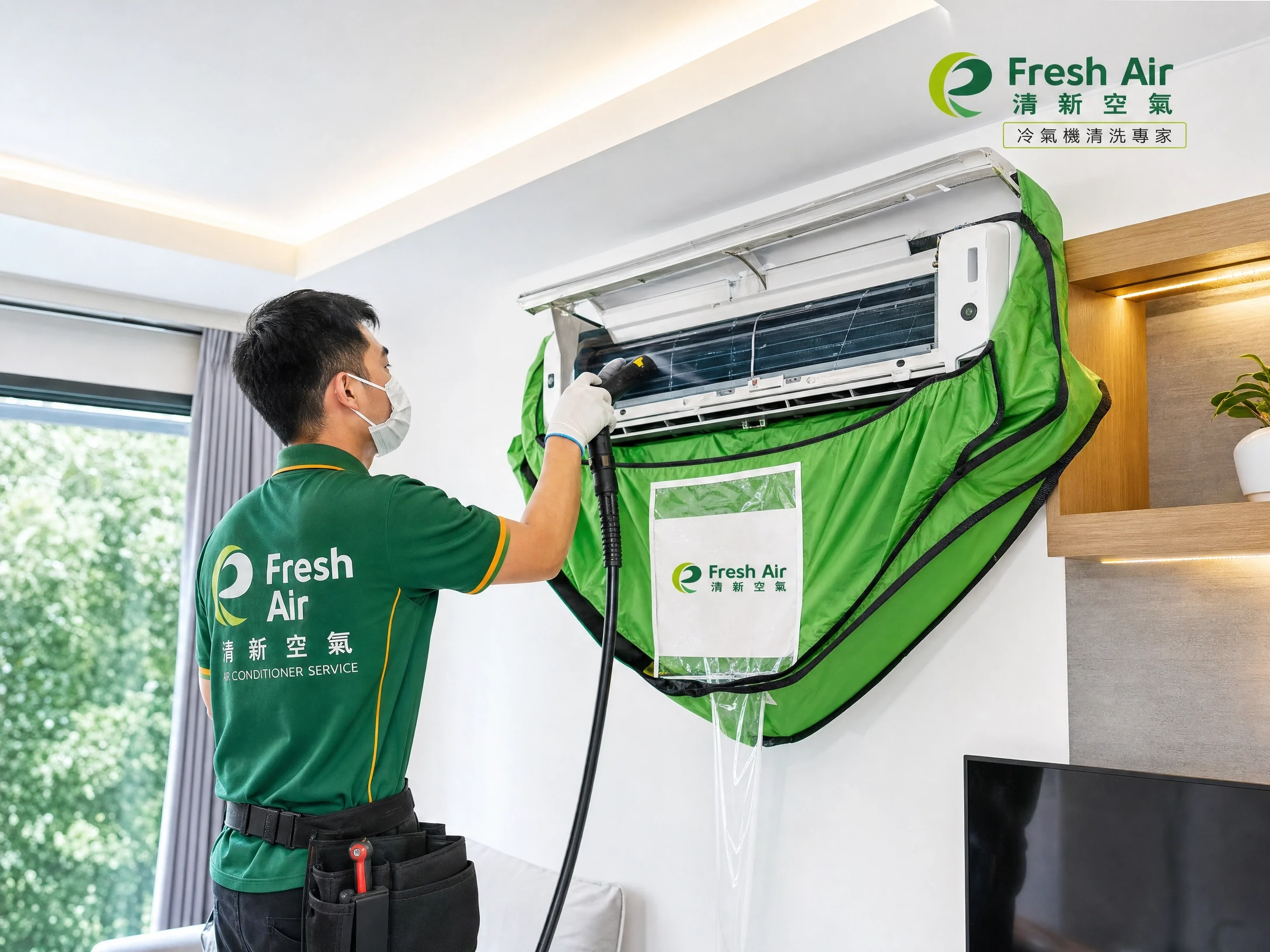
During routine maintenance, if stubborn grime or unpleasant odors are detected on internal cooling coils, avoid scrubbing with abrasive metallic tools. To thoroughly improve indoor air quality and thermal efficiency, consider engaging professional air conditioner cleaning services, whether arranging specialized support in districts like Kwun Tong AC cleaning services or scheduling expert residential maintenance across Hong Kong properties.
Here are the safe, step-by-step procedures for cleaning residential air conditioner filters:
1. Shut off the main power supply and ensure the electrical plug is completely disconnected from the socket.
2. Open the front panel carefully to release and extract the removable air filter screens for inspection.
3. Rinse the filters gently using lukewarm water or diluted neutral cleaning solution to remove accumulated dust.
4. Place the cleaned filters in a shaded area to air dry completely; avoid direct sunlight exposure.
5. Reinstall the completely dried filters back into their correct positions and secure the front panel.
Can Clogged Condensate Drainage Pipes Cause Cooling Issues? Safe Inspection and Clearing
Many occupants overlook the critical impact of condensate drainage systems on overall air conditioning operation. When drain pipes become choked or suffer from backflow, certain modern units automatically trigger protective mechanisms to prevent flooding, which can disrupt fan operation and heat exchange efficiency, indirectly causing inadequate cooling performance across indoor living spaces.
When inspecting drainage pipes, residents should check whether condensation flows properly from the outdoor discharge outlet. If the drainage pipe appears completely dry while water levels inside the indoor unit rise abnormally, moss, dust, or debris may be obstructing the internal channel and impeding smooth water flow.
For minor drainage blockages, residents can apply gentle external suction at the discharge outlet or inspect the flexible tubing for kinks. However, if severe clogs occur or pipes are concealed within walls, never force metallic wires into the drainage line, as puncturing the pipe will cause severe water leaks and property damage.
When Do Air Conditioners Actually Require Refrigerant Recharging? Understanding Leaks and Safety
When filters are pristine and drainage is functioning normally, but the discharged air remains lukewarm, many people immediately suspect refrigerant shortage. In reality, an air conditioning system operates as a closed loop where refrigerant should theoretically never deplete naturally. A shortage indicates an underlying leak somewhere in the copper piping or joints.
Simply performing refrigerant recharging procedures without locating and repairing the leak source fails to resolve the root problem, as newly added gas will quickly escape again. According to EMSD safety guidelines, refrigerants involve flammable or high-pressure gases, and any detection or replenishment must be executed strictly by licensed professionals.
Before seeking professional support, residents can inspect copper pipe connections for oil stains or frost accumulation, which often signal refrigerant leaks. When professional intervention is required, ensure you engage experienced contractors who comply fully with safety regulations, whether scheduling services in areas like Tai Koo AC cleaning specialists or other residential districts.
When Must You Stop Using the Unit and Seek Professional Air Conditioner Repair? DIY Limits and Safety
While DIY troubleshooting and cleaning resolve minor issues, home maintenance has strict safety boundaries. When an air conditioner emits burning odors, generates abnormal mechanical grinding noises, or repeatedly trips the household circuit breaker, occupants must immediately shut off the power and halt operation to prevent electrical hazards.
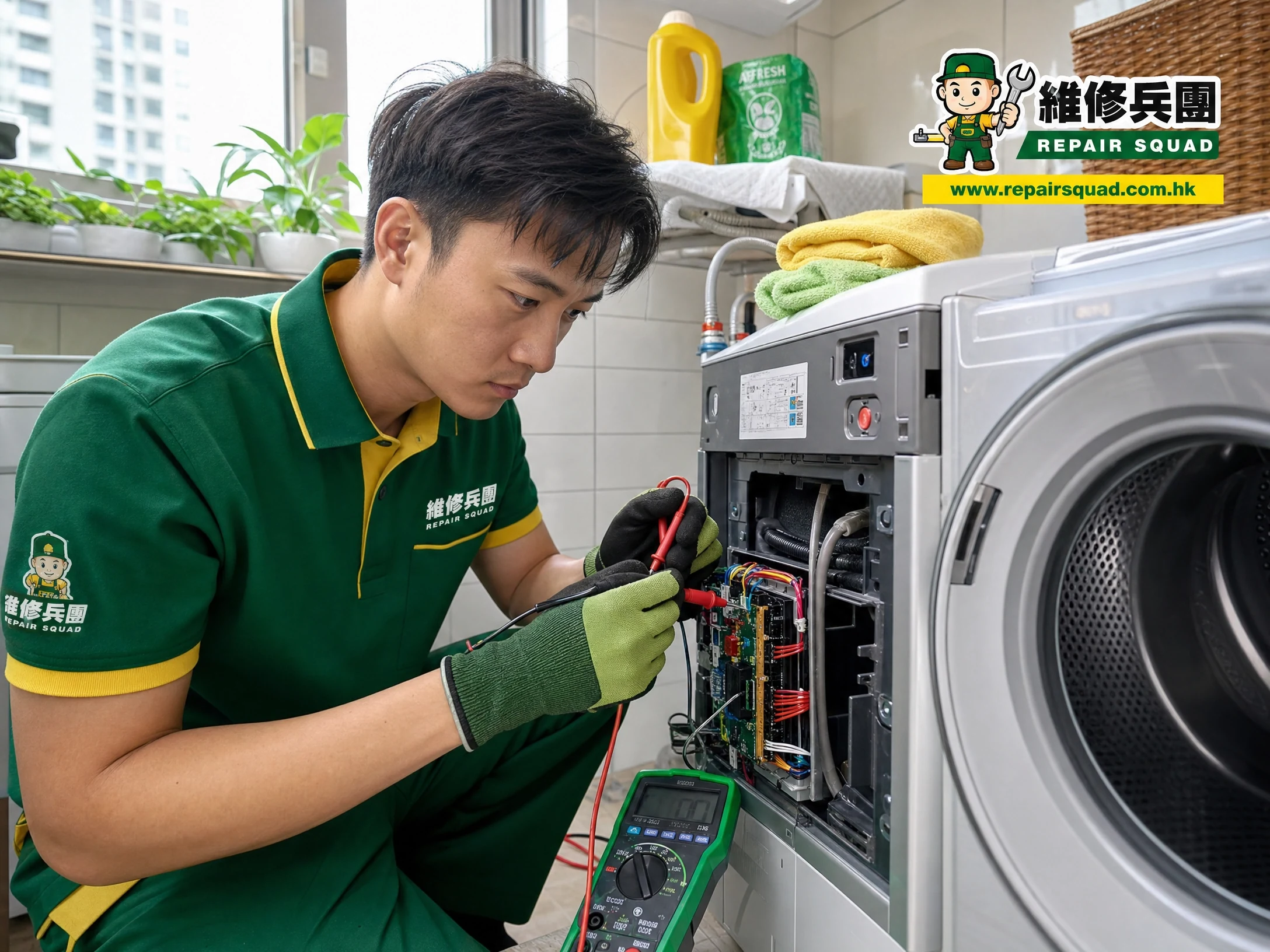
Furthermore, complex electronic control board repairs, compressor replacements, high-altitude scaffolding work, or major air conditioner installation projects completely exceed safe DIY boundaries. In such instances, rely on certified professional teams equipped with proper testing instruments and compliance protocols.
Referring to official government guidance, proper routine maintenance and timely engagement of qualified contractors are essential for extending appliance longevity. Homeowners should maintain a rational approach, avoiding risky makeshift fixes when encountering complex malfunctions.
Understanding the thermodynamic principles of vapor compression refrigeration cycles can greatly assist homeowners in diagnosing why an air conditioner fails to deliver sufficient cooling. The refrigeration cycle relies on continuous phase changes of the refrigerant fluid as it absorbs thermal energy from the indoor air through the evaporator coil and releases that heat outdoors through the condenser coil. When any component within this closed thermodynamic circuit becomes compromised by environmental debris, mechanical wear, or reduced airflow, the entire system efficiency drops precipitously across residential properties.
Moreover, residential electrical stability plays a paramount role in maintaining uninterrupted air conditioning operation across high-density housing developments in Hong Kong. Fluctuations in line voltage or aging internal wiring can prevent compressors from starting reliably, resulting in fan-only operation where ambient air circulates without temperature reduction. Residents must remain vigilant about electrical safety, ensuring that power strips are never used for high-wattage window units or split-type air conditioning systems to prevent overheating and potential fire hazards during peak summer months.
Additional considerations include verifying proper thermal insulation around windows and doors, as well as ensuring that indoor heat-generating appliances are kept away from thermostat sensors. By combining meticulous physical inspections with timely professional consultations, homeowners can maintain optimal indoor climate control while safeguarding their property investment and ensuring absolute household safety throughout the entire year.
Furthermore, scheduling regular seasonal maintenance before the onset of summer helps detect minor electrical anomalies and refrigerant discrepancies early. Experienced technicians can evaluate capacitor health, measure operating currents, and ensure that airflow channels remain unobstructed, thereby preventing sudden breakdowns when ambient temperatures peak across local neighborhoods.
| Failure Symptom | Potential Root Cause | DIY Inspection Method | Recommended Solution |
| :--- | :--- | :--- | :--- |
| Running but no cooling output | Choked filters or wrong settings | Check remote mode and clean filters | DIY cleaning or professional service |
| Weak airflow and stale odors | Evaporator mold or blower grime | Inspect vents and internal cleanliness | Professional deep cleaning and disinfection |
| Mildly cool air, high room temp | Refrigerant leak or poor heat rejection| Check outdoor heat and pipe frost | Schedule professional technician inspection |
| Tripping breakers or burning smell | Electrical board fault or short circuit | Shut off main power and halt operation | Emergency electrical and repair support |
Which service guide is most relevant to the next step?
Use the following service guides to understand the scope that best matches the issue before deciding whether an inspection or quotation is appropriate:
- aircon cleaning hong kong: a focused guide to the scope, safety considerations and contact route for this type of issue.
- aircon regas hong kong: a focused guide to the scope, safety considerations and contact route for this type of issue.
- aircon installation hong kong: a focused guide to the scope, safety considerations and contact route for this type of issue.
- aircon cleaning kwun tong: a focused guide to the scope, safety considerations and contact route for this type of issue.
- tai koo aircon cleaning: a focused guide to the scope, safety considerations and contact route for this type of issue.
Should an air conditioner be switched off if it is not cooling and also smells, leaks or trips the breaker?
Stop using the unit rather than dismantling it when poor cooling comes with a persistent smell, expanding leakage, unusual heat or a tripped breaker. Note what happened and when, so an inspection can focus on the right safety boundary.
What should be recorded before arranging an air-conditioning inspection?
Note when the cooling problem occurs, the remote-control setting, any indoor-unit leakage, whether a breaker has tripped and roughly when the unit was last cleaned. These observations do not replace inspection, but they make the next conversation more focused and discourage unnecessary DIY work before the cause is known.
Can a blocked filter be cleaned safely without taking the unit apart?
Only perform the routine cleaning stated in the manufacturer instructions after switching the unit off. If access requires dismantling electrical covers, reaching outdoor equipment or handling fluids, stop and arrange a suitable inspection instead of extending a basic cleaning task into a repair attempt.
Official reference
Use the Housing Authority’s official guidance as a starting point when a housing, move-in or renovation decision affects a Hong Kong home.
About the author
FixNow Home Repair Editorial Team
Frequently asked questions
If my air conditioner runs for a long time without cooling, is refrigerant recharging always necessary?
Not necessarily. Common causes include dirty filters, incorrect settings, or poor heat rejection. Refrigerant is a closed system and does not deplete naturally without a leak; inspect and clean filters first.
Can residents clean air conditioner filters themselves at home?
Yes. After disconnecting power, residents can remove filters, rinse with water, air dry, and reinstall them. However, internal coils and components are best handled by professionals.
What causes frost accumulation on air conditioner copper pipes?
Pipe frost is usually caused by severely choked filters restricting airflow or low refrigerant causing low evaporation pressure. Stop the unit and consult a professional technician.
Does a non-rotating outdoor unit affect cooling performance?
Yes. The outdoor unit dissipates heat. If compressor or fan motor failures stop it from running, the unit loses all cooling capability and requires professional repair.
Who should I contact if a newly installed air conditioner stops cooling shortly after setup?
For newly installed units, immediately contact the contractor responsible for air conditioner installation or the retailer to inspect for improper workmanship or connection leaks.
How often should residential air conditioners be cleaned in Hong Kong?
It is recommended to clean basic filters every four to six months and invite qualified technicians for annual deep cleaning and inspection to ensure high efficiency.