When to Repair or Replace Home Appliances in Hong Kong
When to Repair or Replace Home Appliances in Hong Kong
Published: 2026-08-15 · Updated: 2026-08-15 · 9 min read
TL;DR
Deciding whether to repair or replace broken home appliances? Learn key cost, safety, and lifespan criteria for appliances, water heaters, and AC units in HK. Use the practical checkpoints below to separate a low-risk next step from work that needs a qualified professional. Keep a written record of the scope, timing and any change agreed on site.
Planning decision checklist
| Stage | Action today | Confirm before proceeding |
|---|---|---|
| Scope | Write down the outcome you need | What is included, excluded and contingent |
| Time | Set a realistic milestone sequence | Access, approvals and disruption constraints |
| Cost | Compare like-for-like quotations | Payment stage, variation process and warranty |
Visual repair guide
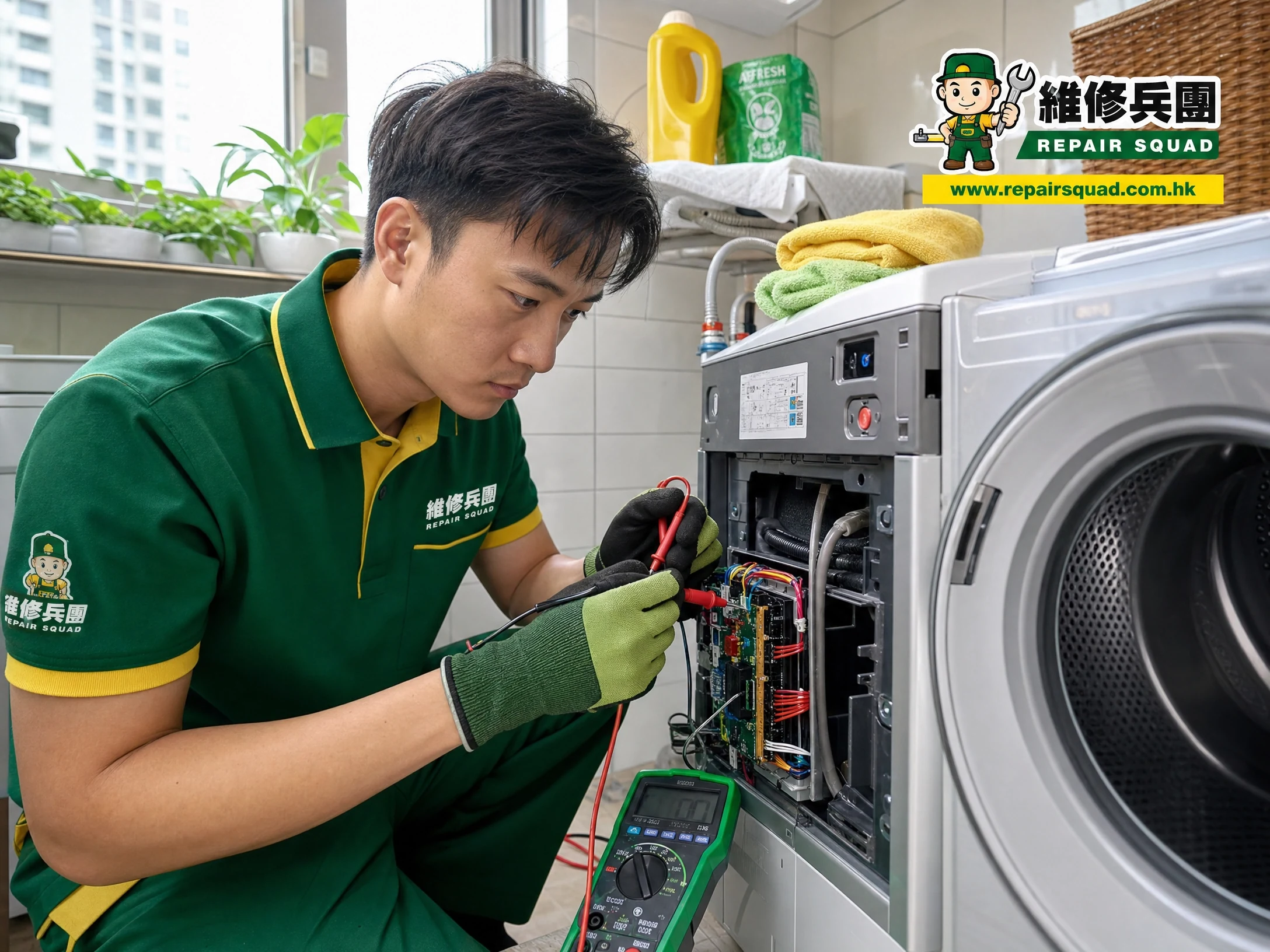
When home appliances break down or malfunction unexpectedly in residential properties across Hong Kong, residents often face a critical and difficult decision between pursuing professional repairs or purchasing brand new replacement units. This introductory section immediately outlines crucial safety boundaries and structured assessment steps to help property owners make rational, well-informed choices that balance personal electrical safety with optimal cost-effectiveness. When domestic appliances suddenly exhibit sparks, burning odors, intermittent power tripping, or abnormal operational noises, homeowners must strictly avoid blind DIY disassembly or forcing the equipment to restart. Instead, the immediate priority is to safely cut off the main electrical power supply, isolate the affected device, and carefully evaluate the overall extent of structural and mechanical damage before taking any further action.
Home Appliance Repair vs Replacement: How to Decide in Hong Kong?
Given the relatively compact living spaces, high-density residential environments, and vertical apartment structures typical throughout Hong Kong, major household appliances such as automatic washing machines, double-door refrigerators, and residential air conditioning units play an indispensable role in daily living. When these essential machines suffer unexpected breakdowns, the resulting disruption to daily routines is immediate and profound. Homeowners and tenants evaluating whether to invest in professional home appliance repair should comprehensively consider several key operational factors, including the actual operational lifespan elapsed since purchase, current professional repair quotations, and the market availability of genuine replacement spare parts. If an electrical or mechanical appliance has already operated near or beyond the terminal phase of its original design lifespan, and if the total estimated repair quotation exceeds half the market price of a brand-new comparable unit, continuing to invest in repairs is generally financially imprudent and economically discouraged.
However, if the underlying malfunction stems from minor peripheral component wear and tear—such as a minor blockage in the drainage pump, aging door magnetic gaskets, or a degraded motor start capacitor—engaging professional technicians to replace the specific worn component is frequently far more economical, practical, and environmentally sustainable than discarding the entire machine. Throughout this careful evaluation process, property occupants should proactively consult official government home maintenance guidelines, such as those provided by official administrative resources, to ensure that all maintenance or replacement procedures are executed exclusively by qualified registered contractors. This prudent approach prevents accidental secondary equipment damage, avoids potential voiding of home insurance policies, and eliminates severe electrical or structural safety hazards within domestic premises.
As operating years accumulate steadily within residential properties, the overall energy efficiency rating of aging domestic appliances experiences a noticeable and continuous decline, resulting in significantly escalated daily electricity consumption. Even if a severely aged appliance successfully undergoes temporary mechanical repairs, the long-term accumulation of higher monthly electricity utility bills can easily surpass the financial investment required to purchase a brand-new replacement unit equipped with a modern grade-one energy efficiency label. Consequently, factoring long-term running utility costs into the comprehensive decision-making framework is a fundamental and critical step for every prudent homeowner.
Water Heaters and Air Conditioners: When Must You Stop Using Them and Seek Professional Inspection?
Domestic gas water heaters, instantaneous electric water heaters, and storage water heaters are intimately connected to daily personal bathing hygiene, comfort, and combustion safety. If these critical thermal appliances begin exhibiting abnormal burning odors, persistent water leakage, unstable water temperature control, or recurring ignition failures, occupants must immediately suspend their operation and take them out of service. Especially when issues involve pressurized gas supplies or high-voltage electrical heating elements, any unauthorized, non-professional tinkering, modification, or DIY attempted repair is strictly illegal, highly irresponsible, and extremely dangerous. Comprehensive water heater repair and safety testing must always be entrusted to registered professional gas or electrical specialists, and homeowners should never attempt to inspect internal combustion chambers, gas valves, or immersion heating rods independently under any circumstances.
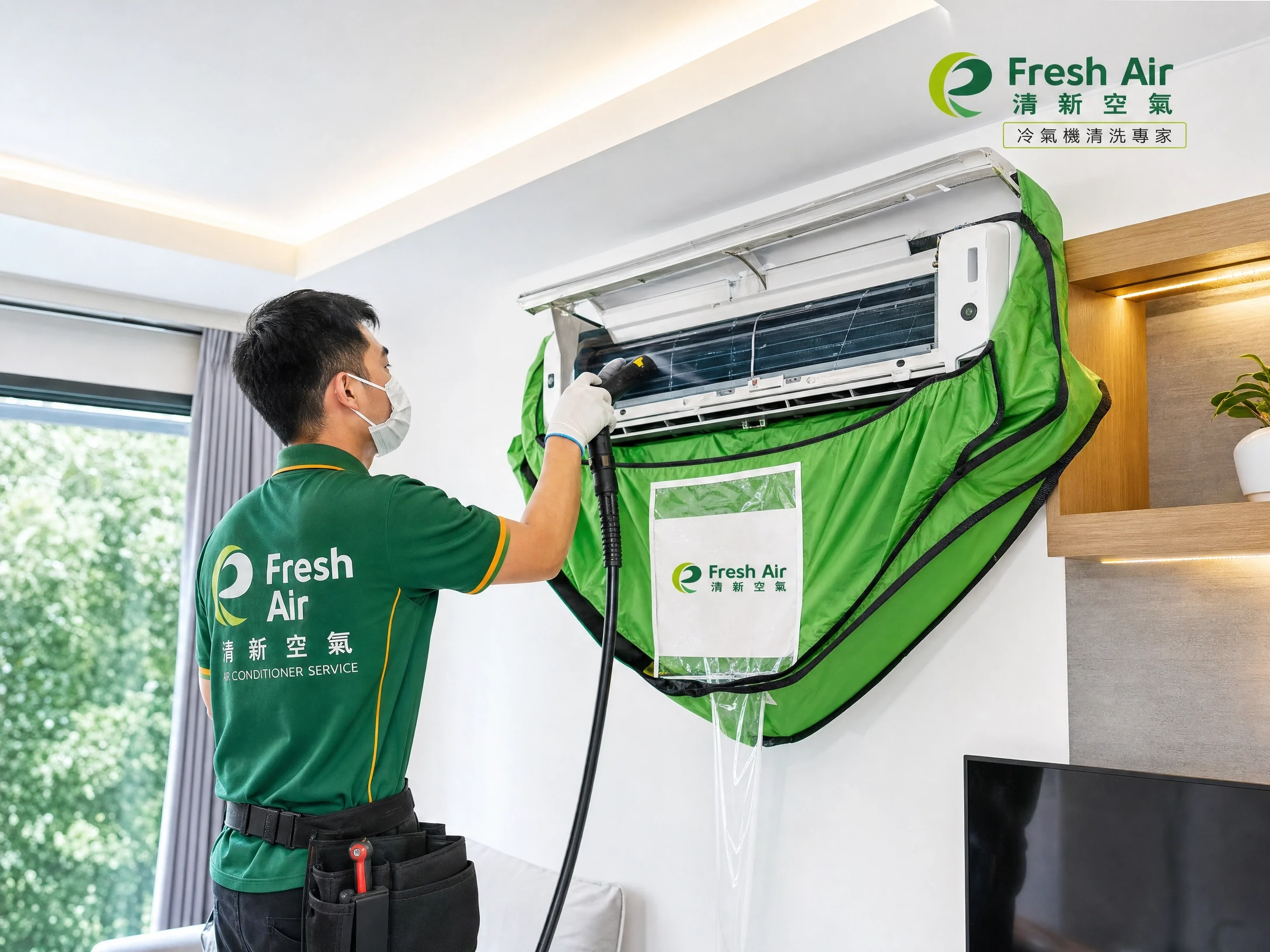
Similarly, when split-type room air conditioners or traditional window cooling units manifest severe condensate water dripping, disruptive mechanical noise, or drastically diminished cooling capacity during humid summer months, property occupants should proactively schedule qualified technical personnel for an on-site inspection without unnecessary delay. Routine and thorough AC cleaning not only substantially improves indoor energy efficiency and cooling output but also allows technicians to detect early warning signs such as insulation aging, terminal block scorching, or condensate drain pipe blockages, thereby comprehensively safeguarding domestic environmental hygiene, indoor air quality, and overall electrical fire safety.
Gas-fired appliances and heavy-duty air conditioning systems are subject to stringent statutory regulatory frameworks under Hong Kong law. Residents must never trivialize minor operational anomalies or strange operational sounds. If a burning plastic smell emanates from air conditioning supply vents during operation, or if combustion exhaust flues show signs of loosening or corrosion, occupants must immediately close all relevant fuel and power supply valves, extinguish open flames if applicable, and contact certified professional technical support services immediately to ensure absolute residential safety.
Repair Costs and Lifespan: How to Calculate Economic Value?
When calculating the true economic value of appliance investments and repair proposals, property owners can apply a practical and widely accepted percentage rule of thumb: when professional repair quotations reach or exceed fifty percent of the total acquisition cost for a brand-new replacement unit, financial preference should lean decisively toward purchasing new equipment. To assist local residents in making objective, data-driven decisions, the following comprehensive comparative table outlines typical operational lifespans, recurring fault symptoms, recommended professional treatments, and essential preventive maintenance focal points for common Hong Kong household appliances:
| Appliance Type | Average Lifespan | Common Fault Symptoms | Recommended Action | Preventive Maintenance Focus |
|---|---|---|---|---|
| Split-Type Air Conditioner | 8 to 10 years | Insufficient cooling capacity, heavy condensate leaks, loud operational vibration | Professional AC cleaning, component testing, or compressor inspection | Clean dust filters monthly, check refrigerant operating pressures annually |
| Gas Water Heater | 10 to 12 years | Failure to ignite, uncontrollable water temperature, automatic safety shutdown | Engage registered specialist mechanics for water heater repair | Inspect exhaust flue clearance, avoid prolonged bathroom dampness |
| Automatic Washing Machine | 6 to 8 years | Drainage failure, non-rotating drum, severe mechanical body vibration | Replace worn motor brushes/pumps or evaluate full replacement | Clean foreign object debris filters regularly, avoid overloading laundry |
| Double-Door Refrigerator | 10 to 12 years | Loss of cooling performance, brittle door rubber gaskets, continuous compressor run | Check electronic thermostat, clean condenser coils, or replace unit | Maintain adequate rear ventilation clearance, periodic frost cleaning |
Through these objective benchmark data points and structured comparisons, property occupants can gain a much clearer understanding of varying equipment depreciation rates and true repair cost-effectiveness, preventing wasteful financial investments into obsolete machinery that holds no remaining operational value.
Self-Inspection and Safety Boundaries: What Should Never Be Desassembled Independently?
Within the scope of routine domestic property maintenance, tasks that individual residents are legally and safely permitted to perform are strictly limited to external surface cleaning, washing removable dust filters, wiping outer appliance casings, or inspecting surface-level drainage funnels—all of which represent non-electrical and non-gas intervention tasks. Any repair or maintenance procedure involving main electronic control circuit boards, internal wiring harnesses, sealed refrigeration compressors, gas supply control valves, or high-voltage transformer components is strictly prohibited for DIY handling. Professional electrical repair inherently carries severe risks of fatal electric shock, electrical arcing, and catastrophic residential fires, and must therefore be executed exclusively by qualified registered electrical contractors possessing statutory certification.
Official safety guidelines published by relevant Hong Kong government regulatory departments explicitly emphasize that citizens must verify that main circuit breaker switches are completely turned off and power plugs are physically disconnected prior to conducting any form of preliminary equipment inspection. If complex electrical circuit breaker tripping occurs repeatedly without an obvious external cause, occupants must never force the circuit breaker switch back into the closed position or attempt makeshift wiring patches; instead, they must seek immediate assistance from licensed professional electrical technicians.
Residents should systematically follow clear, standardized troubleshooting and action steps when addressing various home maintenance scenarios to guarantee personal physical safety and prevent the unnecessary escalation of equipment damage:
1. Cease equipment operation immediately upon detecting any unusual operational anomaly, and disconnect corresponding main power circuit breakers or unplug power cables.
2. Document detailed physical observations of the fault symptoms at the time of occurrence, such as burning odors, strange grinding sounds, breaker tripping locations, or water leakage points.
3. Consult product user manuals to check whether external lint filters, drainage pipes, or accessible fuse holders require routine cleaning or user-level clearing.
4. If identified issues exceed routine user cleaning scopes, refrain completely from opening equipment chassis casings and contact qualified professional service teams.
5. Ascertain and understand all transparent repair fee details provided by contractors prior to work authorization, including on-site inspection fees and spare parts quotation terms.
Repair Charges and Contract Choices: Practical Indicators for Evaluating Contractors and Quotes
Faced with a diverse array of maintenance companies operating within the competitive local market, residential occupants care most about fair, transparent, and reasonable repair charges. Reputable and professional service contractors routinely provide clear, itemized written quotations that explicitly itemize on-site inspection fees, labor service charges, and genuine original spare parts costs, strictly avoiding any unauthorized additions of extra expenses or hidden surcharges without explicit prior client consent.
When selecting appropriate repair and maintenance services, consumers should diligently verify commercial business license credentials, professional trade registrations, and established industry reputation, consciously avoiding unverified mobile street stalls or vague, verbal-only price estimates. Consulting official public education resources and consumer advisory guides published by statutory government departments—such as the Electrical and Mechanical Services Department regarding qualified electrical contractors—can effectively safeguard consumer rights and prevent deceptive commercial practices.
In summary, determining whether to undertake home appliance repair or purchase a replacement unit is never merely a simplistic calculation of immediate monetary cost; it fundamentally encompasses critical safety considerations regarding fire prevention, electrical shock mitigation, and domestic structural security. Rational evaluation of equipment operational lifespans, diligent adherence to official government safety guidelines, and the selection of qualified professional technicians represent the absolute best strategic approach to maintaining a secure, comfortable, and sustainable residential living environment throughout Hong Kong.
Which service guide is most relevant to the next step?
Use the following service guides to understand the scope that best matches the issue before deciding whether an inspection or quotation is appropriate:
- appliance repair hong kong: a focused guide to the scope, safety considerations and contact route for this type of issue.
- water heater repair hong kong: a focused guide to the scope, safety considerations and contact route for this type of issue.
- aircon cleaning hong kong: a focused guide to the scope, safety considerations and contact route for this type of issue.
- electrician hong kong: a focused guide to the scope, safety considerations and contact route for this type of issue.
- home repair cost hong kong: a focused guide to the scope, safety considerations and contact route for this type of issue.
Official reference
Use the Housing Authority’s official guidance as a starting point when a housing, move-in or renovation decision affects a Hong Kong home.
About the author
FixNow Home Repair Editorial Team
Frequently asked questions
When home appliances break down, should I choose repair or direct replacement?
If an appliance is near the end of its design lifespan and repair quotes exceed half the price of a new unit, replacement is usually recommended. For minor part wear, repair is more cost-effective.
Can I disassemble and inspect a water heater myself if it shows unstable temperatures or odors?
Absolutely not. Gas water heaters involve gas and high-pressure electrical safety. Any unauthorized DIY disassembly is illegal and extremely dangerous. You must stop use and arrange registered mechanics.
How often should air conditioners be cleaned to ensure operating efficiency?
It is generally recommended to conduct professional cleaning and inspection for residential AC units at least once a year to boost cooling efficiency and detect wiring or drainage issues early.
How can repair company charges be evaluated as reasonable?
Reputable contractors provide clear quotations detailing inspection fees, labor costs, and original parts prices, obtaining client consent before work without unauthorized extra expenses.
Under what electrical fault conditions must registered electrical contractors be consulted?
Any situation involving circuit tripping, socket smoke, damaged wiring, or main circuit board anomalies must be handled by registered electrical contractors. Never force switches back on.
Should rising energy consumption in old appliances be considered for replacement?
Yes. As years pass, motor efficiency of aging appliances drops significantly, and long-term accumulated extra electricity bills may exceed the cost of replacing with a grade-one energy label unit.