Building Drain Maintenance Guide: Checklist for Owners and Tenants
Building Drain Maintenance Guide: Checklist for Owners and Tenants
Published: 2026-08-15 · Updated: 2026-08-15 · 8 min read
TL;DR
Learn essential building drain maintenance, office repair, and restaurant equipment repair. Discover drainage inspection, drain unclogging, and high-pressure jetting tips today. Use the practical checkpoints below to separate a low-risk next step from work that needs a qualified professional. Keep a written record of the scope, timing and any change agreed on site.
Planning decision checklist
| Stage | Action today | Confirm before proceeding |
|---|---|---|
| Scope | Write down the outcome you need | What is included, excluded and contingent |
| Time | Set a realistic milestone sequence | Access, approvals and disruption constraints |
| Cost | Compare like-for-like quotations | Payment stage, variation process and warranty |
Visual repair guide
Why Does Building Drain Maintenance Require Joint Coordination Between Owners' Corporations and Management Offices?
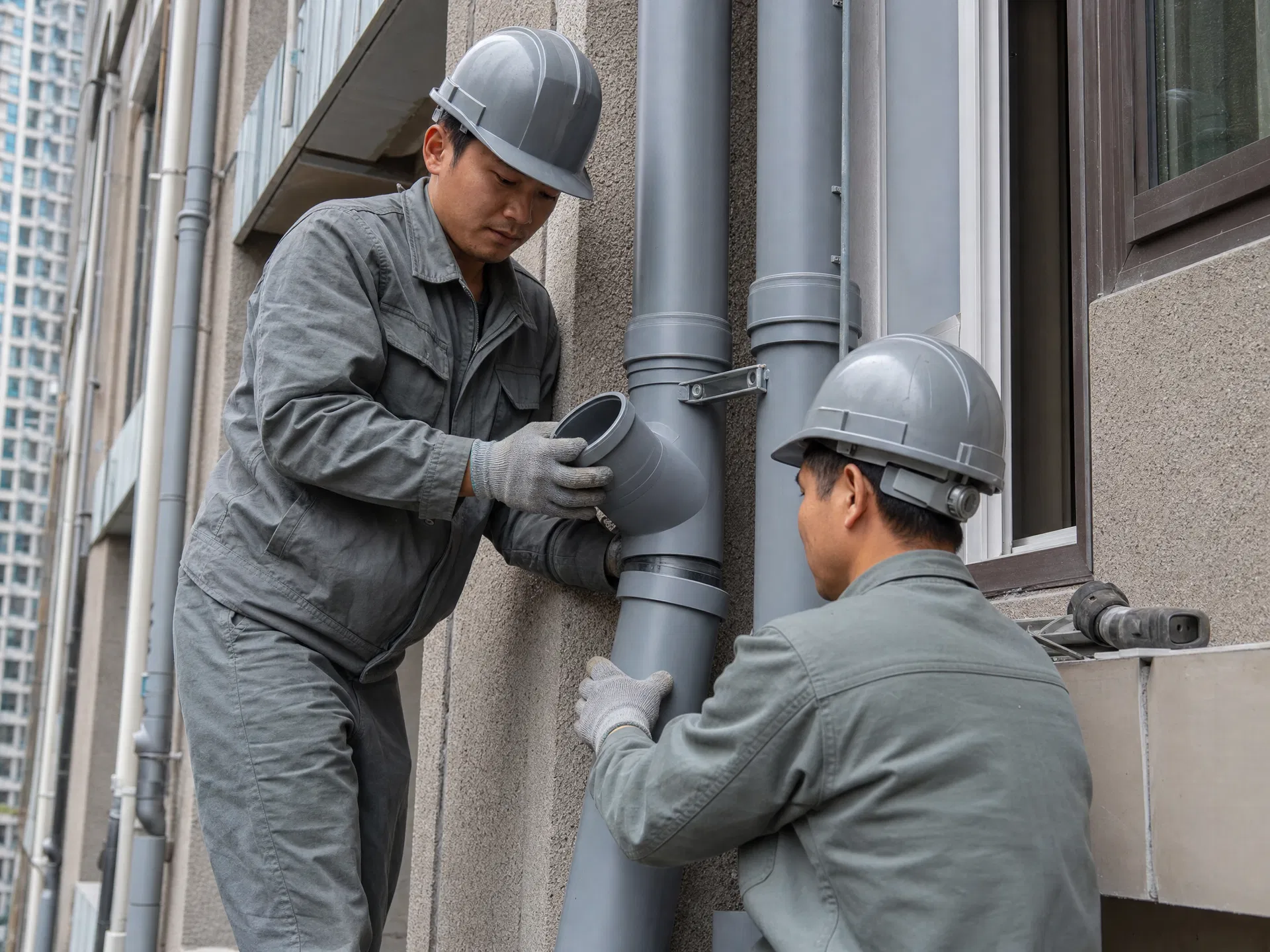
Building drain maintenance is a critical component for safeguarding property safety and public hygiene, requiring the owners' corporation and property management office to establish regular inspection routines to prevent severe blockages. Communal drainage pipes in residential and commercial buildings constantly withstand debris and grease discharged by various occupants, making them prone to water seepage or unpleasant odors if systematic upkeep is neglected. This guide provides an in-depth analysis of daily management standards, safety boundaries, and standard troubleshooting steps for building drainage networks. Readers should note that this information is for general reference only, and actual repairs must be entrusted to qualified contractors.
Before initiating any drainage system assessment, relevant responsible parties must clearly identify safety boundaries and division of responsibilities across the entire property. Communal sewage pipes and main horizontal stacks fall under the maintenance scope of the corporation and management office, whereas individual branch pipes inside private units remain the primary responsibility of individual owners. If damage, structural cracks, or massive backflow is detected in the exterior main stack of the building, unauthorized repair work by unlicensed handymen is strictly prohibited to avoid breaching deed covenants or triggering complex legal disputes. Proper planning for property drainage upkeep effectively extends pipeline lifespan, minimizes operational risks, and reduces long-term maintenance costs for all stakeholders involved.
Furthermore, establishing a proactive maintenance schedule helps detect minor anomalies before they escalate into costly emergencies. Management offices should coordinate professional engineering inspections on a semi-annual basis, focusing on vulnerable joints, bends, and underground drainage chambers. Documenting historical maintenance activities ensures transparency and provides valuable baseline data for future engineering evaluations or statutory compliance reviews conducted by relevant government authorities.
How Does Office Repair Relate to Communal Building Drainage Systems?
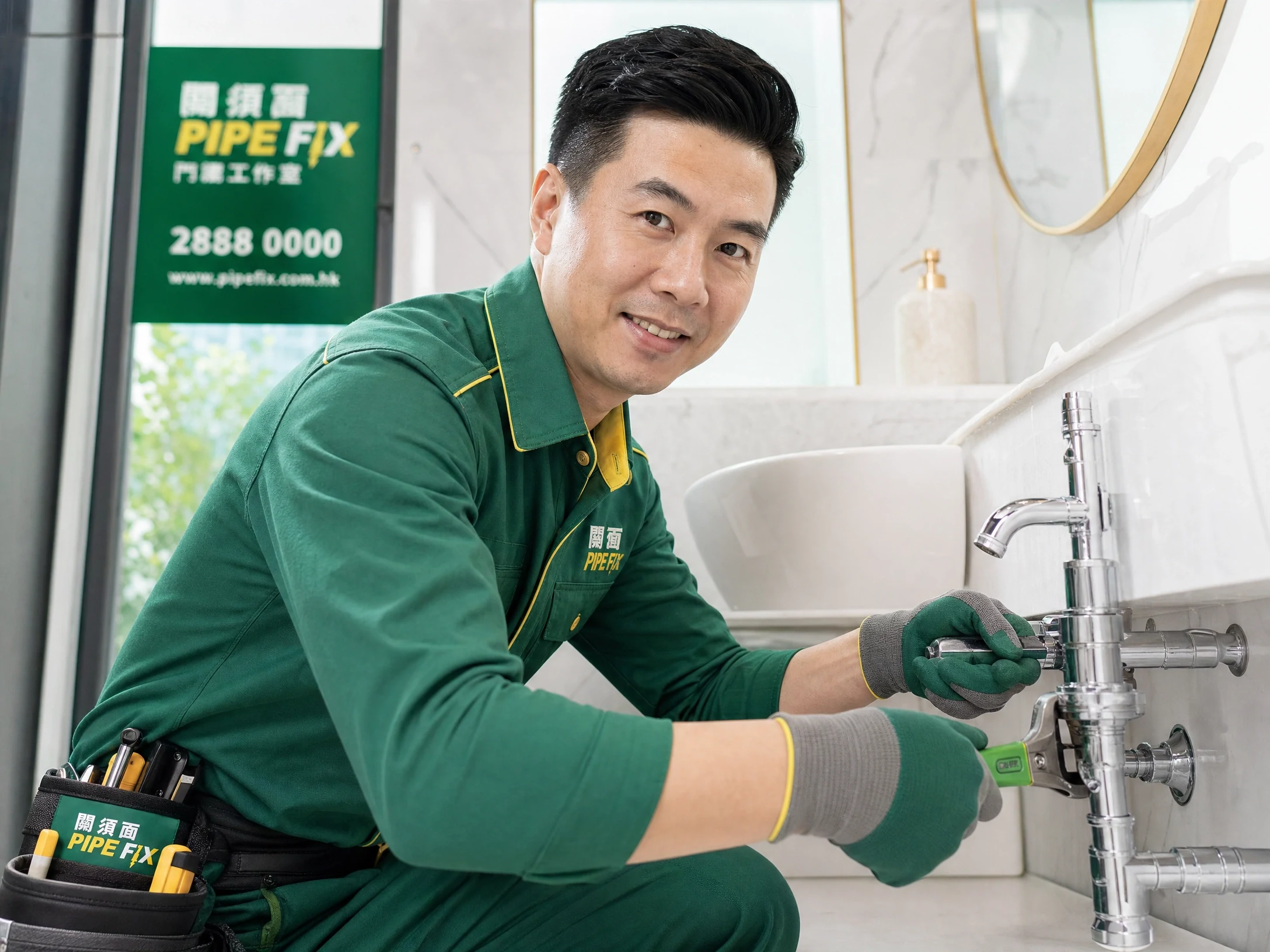
Office repair operations in commercial properties often involve complex drainage and air conditioning condensate connections, which must be handled properly to avoid adversely affecting the building's main stacks. Frequent use of pantries and restrooms within modern corporate offices accelerates the risk of pipe blockages, necessitating close communication between commercial tenants and property management offices. When pantry sinks exhibit slow drainage or unusual odors, occupants should first inspect the U-trap for accumulated tea dregs, food particles, or debris, avoiding the arbitrary pouring of chemical corrosive agents that might damage aging plumbing infrastructure. Through standardized daily upkeep, commercial floors can significantly mitigate the crisis of sudden water leakage and business interruption.
For commercial office buildings, daily commercial facility maintenance activities also encompass regular inspections of ceiling drainage pipes, floor drainage outlets, and condensate lines from climate control systems. If tenants privately alter the original drainage configuration or plumbing slopes during interior renovation projects, it easily disrupts the hydraulic balance of the entire building and causes unexpected water seepage to commercial units located directly below. Management offices should actively review commercial decoration plans to ensure all drainage slopes and connections fully comply with relevant Buildings Department codes and professional engineering standards. When encountering drainage anomalies that cannot be resolved independently, qualified professional technicians should be contacted immediately for comprehensive endoscopic testing and remediation.
In addition to individual office units, shared common facilities such as communal washrooms and cafeteria drainage systems require rigorous oversight. Implementing a structured reporting protocol ensures that any minor leakage or slow drainage is addressed promptly by certified maintenance personnel before structural damage occurs. Building administrators must also maintain clear records of all service requests, repairs, and inspections to facilitate transparent communication with property owners and regulatory bodies.
How Does Restaurant Equipment Repair Prevent Grease Blockages in Building Main Stacks?
Within restaurant equipment repair, the daily cleaning and maintenance of grease traps serve as the critical defense line preventing severe blockages in main building drains. Animal fats and cooking oils generated by the bustling catering industry, if directly discharged into drainage pipes without adequate separation, solidify rapidly upon cooling and adhere stubbornly to pipe walls, causing severe closures and wastewater overflow. Restaurant operators must strictly adhere to Environmental Protection Department and Buildings Department guidelines to regularly remove waste oil from grease interceptors and perform thorough physical cleaning. Any drainage modification engineering in commercial kitchens must comply with fire safety, hygiene, and building structural standards.
When addressing restaurant drainage issues, relying solely on chemical cleaning agents typically treats the symptoms rather than the root cause, necessitating a combination of mechanical clearance and regular commercial kitchen maintenance schedules. If grease trap capacity is inadequate, poorly maintained, or neglected over extended periods, contaminated wastewater will back up onto the kitchen floor and potentially affect residential units upstairs or neighboring retail shops. Official government guidelines clearly state that catering premises must properly maintain their internal drainage facilities and coordinate seamlessly with building management offices to ensure absolute safety and operational compliance. Through scientific catering equipment upkeep, catering merchants can maintain normal daily operations and avoid severe legal penalties or business suspension due to environmental pollution.
Moreover, restaurant management should train kitchen staff on proper waste disposal practices, ensuring that solid food waste and cooking oil residues are collected separately rather than washed down the sink. Installing advanced secondary filtration units and automated grease removal systems further enhances the reliability of the establishment's wastewater management system, protecting both the business and the wider building infrastructure from catastrophic drainage failures.
When Is Drain Unclogging Necessary During Severe Pipe Blockages?
When severe water accumulation occurs in kitchens or bathrooms and ordinary plungers prove ineffective, occupants and management should evaluate when professional plumbing clearance is required. Pipe blockages are typically caused by long-term accumulation of hair, grease, foreign objects, or pipe structural settlement, and blindly using strong chemical drain openers may corrode aging metal pipes and create hazardous fumes. Before deciding whether to engage professional technicians, one must verify whether the blockage is confined to a single unit branch or affects the building's communal stack, determining responsibility and the correct handling direction.
Common plumbing clearance methods in the market include manual plumbing snakes, negative pressure pumps, and chemical cleaners, but stubborn blockages require more advanced engineering techniques and specialized equipment. If the blockage expands to an entire floor or the entire building, excessive brute force tools should never be used independently to poke around, as this can cause pipe rupture and trigger extensive floor seepage. According to the Buildings Department drainage system maintenance guide, related plumbing systems should be regularly inspected by contractors possessing relevant professional qualifications to ensure unobstructed pipelines across all levels.
Professional drainage technicians employ diagnostic tools such as CCTV pipeline cameras to inspect the exact interior condition of the affected pipes, locating cracks, root intrusion, or heavy grease buildup accurately. This targeted diagnostic approach ensures that the chosen intervention method resolves the root cause efficiently without causing unnecessary disruption or damage to surrounding finishes and structural elements.
When Is High-Pressure Jetting the Optimal Solution?
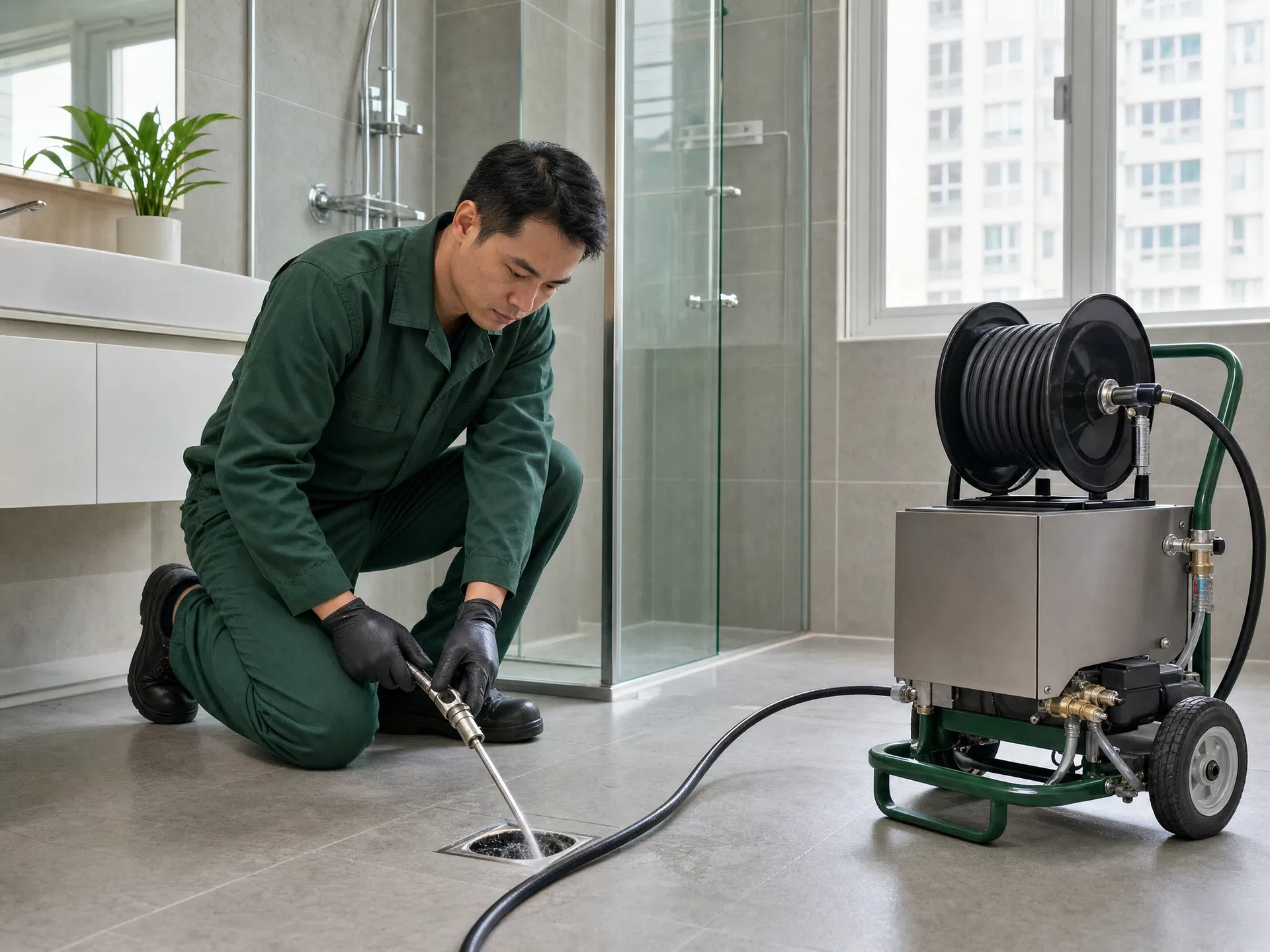
Water jetting is an advanced industrial-grade technique utilizing ultra-high-pressure water streams to scour stubborn attachments, hardened scale, and grease on the inner walls of pipelines. When building main horizontal stacks or primary restaurant sewage pipes face total closure due to years of accumulated grease and organic matter, high-pressure water jets completely eliminate wall impurities and restore full pipeline capacity. This non-destructive physical cleaning method does not damage metal or PVC pipe structures, serving as an indispensable component of modern large-scale property drainage maintenance.
The following comparison details common drainage system maintenance and cleaning methods, assisting property managers and owners in selecting the most appropriate engineering solution based on actual operational scenarios:
| Cleaning Method | Applicable Scenario | Primary Advantages | Important Considerations |
| --- | --- | --- | --- |
| Manual Plumbing Snake | Single unit branch pipes, localized minor hair or cloth clogs | Flexible operation, lower cost, suitable for narrow indoor spaces | Applicable only to near-end mild clogs; cannot thoroughly remove distant stubborn grease |
| Mechanical Rotary Machine | Medium-depth pipe blockages, root intrusion, or hardened debris | High cleaning capability, able to navigate multiple pipe bends | Requires skilled operation; improper handling may scratch interior walls of aging pipes |
| High-Pressure Jetting | Building main stacks, restaurant primary sewage pipes, severe grease clogs | Completely removes pipe wall grease, restores maximum flow velocity, no chemical corrosion | Requires professional technician operation; surrounding environment must be properly isolated during work |
When implementing drainage upkeep and related repair projects, property stakeholders are strongly advised to reference official government information and execute the following step-by-step checklist to ensure comprehensive safety and compliance:
- Regular Patrols: Inspect building rooftop rainwater hoppers, floor drainage channels, and public corridor drainage outlets monthly for debris blockages and accumulated sediment.
- Record Archiving: Properly retain historical drainage repair records, contractor license information, and government department correspondence for future reference.
- Professional Assessment: If unexplained wall water stains or persistent odors are detected, immediately engage qualified professionals for endoscopic testing and moisture detection.
- Resident Cooperation: Utilize informative notices and residents' meetings to remind occupants never to pour food waste, wet wipes, or construction debris into toilets or sinks.
Which service guide is most relevant to the next step?
Use the following service guides to understand the scope that best matches the issue before deciding whether an inspection or quotation is appropriate:
- reinstatement works hong kong: a focused guide to the scope, safety considerations and contact route for this type of issue.
- commercial repair hong kong: a focused guide to the scope, safety considerations and contact route for this type of issue.
- restaurant equipment repair hong kong: a focused guide to the scope, safety considerations and contact route for this type of issue.
- drain unblocking hong kong: a focused guide to the scope, safety considerations and contact route for this type of issue.
- high pressure drain jetting hong kong: a focused guide to the scope, safety considerations and contact route for this type of issue.
Official reference
Use the Housing Authority’s official guidance as a starting point when a housing, move-in or renovation decision affects a Hong Kong home.
About the author
FixNow Home Repair Editorial Team
Frequently asked questions
How is the maintenance responsibility for communal building drainage pipes divided?
According to deed covenants and Buildings Department guidelines, communal horizontal stacks connecting multiple units and exterior main stacks are generally coordinated and maintained by the owners' corporation and management office, while internal branch pipes within units are the responsibility of individual owners.
Can office drainage pipes be arbitrarily altered during interior renovation?
No. Arbitrarily altering original drainage slopes or connection positions during office renovation can easily disrupt the building's hydraulic balance and cause leakage. All commercial renovation plans and drainage modifications must comply with relevant Buildings Department codes and receive prior management approval.
How can restaurants effectively prevent grease accumulation from causing blockages in main building drains?
Restaurants must install and properly maintain compliant grease interceptors, regularly clearing waste oil and performing physical cleaning to avoid discharging animal fats directly into drainage pipes. Catering premises must also comply with Environmental Protection Department and Buildings Department regulations.
When is professional drain unclogging necessary instead of DIY handling?
When severe water accumulation occurs in kitchens or bathrooms, ordinary plungers or household chemicals fail, or blockages spread across the entire unit or building, DIY attempts should cease and qualified technicians should be engaged to prevent pipe rupture from improper tool use.
Will high-pressure jetting damage aging drainage pipelines in buildings?
High-pressure jetting utilizes non-destructive physical water stream cleaning operated by experienced technicians to precisely remove grease and hardened impurities without typically damaging structurally sound metal or PVC pipes. However, professional assessment of pipe aging and material should precede operations.
What measures can residents take in daily life to assist with building drain maintenance?
Residents should avoid pouring food waste, wet wipes, sanitary products, or construction debris into toilets or sinks, and regularly clear hair and debris from unit floor drains. Through good daily habits and active cooperation with corporation patrols, overall drainage system failure risks can be substantially reduced.