Electrical Safety Guide
Home Electrical Safety Hong Kong: Tripping, Leakage & Socket Installation
Published: 2026-08-17 · Updated: 2026-08-17 · 7 min read
TL;DR
Learn about home electrical safety, including causes of tripping, leakage risks, and precautions for adding sockets. FixNow offers professional electrical repair services. Use the practical checkpoints below to separate a low-risk next step from work that needs a qualified professional. Keep a written record of the scope, timing and any change agreed on site.
Quick decision checklist
| Situation | Safe first action | Before you book |
|---|---|---|
| Active leak, heat, burning smell or repeated tripping | Isolate the affected area only when safe | Describe the symptom, location and urgency in writing |
| Routine maintenance | Record model, age and last service | Confirm scope, consumables and warranty |
| Uncertain cause | Photograph the symptom and avoid repeated DIY attempts | Ask for diagnosis before approving replacement work |
Visual repair guide
With the humid weather in Hong Kong and the increasing number of household appliances, home electrical safety is a crucial issue that every family must prioritize. We often feel helpless when faced with sudden power outages, burning smells from sockets, or even electrical leakage. In fact, understanding basic electrical knowledge can significantly reduce the chances of accidents.
The electrical system is like the blood vessels of the human body, hidden inside the walls and usually unseen, but once a problem occurs, the consequences can be very serious. Today, the FixNow team will explain common home electrical issues in detail, including the causes of tripping, leakage risks, and precautions when adding sockets, ensuring you live safely and with peace of mind.
Why Does the Power Trip Suddenly? Uncovering Common Causes
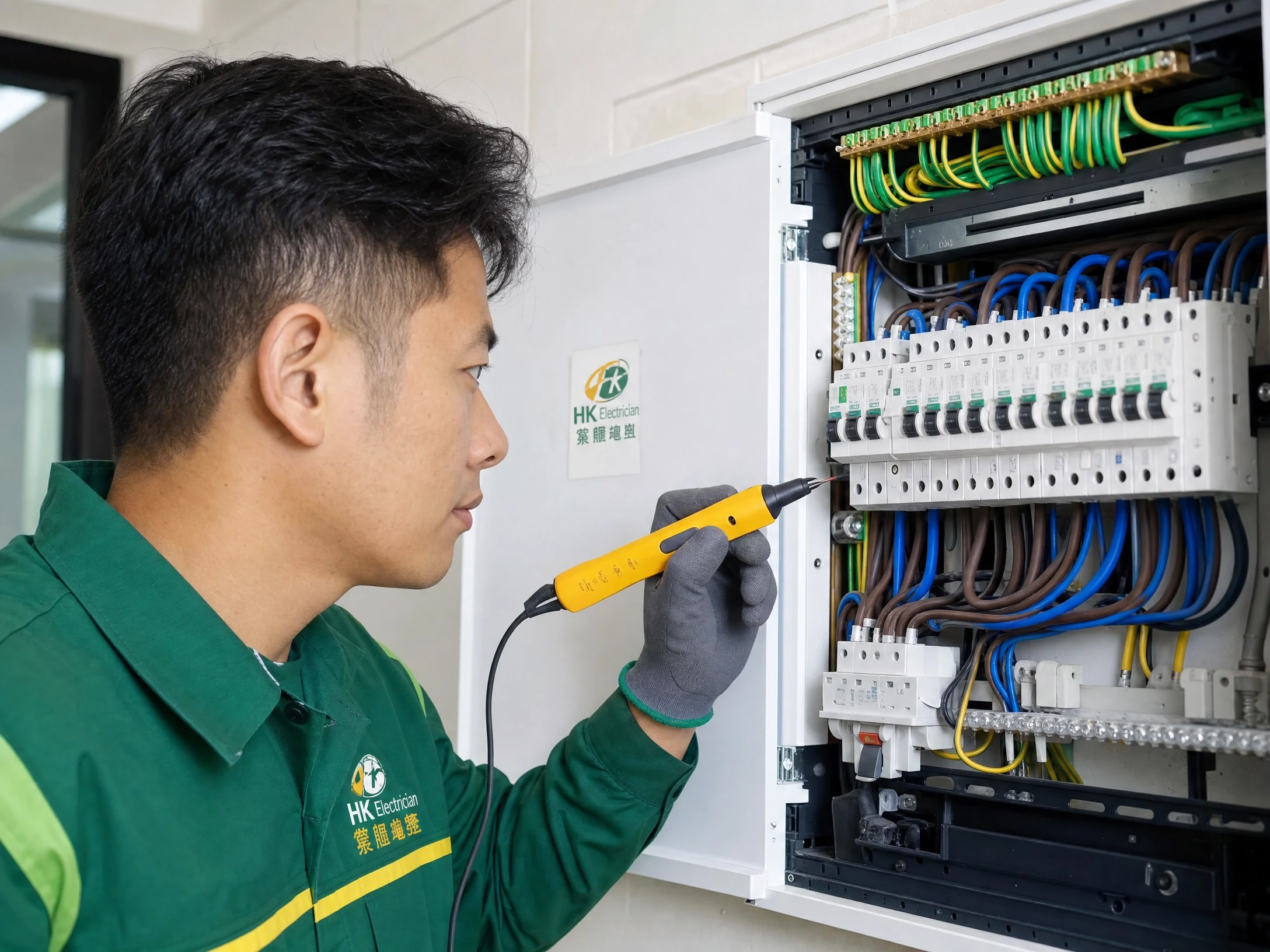
Many people have experienced a sudden power outage with a "click" sound when turning on the air conditioner or microwave. This situation is commonly known as tripping. Tripping is actually the Miniature Circuit Breaker (MCB) in the distribution board performing its protective function. When the circuit is overloaded or a short circuit occurs, the breaker automatically cuts off the power to prevent wires from overheating or causing a fire.
The most common cause of tripping is "overloading," which means plugging too many high-power appliances into the same socket or circuit simultaneously. For example, turning on a heater, induction cooker, and hair dryer together in winter causes the current demand to instantly exceed the wire's load limit, and the breaker will trip immediately. Another reason is aging appliances or internal short circuits, such as damaged wire insulation causing direct contact between the live and neutral wires.
If your home frequently experiences tripping, never force the breaker back on repeatedly, as this will keep the wires in a prolonged state of overheating, which can easily start a fire. The correct approach is to first unplug all high-power appliances and then try to reset the breaker. If power cannot be restored or it trips repeatedly, you should seek professional electrical repair services as soon as possible to identify the root cause.
Electrical Leakage Risks Cannot Be Ignored: How to Detect and Handle Early?
Electrical leakage is another highly dangerous home electrical issue. When the insulation of a wire is damaged or water enters an appliance, the current may flow out of the normal circuit, causing an electric shock if it comes into contact with the human body. The risk of leakage is especially high in damp areas like bathrooms and kitchens, as water is a good conductor of electricity.
To detect leakage early, you can pay attention to whether there is a slight tingling sensation when touching the appliance casing, or if there is abnormal heat and burning smell near the socket. Additionally, if you notice a sudden, unexplained spike in your electricity bill, it could be due to hidden wire leakage. According to the guidelines of the Electrical and Mechanical Services Department (EMSD), all home circuits should be equipped with a Residual Current Device (RCD). Once a minute leakage is detected, it will cut off the power in a fraction of a second to protect your family's lives.
If you suspect a leakage problem at home, you must not delay. First, stop using the relevant appliances immediately and turn off the main switch under safe conditions. Do not attempt to dismantle the appliance or socket yourself, as there is a constant risk of electric shock. You must seek professional help from a licensed electrician to conduct an insulation test using professional equipment to accurately locate and repair the leakage.
Precautions for Adding Sockets at Home: Safety First, Avoid Haphazard Wiring
As the number of smart devices and appliances at home increases, many people feel that there are not enough sockets and may even consider buying extension cords or haphazardly wiring to add sockets. However, random wiring hides significant safety hazards. If the thickness of the wire does not meet the specifications or the connection is poor, it can easily cause the wire to overheat and even start a fire.
Any socket addition work must be carried out by a registered electrical worker (licensed electrician). The technician will re-plan the circuit based on the total electrical load of your home to ensure that every newly added socket meets safety standards. For example, high-power appliances in the kitchen (such as ovens and induction cookers) usually require an independent circuit and cannot simply "borrow" power from other sockets.
Furthermore, the location of added sockets is also important. Sockets added in bathrooms must meet specific waterproof rating requirements and be kept away from water sources. Remember, electrical work is definitely not a DIY project. Risking safety to save a little money is absolutely not worth it. If you need to add sockets, it is best to plan all electrical points at once during a full house renovation or partial refurbishment.
Changing Lights and Daily Electrical Maintenance: DIY or Hire a Pro?
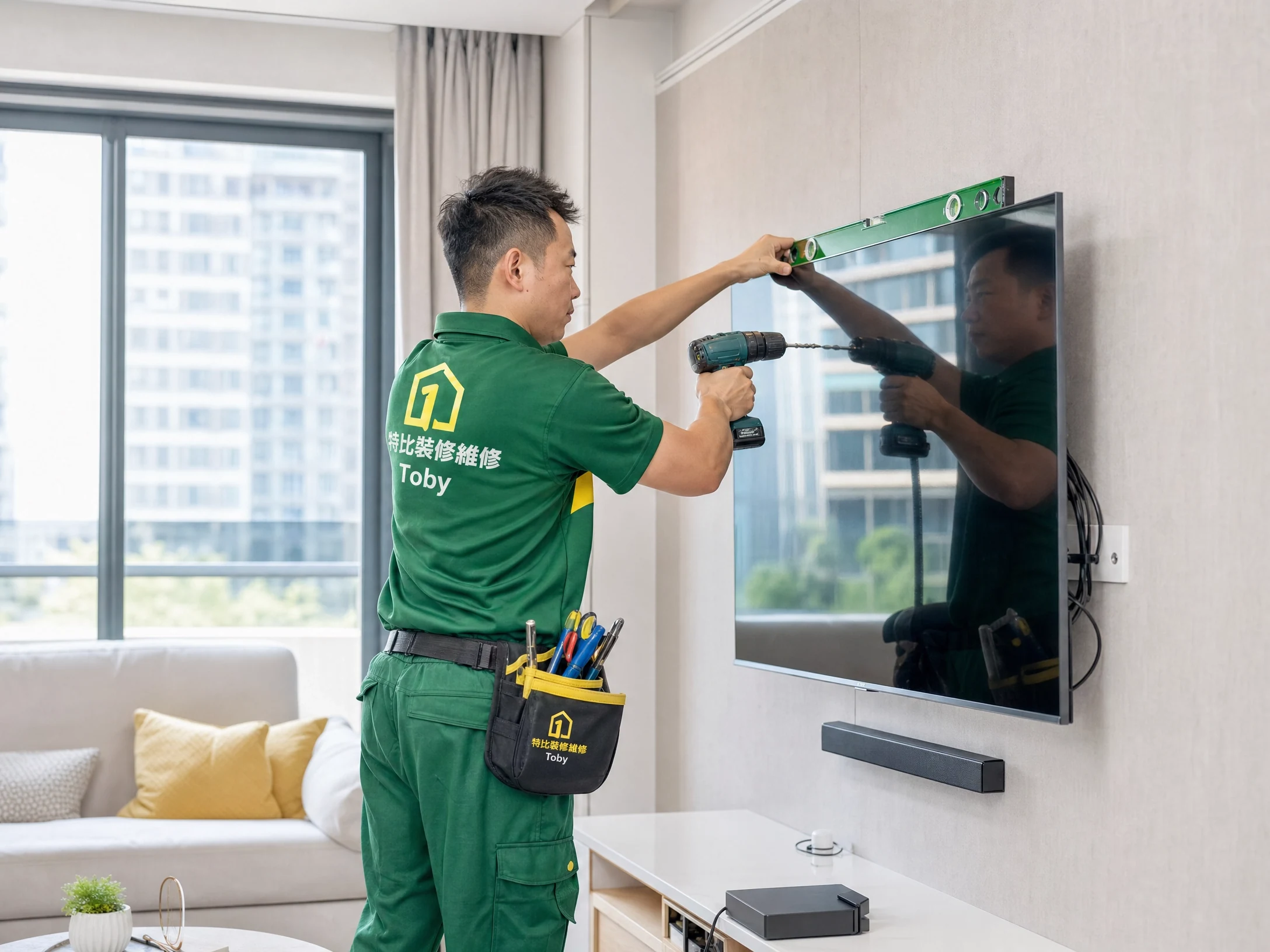
Some people may think that simple tasks like changing lights or fluorescent tubes can be done by simply buying a bulb and replacing it themselves. Although changing a light bulb seems simple, if it involves replacing the entire lighting fixture, altering wires, or installing ceiling lights, it falls under the scope of electrical work. Without the relevant professional knowledge and tools, it is easy to connect the wrong wires or cause a short circuit.
Especially with the currently popular LED strip lights or smart lighting fixtures, installation requires specific transformers and controllers, and the wiring method is much more complex than traditional lighting. Improper installation can result in flickering or non-functioning lights, or worse, burning out the transformer and causing a fire.
In fact, whether it is changing lights, repairing sockets, or handling other home electrical issues, the safest approach is to leave it to professional technicians. Professional technicians not only have complete testing equipment but can also help you check for other potential electrical hazards, ensuring the safety and stability of the entire home electrical system.
Comparison of Common Home Electrical Issues and Solutions
To give you a clearer understanding of the severity and solutions for different electrical issues, we have compiled the following comparison table for quick reference in case of emergencies:
| Electrical Issue | Common Causes | Danger Level | Recommended Solution |
|---|---|---|---|
| Frequent Tripping | Circuit overload, short circuit, aging breaker | Medium to High | Reduce simultaneous use of high-power appliances, seek professional inspection and breaker replacement |
| Electrical Leakage | Damaged insulation, water in appliance, poor grounding | Extremely High | Stop using immediately, cut off power, arrange emergency repair and insulation test |
| Socket Heating/Burning Smell | Poor contact, aging wires, overload | High | Unplug, turn off main switch, replace socket ASAP and check wiring |
| Flickering Lights | Aging bulb, unstable voltage, loose wiring | Low to Medium | Try replacing the bulb; if the problem persists, have a technician check the wiring |
What to Do in Case of an Emergency Electrical Failure?
If you encounter a sudden electrical failure in the middle of the night or during a holiday, such as a total power outage or severe leakage, the most important thing is to stay calm. First, ensure the safety of yourself and your family, and do not touch any appliances suspected of leakage or any standing water. Then, you can try to check the distribution board to see if only an individual circuit breaker has tripped.
If you cannot solve it yourself, or the situation is critical, you need to immediately find a professional team that provides 24-hour emergency repair services for help. FixNow's team of licensed electricians is always ready to solve various emergency electrical problems for you, equipped with professional testing instruments and repair tools to ensure your home returns to normal operation as soon as possible.
Whether you encounter tripping, leakage, or want to safely add sockets, FixNow can help! We provide professional and reliable home repair services with experienced licensed technicians and transparent pricing. Contact us immediately via WhatsApp at 9290 2652 to get a same-day on-site quote and safeguard your home's electrical safety!
Official reference
For Hong Kong electrical, gas and mechanical-safety guidance, consult the official EMSD resource before making a safety-critical decision.
About the author
The OmniFix Decoration × FixNow Editorial Team consists of seasoned renovation and repair experts with over 10 years of experience. We are dedicated to providing professional and practical home maintenance information for families across Hong Kong, covering electrical, plumbing, and various renovation projects to help you build a safe and comfortable home.
Frequently asked questions
Can I reset the tripped circuit breaker myself?
If it trips occasionally, you can try unplugging high-power appliances and resetting the breaker. However, if it trips repeatedly, it indicates a potential circuit problem. You must hire a licensed electrician for inspection and never force the breaker back on to avoid causing a fire.
How can I tell if there is an electrical leakage at home?
If you feel a slight tingling sensation when touching an appliance casing, notice abnormal heat or burning smells near sockets, or experience an unexplained spike in electricity bills, these could be signs of leakage. It is recommended to arrange for a professional insulation test as soon as possible.
How long does it take for a technician to add a socket?
The time required depends on the complexity of the work, such as whether surface or concealed wiring is needed. Generally, simple socket additions can be completed within half a day. We recommend contacting us via WhatsApp at 9290 2652 first to assess the situation and get a quote.