Comprehensive Flooring Tile Repair and Mud Work Guide
Comprehensive Flooring Tile Repair and Mud Work Guide
Published: 2026-08-15 · Updated: 2026-08-15 · 8 min read
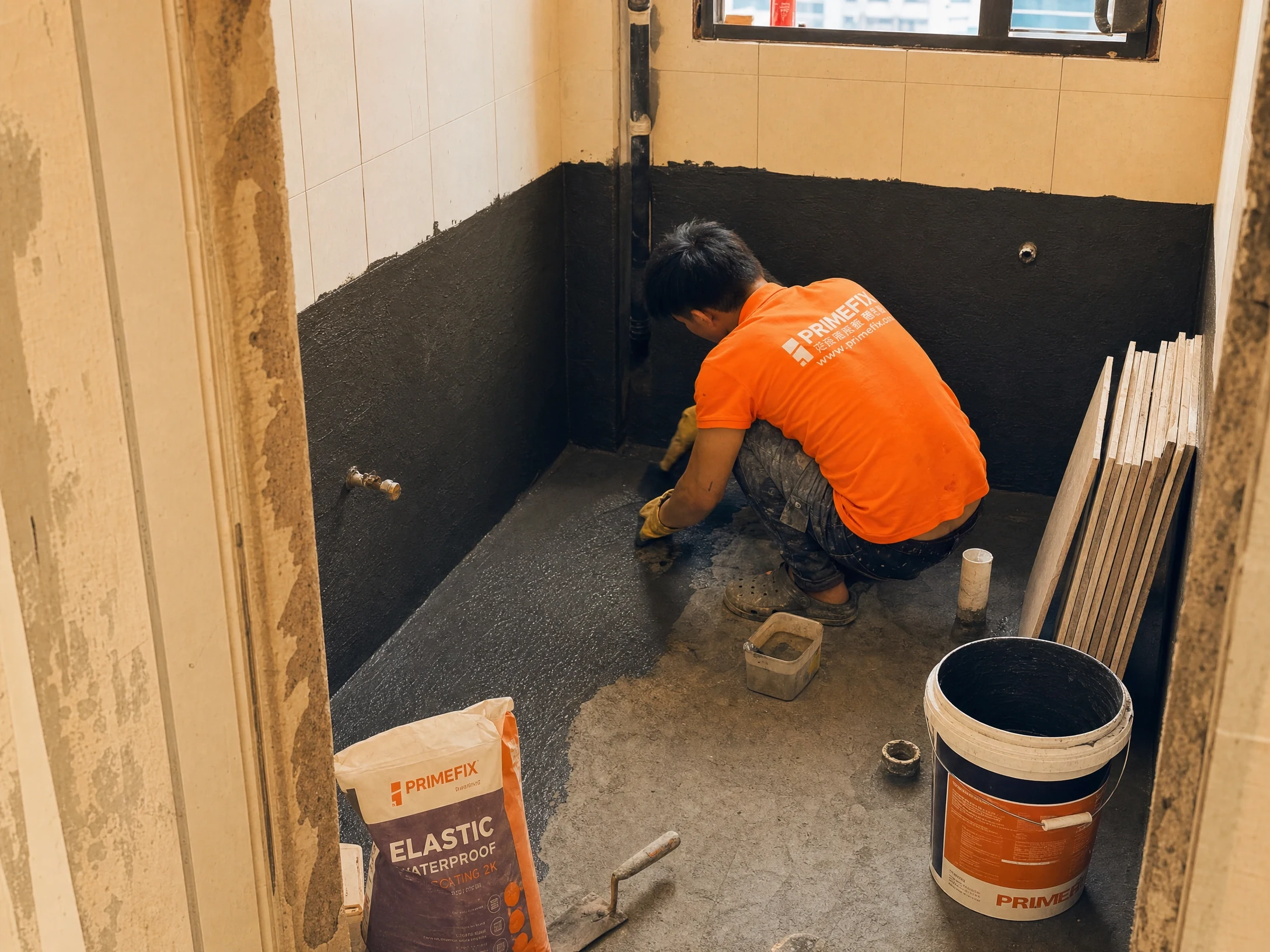
TL;DR
Discover how to fix flooring tile swelling, hollow tiles, and cracks in Hong Kong homes. Compare flooring installation and masonry work. Contact us today. Use the practical checkpoints below to separate a low-risk next step from work that needs a qualified professional. Keep a written record of the scope, timing and any change agreed on site.
Planning decision checklist
| Stage | Action today | Confirm before proceeding |
|---|---|---|
| Scope | Write down the outcome you need | What is included, excluded and contingent |
| Time | Set a realistic milestone sequence | Access, approvals and disruption constraints |
| Cost | Compare like-for-like quotations | Payment stage, variation process and warranty |
Visual repair guide
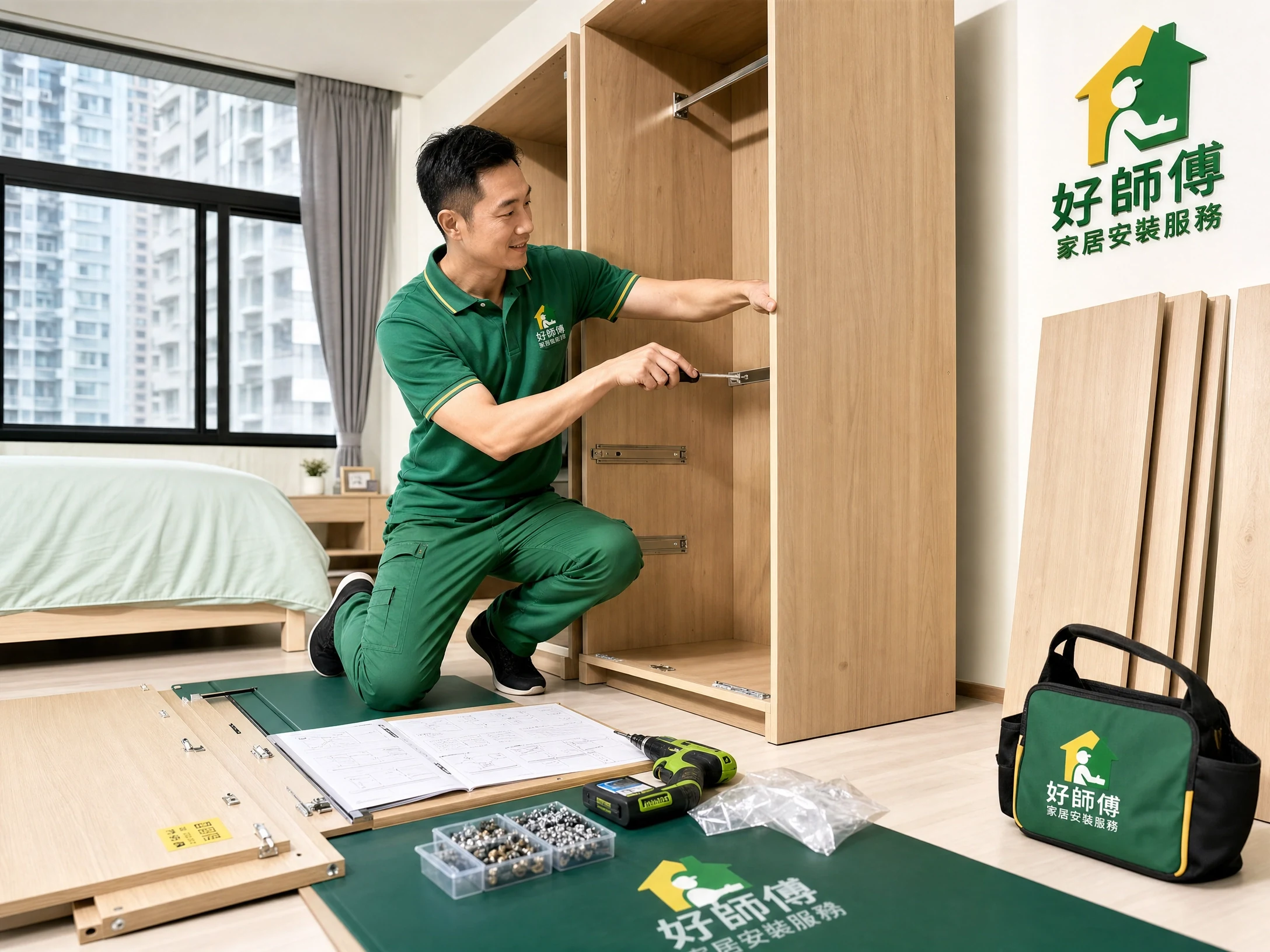
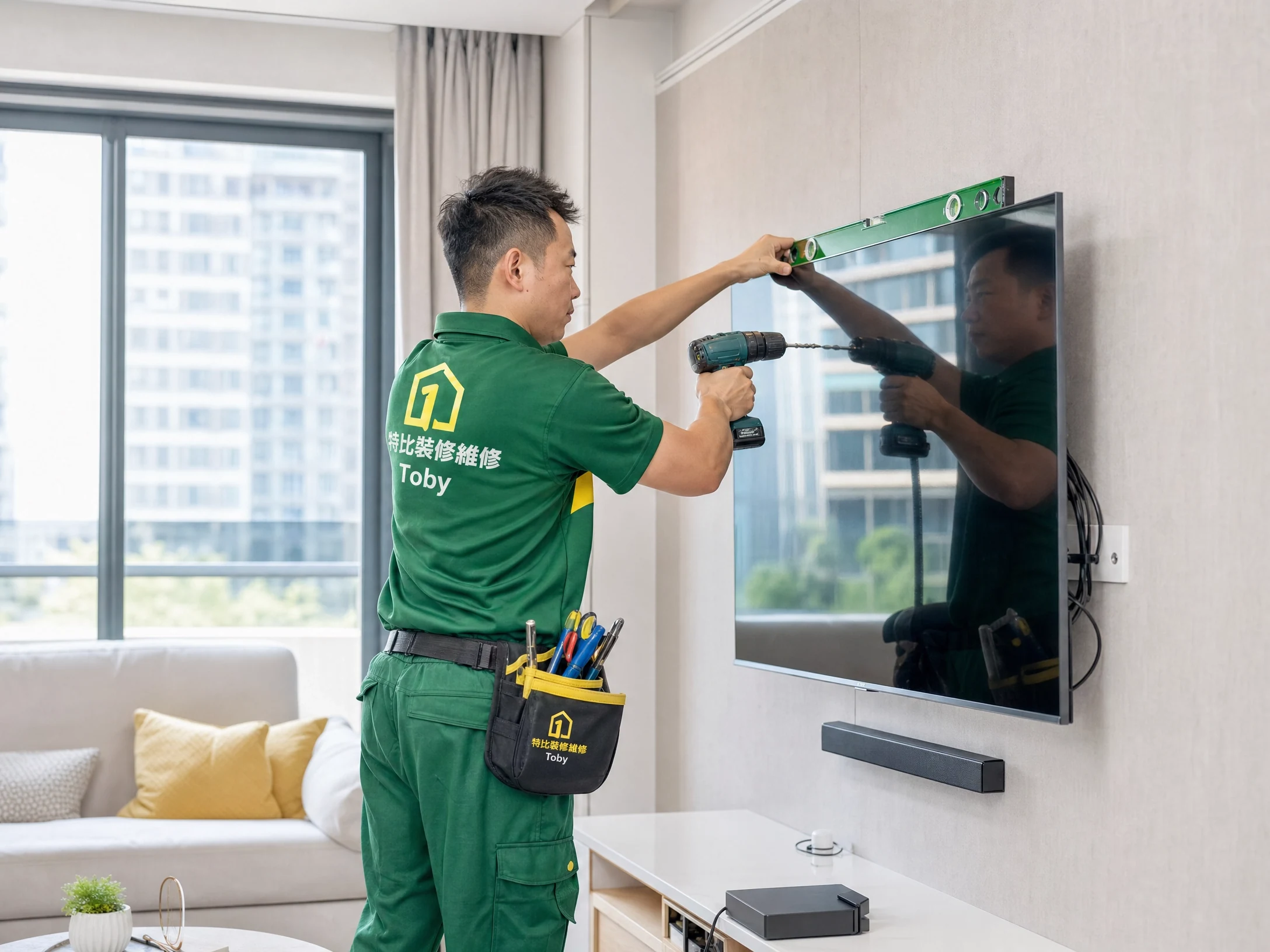
Hong Kong residential properties frequently encounter flooring tile swelling, hollow tiles, and surface cracks, often driven by high humidity, structural settlement, or underlying waterproofing failures. Addressing these issues safely requires strict adherence to safety boundaries without applying excessive force or unverified chemical solvents. This comprehensive guide examines root causes, repair sequences, comparative methods, and professional support triggers to help homeowners navigate complex maintenance decisions with total confidence, professional insight, and absolute clarity across all domestic property types throughout the territory.
Why Do Hong Kong Homes Experience Flooring Swelling and Hollow Tiles?
Hong Kong's humid subtropical climate maintains high indoor relative humidity levels throughout much of the year, acting as a primary environmental catalyst for wooden floor expansion and tile delamination. When wooden floors lack adequate expansion gaps or tiles are laid with insufficient mortar bonding, seasonal temperature fluctuations and persistent moisture induce severe material distortion and structural stress across domestic environments. Homeowners must remain vigilant regarding seasonal weather shifts, as unmitigated humidity can quickly transform minor surface imperfections into extensive structural problems that require professional intervention and specialized remediation.
Beyond climatic influences, minor structural settlements within residential buildings impose uneven mechanical stresses upon ground surfaces over extended periods. If micro-cracks exist within the concrete substrate, capillary action draws ambient moisture inward, widening hollow zones and accelerating tile swelling, which ultimately compromises everyday walking safety, aesthetic integrity, and structural soundness across domestic spaces. Regular inspection of floor surfaces can reveal early warning signs, allowing residents to take preventative measures before major defects emerge and escalate repair costs significantly.
During early stages of minor deformation, residents can manage environmental moisture by maintaining indoor ventilation and operating dehumidifiers continuously to reduce atmospheric vapor pressure. However, once tile displacement becomes pronounced or loose tiles proliferate across multiple rooms, simple physical adjustments fail to resolve the core issue, necessitating systematic engineering intervention and professional evaluation. Attempting temporary fixes on severe structural buckling can lead to sudden tile shattering and potential injuries, making professional assessment an essential step for household safety.
Furthermore, accumulated moisture trapped beneath flooring materials can foster mold growth and attract pests, posing hidden health hazards to occupants. Understanding the underlying physical mechanisms of tile hollows and wooden board buckling enables property owners to address symptoms before secondary damage spreads to partition walls, electrical conduits, or adjoining apartment units in multi-story buildings.
To mitigate long-term risks, building occupants should also inspect peripheral areas such as balconies and kitchen thresholds where water ingress frequently originates. Establishing proactive monitoring routines ensures that minor discrepancies are identified and resolved before compounding into major structural rehabilitation projects.
In addition to environmental and structural factors, daily wear and tear from heavy foot traffic, moving furniture, and impact shocks can weaken adhesive bonds over time. Recognizing these cumulative stresses helps homeowners adopt preventive habits, such as using protective furniture pads and maintaining consistent indoor climate controls, thereby extending the lifespan of installed flooring materials across all residential zones.
Furthermore, understanding local building characteristics across Hong Kong housing estates—ranging from older tenement buildings to modern private developments—helps residents anticipate specific maintenance challenges. Older structures often feature settling foundations and aging pipe networks that accelerate subfloor dampness, whereas newer developments may experience thermal expansion issues due to tightly sealed interior environments with limited natural airflow.
How Do Flooring Installation and Masonry Work Differ During Repairs?
When ground deterioration necessitates comprehensive renovation, selecting the appropriate trade craft is vital for long-term durability and structural safety. For damaged wooden or laminate flooring, professional flooring installation is required, involving precise measurements, material cutting, and expansion margin preservation to prevent future moisture warping and buckling under tropical conditions. Skilled craftsmen ensure that every plank aligns correctly with existing architectural features while maintaining necessary perimeter clearances to accommodate natural thermal movement.
Conversely, detached tiles and hollow subfloors fall strictly under masonry work. This specialized trade entails thoroughly stripping old mortar bases, re-leveling uneven substrates, and securing new tiles with appropriate bonding adhesives, ensuring a solid foundation that withstands heavy domestic traffic and prevents recurrent detachment. Professional masons evaluate subfloor moisture levels before applying adhesives, guaranteeing optimal adhesion and preventing trapped vapor from causing future tile delamination and cracking across tiled surfaces.
The following detailed comparison outlines the scope, core execution steps, and maintenance requirements for flooring work, tiling work, and surface finishes to guide your engineering decisions effectively and economically:
| Craft Name | Primary Application Scope | Core Execution Steps | Precautions & Environmental Standards |
| --- | --- | --- | --- |
| Flooring Work | Wooden floors, laminate, engineered boards | Measuring dimensions, laying moisture barriers, interlocking assembly | Leave expansion gaps to prevent moisture swelling |
| Tiling Work | Tile bonding, floor leveling, mortar repair | Stripping base, re-plastering, laying tiles, grouting | Ensure dry substrates to prevent hollow recurrence |
| Surface Finish | Wall patching, skirting detailing, surface refresh | Surface cleaning, puttying, sanding, priming and topcoating | Choose low-VOC paints to maintain indoor air quality |
To maintain high engineering quality, residents should consult official government guidelines during renovation planning and contractor selection. According to GovHK home maintenance tips, diligent routine care and hiring qualified contractors are vital for safeguarding residential safety and property value across Hong Kong properties. Official resources provide invaluable frameworks for selecting accredited professionals and adhering to statutory building maintenance standards without compromising domestic security.
How Should Localized Tile Cracks and Wall Seepage Be Investigated?
Ground defects frequently correlate with wall or subfloor water seepage. When discovering localized tile cracking or damp skirting, residents must avoid merely replacing surface tiles without first investigating potential plumbing leaks or compromised waterproofing membranes, preventing recurring damage and extensive structural decay over time. Identifying the true origin of moisture requires systematic diagnostic procedures rather than superficial cosmetic patching that conceals underlying defects.
According to Buildings Department water seepage FAQs, seepage sources in kitchens and bathrooms are complex, involving supply pipes, drainage lines, and floor waterproofing. Residents should observe stain expansion patterns and utilize professional diagnostic tools rather than relying on unverified remedies or guesswork. Engaging qualified specialists ensures that hidden pipe leaks or membrane failures are accurately located and rectified according to established regulatory protocols and engineering best practices.
Simultaneously, if surrounding walls or floors suffer collateral damage, coordinating partial painting is necessary to restore affected surfaces. Never rush surface decoration before resolving the root cause, as new finishes will quickly deteriorate under residual moisture and hidden dampness. A methodical approach guarantees that all underlying defects are fully mitigated before cosmetic restoration commences, ensuring long-lasting aesthetic and structural results.
What Role Do Carpentry Work and Waterproofing Work Play in Ground Renovation?
Comprehensive floor repairs extend beyond surface laying, frequently integrating carpentry work and waterproofing work. For instance, replacing wooden flooring often demands precise carpentry adjustments for door frames, floor transitions, and skirting boards to maintain seamless visual integration and functional alignment. Professional carpenters ensure that wood components accommodate natural thermal expansion without binding or warping during seasonal climate transitions.
For wet zones such as bathrooms, kitchens, and window perimeters, specialized barrier installation serves as an indispensable defense line. If protective membranes age and fail, moisture infiltrates structural reinforcing bars, creating severe building safety hazards that require expert remediation and rigorous testing. Implementing robust protective layers protects the entire building structure from progressive water damage and costly secondary repairs over the long term.
The following list outlines standard execution steps for residential floor and structural repairs to guide homeowners through professional project management:
1. Inspect and record damaged and hollow floor extents, photographing findings for professional review and insurance documentation.
2. Shut off relevant water or power supplies in the work zone to ensure personal safety during investigation and execution.
3. Engage qualified contractors to conduct seepage tests and structural assessments, confirming potential waterproofing or plumbing faults.
4. Formulate repair plans based on professional reports, executing flooring installation or masonry work thoroughly and methodically.
5. Complete main construction by executing wall detailing, surface finishing, and structural adjustments for aesthetic and functional harmony.
When Must You Stop DIY and Seek Professional Assistance?
Although minor furniture adjustments or small-scale cleaning can be handled independently by residents, structural floor swelling, widespread tile delamination, and moisture-induced electrical risks strictly exceed DIY safety boundaries, requiring professional intervention without delay or hesitation. Recognizing personal limitations in home maintenance prevents accidental injuries and avoids worsening existing structural defects across residential properties.
When noticing floor elevation exceeding one centimeter, hollow acoustic feedback across multiple tiles, or accompanying wall dampness, residents must immediately halt self-repair attempts and engage experienced professional repair teams to prevent catastrophic structural failure and personal injury. Timely professional intervention mitigates risks and restores domestic safety effectively according to established industry standards.
Seeking professional assistance ensures compliance with Buildings Department and Electrical and Mechanical Services Department safety standards, preventing escalated repair expenses and structural deterioration while securing long-term peace of mind for every household member. Professional oversight guarantees that all maintenance work adheres to rigorous industry benchmarks and legal requirements, protecting both property value and occupant safety.
Which service guide is most relevant to the next step?
Use the following service guides to understand the scope that best matches the issue before deciding whether an inspection or quotation is appropriate:
- flooring installation hong kong: a focused guide to the scope, safety considerations and contact route for this type of issue.
- tiling service hong kong: a focused guide to the scope, safety considerations and contact route for this type of issue.
- painting service hong kong: a focused guide to the scope, safety considerations and contact route for this type of issue.
- carpentry hong kong: a focused guide to the scope, safety considerations and contact route for this type of issue.
- waterproofing hong kong: a focused guide to the scope, safety considerations and contact route for this type of issue.
Official reference
Use the Housing Authority’s official guidance as a starting point when a housing, move-in or renovation decision affects a Hong Kong home.
About the author
FixNow Home Repair Editorial Team
Frequently asked questions
Why do home floor tiles suddenly develop hollow sounds or swelling?
Tile delamination or swelling is typically caused by high humidity and temperature fluctuations in Hong Kong, combined with inadequate mortar bonding or missing expansion joints during installation.
What are the main differences between flooring installation and masonry work during repairs?
Flooring installation focuses on wooden and laminate board assembly and moisture barriers, whereas masonry work addresses detached tiles and subfloor leveling, requiring base stripping and re-plastering.
Can residents purchase materials and replace cracked tiles independently?
If damage is extremely minor and unassociated with structural substrates, simple patching is possible. However, widespread hollows or seepage require professional evaluation as DIY cannot resolve underlying structural faults.
Do floor repairs require coordination with partial painting or carpentry work?
Yes, replacing flooring or tiles frequently affects skirting, door frames, and surrounding walls, necessitating coordinated carpentry work and partial painting for seamless finishing.
How can one determine whether floor issues are caused by water seepage?
If floors remain persistently damp, moldy, or accompanied by wall stains, plumbing leaks or failed waterproofing are likely. Consulting Buildings Department guidelines and conducting professional seepage tests is advised.
How can residents prevent floor and tile damage during daily life?
Residents should maintain indoor ventilation and humidity control, periodically check plumbing and window waterproofing, prevent heavy impacts on floors, and follow GovHK home maintenance tips for routine care.