Home Wellness
Home Wellness and Personal Care: Complete Guide to a Comfortable Living Space
Published: 2026-07-08 · Updated: 2026-07-20 · 4 min read
TL;DR
Home wellness and personal care guide: create a comfortable living space with tips on air quality, water quality, and hair care. Use the practical checkpoints below to separate a low-risk next step from work that needs a qualified professional. Keep a written record of the scope, timing and any change agreed on site.
Planning decision checklist
| Stage | Action today | Confirm before proceeding |
|---|---|---|
| Scope | Write down the outcome you need | What is included, excluded and contingent |
| Time | Set a realistic milestone sequence | Access, approvals and disruption constraints |
| Cost | Compare like-for-like quotations | Payment stage, variation process and warranty |
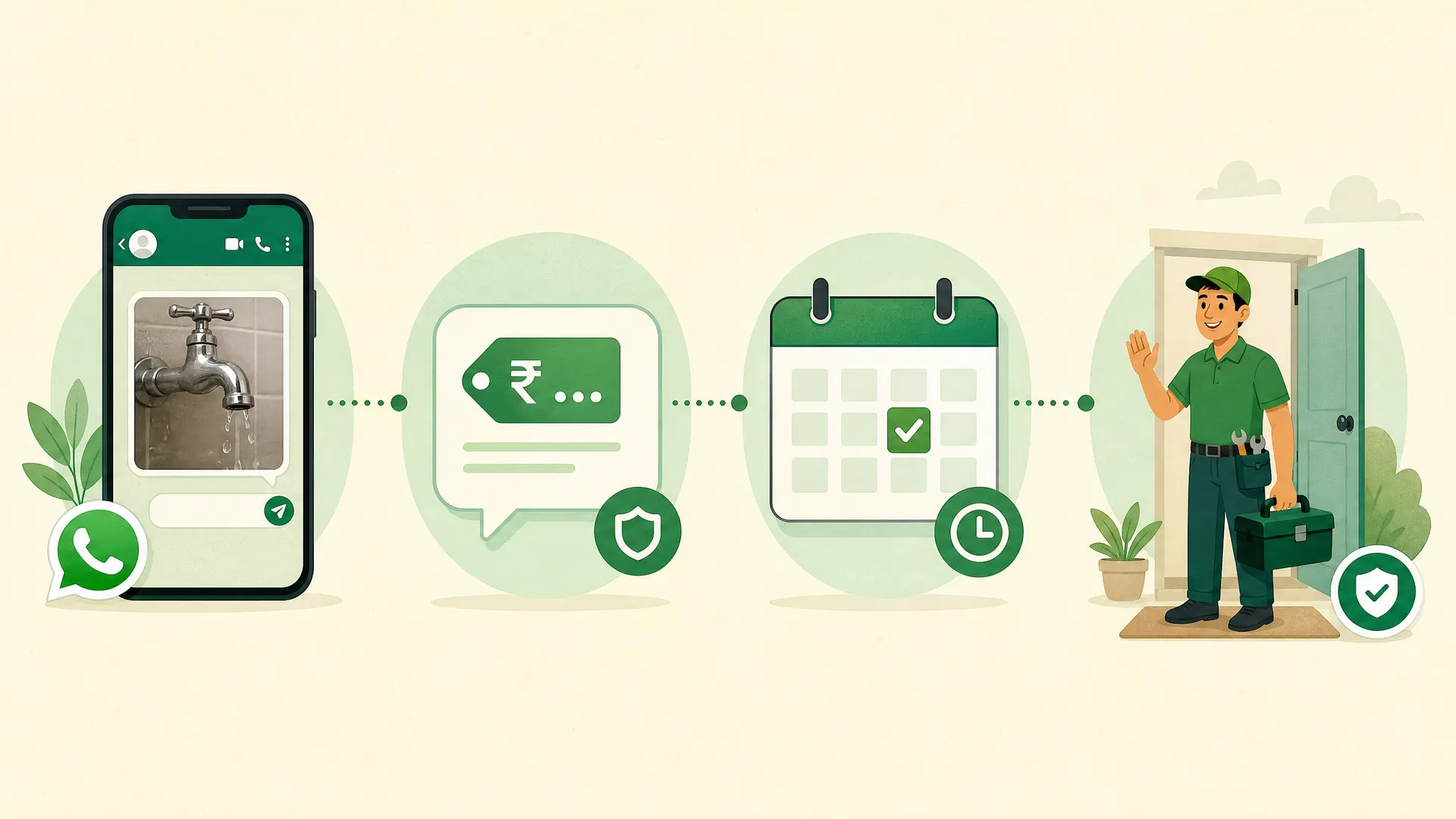
Visual repair guide

The Relationship Between Home Environment and Personal Health
We spend significant time at home, and the quality of our home environment directly affects physical and mental health. From air quality, humidity control, to noise management — every element is closely related to our quality of life. Similarly, personal care habits are an important part of maintaining a healthy lifestyle. This article explores the relationship between home maintenance and personal care, helping you create a comfortable living space inside and out.
Home Humidity and Scalp Health
Hong Kong's humid climate directly affects scalp health. Excessive indoor humidity breeds mould, affecting air quality and potentially causing scalp issues. Keep indoor humidity between 50-60% using dehumidifiers and regular air conditioning cleaning. If you experience frequent scalp itching or dandruff, besides improving your home environment, consider professional scalp care. Learning proper scalp care knowledge helps you better care for your scalp health in daily life.
Home Water Quality and Hair Health
Hong Kong's tap water contains chlorine and minerals that can make hair dry and rough over time. Install a shower filter to reduce chlorine damage. Water temperature matters too — too hot stimulates the scalp and increases oil production. Use 37-40°C warm water. If your hair is already damaged from water quality, consider ionic straightening to repair cuticles and restore smoothness.
Home Care for Different Hair Types
Everyone's hair type is different, requiring different care approaches. Those with curly hair can learn about wool perm / natural curl maintenance to maintain curl definition and shine at home. For Japanese-style looks, Japanese perm creates natural volume that's relatively easy to maintain. For those seeking straight, smooth hair, Paimore straightening is a damage-free option.
Men's Home Image Management
Men's image management is equally important. A suitable hairstyle significantly boosts confidence and professional image. For a subtle wavy look, men's micro perm creates natural texture without being too dramatic. For women with shorter hair wanting more dimension, short hair perm adds vitality and movement.
Natural Hair Care Options
More people are paying attention to hair product ingredients, seeking natural and eco-friendly options. Henna plant dye is an excellent natural colouring choice, using plant extracts to colour hair while providing conditioning benefits, suitable for those sensitive to chemical dyes. At home, choose natural-ingredient wash and care products to reduce chemical irritation to the scalp.
Creating a Relaxation Corner at Home
Setting up a dedicated relaxation corner at home helps find balance in busy life. It could be a comfortable chair with soft lighting, or a spa corner in the bathroom. Regular scalp massage, hair masks, or simple meditation can effectively relieve stress and improve quality of life.
Conclusion
Home maintenance and personal care complement each other. A clean, comfortable home environment supports physical and mental health, while good personal care habits radiate confidence from within. Investing in your home environment and personal care is the best way to treat yourself.
Ergonomic Layout Planning for Compact Hong Kong Homes Creating a wellness-oriented personal care space in a typical Hong Kong apartment requires careful consideration of spatial constraints and daily ergonomics. Many homeowners overlook how poor furniture placement or cramped bathroom layouts can induce physical strain over time. When planning your renovation, prioritize traffic flow around personal care zones, such as vanity areas and wellness corners, ensuring at least standard clearance for bending and reaching. Selecting wall-mounted storage solutions and modular cabinetry helps free up floor space, reducing visual clutter that contributes to daily psychological fatigue. During initial site meetings with your contractor, map out exact clearance dimensions using painter's tape on the raw floor to verify that movement remains unhindered before carpentry production begins. Establishing these physical checkpoints early prevents costly rework and ensures optimal daily usability across compact layouts. ### Ventilation and Air Quality Control During Renovations Indoor air quality plays a fundamental role in home wellness, particularly in densely populated urban environments where windows are often kept closed for air conditioning. During and after renovation works, trapped volatile organic compounds from paints, adhesives, and new carpentry can severely impact respiratory health. Contractors should be instructed to use low-emission materials, and homeowners must establish a strict post-renovation ventilation schedule lasting at least two to four weeks. Additionally, integrating ducted or split-type ventilation fans and dedicated air purification drop-ins into your false ceiling design ensures continuous air exchange without compromising interior aesthetics. Document all ventilation requirements explicitly in your project communication log to prevent any shortcuts on site and safeguard your family's long-term well-being and respiratory health. ### Common Pitfalls in Lighting and Water System Upgrades Upgrading lighting and plumbing fixtures for personal care often suffers from inadequate coordination between electricians and plumbers. A frequent mistake is installing harsh, glaring overhead lighting in bathrooms and vanity areas instead of layered, diffused task lighting that reduces eye strain during grooming and skincare routines. On the plumbing front, failing to inspect incoming building water pressure before installing advanced multi-stage filtration or instant hot water systems can lead to inadequate flow rates or equipment malfunction. Always request a written site inspection record from your contractor confirming that pipe junctions and electrical loads match your chosen wellness appliance specifications before final installation commences across your home. <!-- P2-CONTENT-EXPANSION -->
Official reference
Use the Housing Authority’s official guidance as a starting point when a housing, move-in or renovation decision affects a Hong Kong home.
About the author
OmniFix Living Editorial Team
Frequently asked questions
What's the normal home humidity level?
Ideal indoor humidity is 50-60%. Below 40% causes dry skin and scalp, above 70% breeds mould. Purchase a hygrometer to monitor and use dehumidifiers or humidifiers to regulate.
Are shower filters really effective?
Yes. Shower filters remove chlorine, heavy metals, and impurities from water, reducing irritation to hair and skin. Especially if you notice dry hair or itchy scalp after washing, installing a filter usually shows noticeable improvement.
How often should pillowcases be changed?
Change pillowcases weekly. They accumulate oil, sweat, and dead skin cells — not changing regularly affects skin and scalp health. If you have acne or scalp issues, consider changing every 3-4 days.
Are natural shampoos really better?
Depends on individual needs. Natural shampoos typically don't contain sulfates (SLS/SLES), causing less scalp irritation, suitable for sensitive scalps. However, cleansing power may be slightly weaker — oily scalps may need double washing. Choose based on your scalp condition.
How to reduce formaldehyde at home?
Main methods: maintain ventilation (open windows at least 30 minutes daily), place activated carbon or air-purifying plants (snake plant, spider plant), use air purifiers (with HEPA filters), choose low-formaldehyde furniture and materials. Newly renovated homes should ventilate for at least 2-4 weeks before moving in.