Kitchen Sink Drain Smell and Drainage Maintenance Guide in Hong Kong
Kitchen Sink Drain Smell and Drainage Maintenance Guide in Hong Kong
Published: 2026-08-15 · Updated: 2026-08-15 · 8 min read
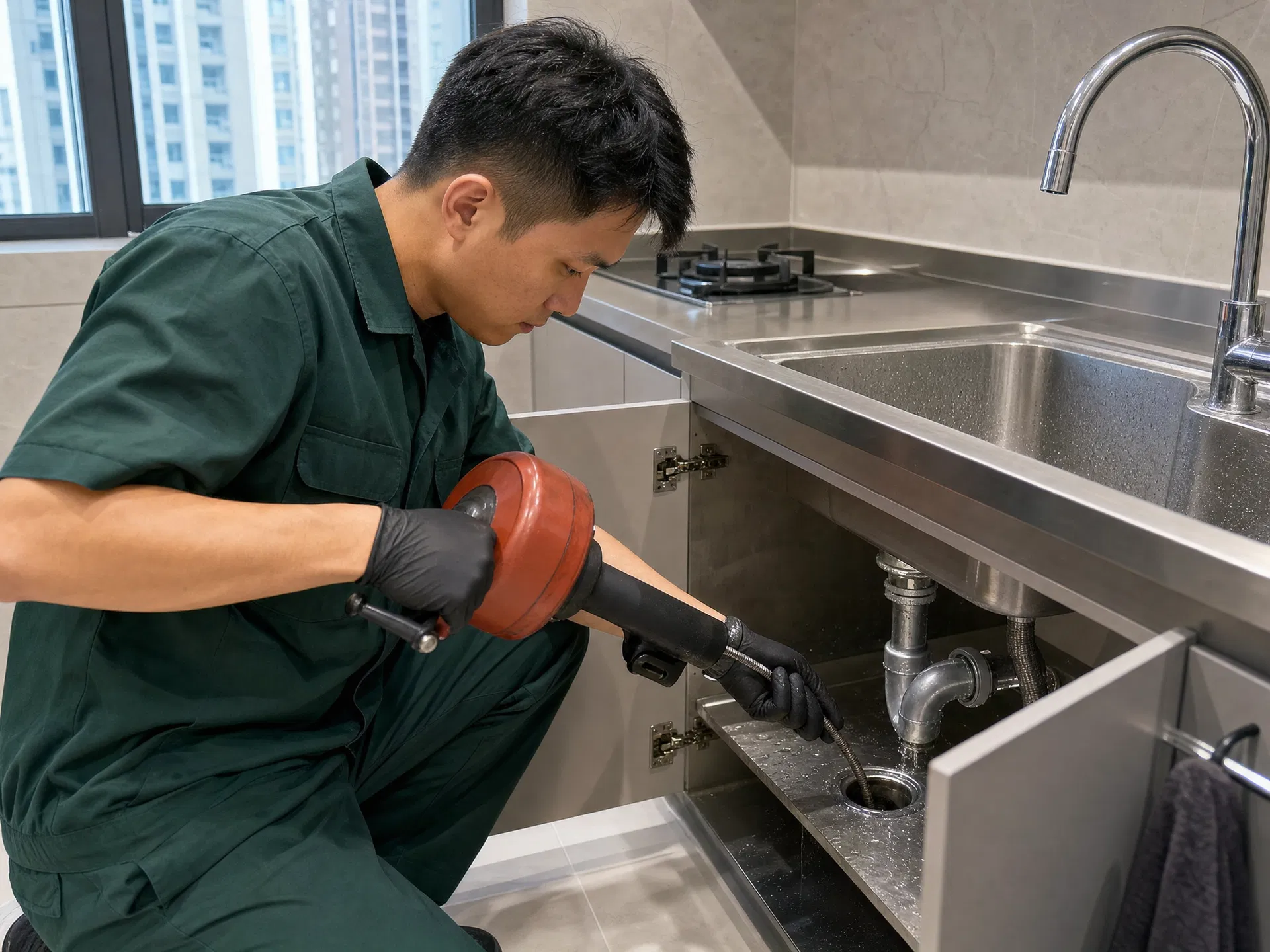
TL;DR
Troubled by kitchen sink drain odors? Learn U-trap maintenance, grease buildup, and when to call for professional plumbing repair today! Use the practical checkpoints below to separate a low-risk next step from work that needs a qualified professional. Keep a written record of the scope, timing and any change agreed on site.
Planning decision checklist
| Stage | Action today | Confirm before proceeding |
|---|---|---|
| Scope | Write down the outcome you need | What is included, excluded and contingent |
| Time | Set a realistic milestone sequence | Access, approvals and disruption constraints |
| Cost | Compare like-for-like quotations | Payment stage, variation process and warranty |
Visual repair guide
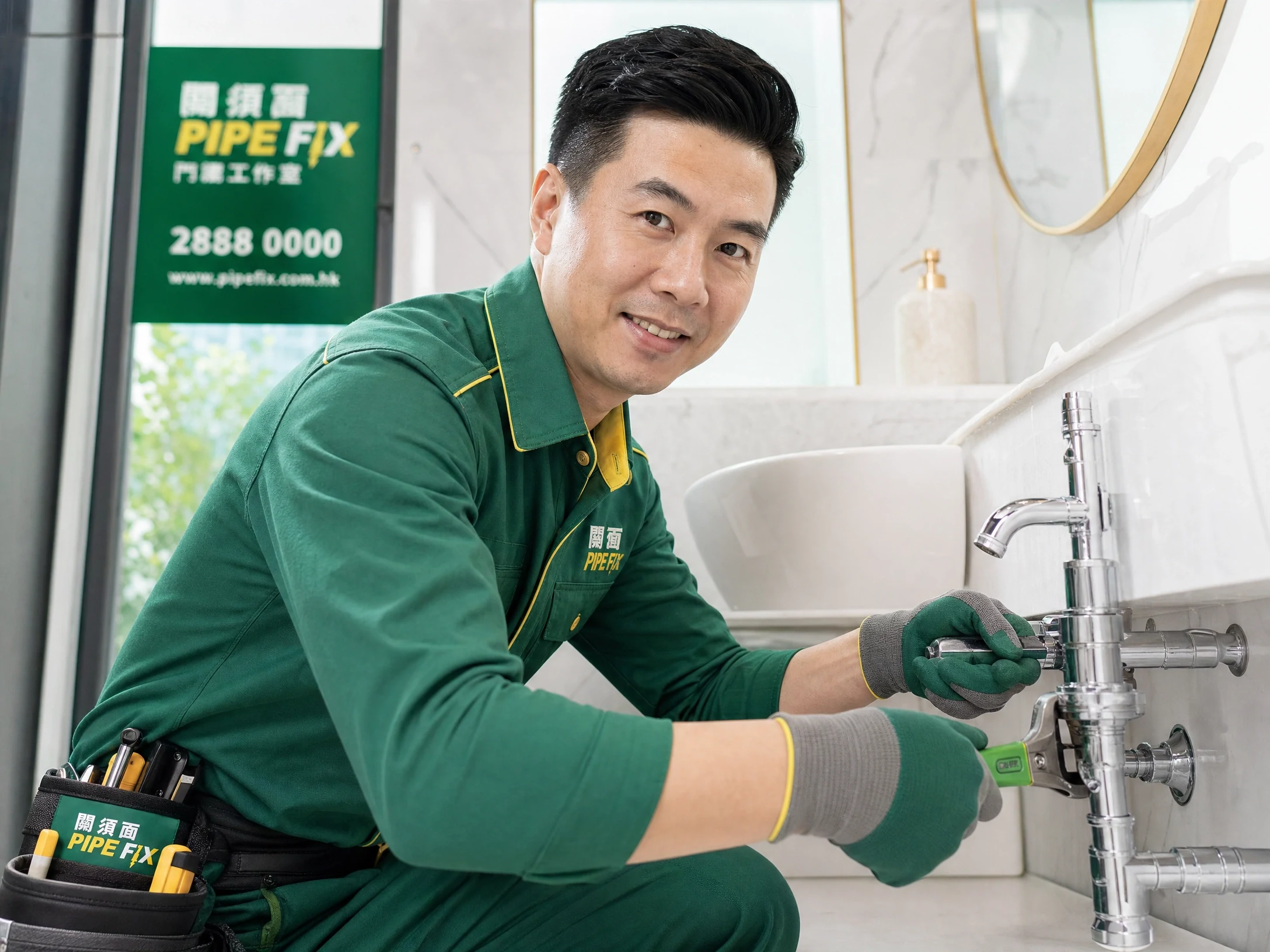
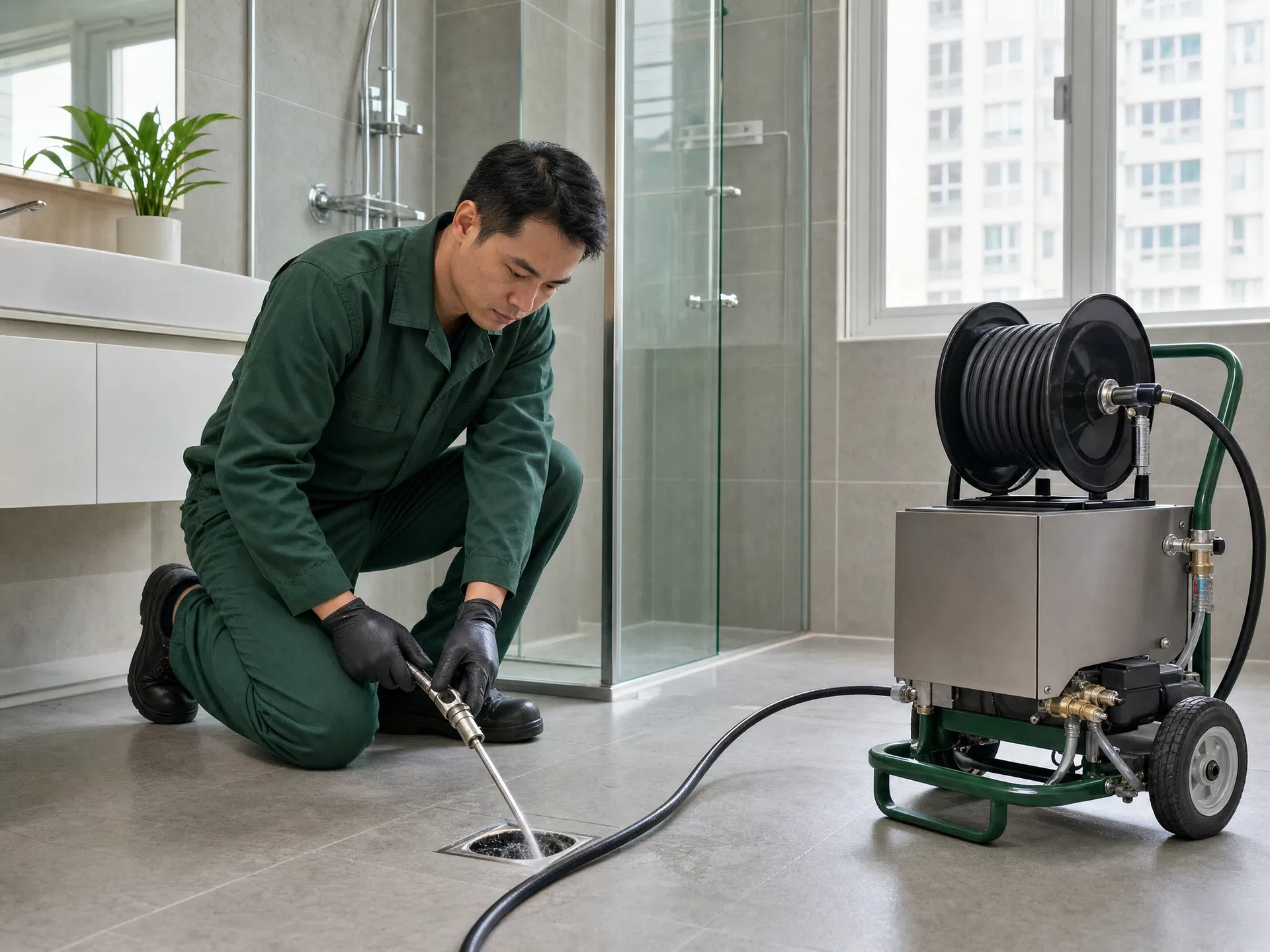
Why Do Kitchen Sink Drains Produce Persistent Odors?
When kitchen sink drains emit persistent unpleasant odors over time in Hong Kong apartments, it is typically caused by food scraps and kitchen grease accumulating along the inner pipe walls and breeding anaerobic bacteria. According to relevant government maintenance guidelines and housing safety recommendations, if residents fail to regularly clean the trap and branch pipes, organic matter ferments rapidly and releases noxious hydrogen sulfide gas back into the living space. This comprehensive professional article explores the fundamental root causes of drainage odors, necessary safety boundaries, and correct inspection frameworks to assist homeowners in resolving plumbing challenges effectively across various residential settings and property types throughout the territory.
When inspecting and handling sink odors in residential kitchens, residents must adhere strictly to safety boundaries and avoid blindly using highly concentrated corrosive chemical agents that might damage aged cast iron or PVC pipe networks. If the unpleasant odor is accompanied by severe wastewater clogging or involves structural building damage, you should not force a DIY solution without proper technical expertise. The following detailed sections will guide you through the operating principles, safety precautions, and professional maintenance methods associated with the standard U-trap system to ensure long-term functionality, structural reliability, and complete peace of mind for all household occupants.
Furthermore, understanding the underlying mechanisms of drainage systems helps residents appreciate why routine inspections are crucial. Kitchen sinks handle a tremendous volume of organic waste daily, including cooking oils, tiny food particles, and detergent residues. Over time, these substances coat the interior surfaces of horizontal branch pipes, creating an ideal breeding ground for microbial colonies that generate persistent foul smells across the entire kitchen area and adjacent living spaces.
In addition, environmental factors such as high indoor humidity and fluctuating temperatures during seasonal transitions can accelerate bacterial activity within drainage networks. Consequently, homeowners must remain vigilant and adopt proactive maintenance habits to neutralize odors before they escalate into major plumbing emergencies requiring extensive professional intervention.
Moreover, architectural design features in older urban buildings often include complex or narrow drainage layouts that are inherently more susceptible to grease accumulation. Recognizing these structural limitations allows residents to tailor their cleaning schedules and preventive measures accordingly, reducing the likelihood of unexpected plumbing failures.
How to Safely Inspect and Clean the U-trap Bend?
The primary structural function of the U-trap is to maintain a reliable water seal that effectively prevents hazardous sewer gases, foul smells, and unwanted pests from entering the kitchen environment. If the water seal evaporates completely due to prolonged disuse or minor seal failure, foul odors will directly escape into the room. Before initiating any cleaning procedures, residents should wear protective rubber gloves and place a sturdy bucket underneath the sink to catch residual wastewater and accumulated sediments safely without damaging surrounding kitchen cabinetry.
When addressing domestic drainage issues across various household zones, if residents notice slow drainage performance or accompanying foul odors, they sometimes associate them with other plumbing concerns, such as bathroom or kitchen drainage difficulties that might require professional drain unclogging assistance. Understanding different pipe structures and trap mechanisms helps in accurately diagnosing the root cause and avoiding unnecessary physical tool damage to fragile drainage pipelines during routine inspections.
Here is the standard step-by-step operation list for cleaning a kitchen U-trap safely: First, place a stable bucket directly underneath the sink pipe area to prevent wastewater from splashing onto the kitchen floor. Second, carefully loosen the slip nuts located at the bottom of the U-trap using appropriate plumbing tools to let trapped wastewater flow smoothly into the bucket. Third, remove accumulated grease, hair, and food residues from inside the pipe chamber and wash them thoroughly with warm water. Fourth, inspect rubber sealing rings for wear and tear, replacing them promptly if necessary. Fifth, reinstall and tighten the slip nuts securely, then run clean tap water to test for any potential leaks.
In addition to manual disassembly and washing, homeowners should also inspect the connection joints between the sink basin and the vertical tailpiece. Loose washers or misaligned gaskets can also allow sewer gas leakage even when the U-trap itself contains adequate water. Therefore, a comprehensive visual and tactile check of all accessible fittings is an indispensable part of routine residential maintenance.
Moreover, maintaining consistent water levels inside the trap is vital, especially during dry winter months when evaporation rates increase significantly. Pouring fresh water into the sink basin every few weeks recharges the trap seal and prevents sewer gases from infiltrating the indoor atmosphere unexpectedly.
How to Distinguish Between Minor Clogs and Heavy Grease Buildup?
Kitchen sink drainage issues generally fall into two distinct categories: minor pipe inner-wall adherence and heavy grease solidification over long periods. Minor adherence usually manifests as slightly slower drainage performance accompanied by mild sour odors, which can often be improved with warm water flushing and mild dishwashing detergent. However, heavy grease accumulated over years of heavy cooking cannot be resolved by ordinary rinsing alone, often requiring targeted physical cleaning or mechanical maintenance from skilled professionals.
In daily home maintenance routines, apart from kitchen sink drainage, residents frequently encounter unexpected situations in other bathroom facilities. For instance, sometimes residents face simultaneous concerns regarding kitchen drainage and a stubborn toilet clog. Both scenarios reflect the functional health status of different branch pipes or traps within the residential unit, requiring independent diagnosis and targeted handling rather than generalized assumptions about domestic plumbing systems.
To help residents clearly compare the characteristics, root causes, and response strategies of different drainage issues, we have organized the following detailed comparison table for professional reference and alignment:
| Problem Type | Primary Characteristic Sign | Root Cause Analysis | Recommended Treatment Plan | Professional Necessity |
|---|---|---|---|---|
| Mild Odor | Smooth drainage with slight sour smell | Food residue buildup, bacterial growth | Regular water flushing, mild detergent | Not required |
| Slow Flow | Noticeable drainage slowdown, bubbles | Grease adhering to walls, narrowed diameter | Use safe clearing tools | Optional DIY or service |
| Severe Clog | Complete blockage, unbearable stench | Solid debris trapped, main line obstruction | Arrange professional intervention | Mandatory professional support |
Furthermore, distinguishing between superficial pipe restriction and deep stack obstruction prevents homeowners from wasting money on ineffective consumer chemical products. Recognizing the physical limits of home intervention ensures greater safety and better allocation of household maintenance budgets.
When Should You Seek Professional Drainage and Plumbing Repair?
When domestic drainage issues exceed the scope of routine daily maintenance and simple household tools, residents must seek qualified professional support promptly. According to Buildings Department drainage repair guidelines, private property owners are legally and practically responsible for properly maintaining branch pipes, traps, and sanitary fixtures within their individual units. If severe wastewater backflow or persistent foul odors continue after careful DIY cleaning, avoid using overly aggressive mechanical tools that could fracture old pipes.
In such complex scenarios, securing qualified professional plumbing repair services is essential to ensure the safety and structural integrity of the building's overall drainage system. If deep internal pipes are blocked by stubborn hard objects or massive grease plugs, certified technicians will evaluate whether specialized techniques like high-pressure jetting are necessary to thoroughly clear obstacles without damaging old pipe structures or causing accidental water damage to downstairs neighbors.
Apart from kitchen sinks and branch drain pipes, residents may encounter other household facility malfunctions in daily life. For example, when bathroom sanitary facilities exhibit operational abnormalities, timely arrangement of professional toilet repair or related pipe inspections is equally important as kitchen drainage maintenance to comprehensively safeguard home hygiene, prevent water seepage, and maintain normal daily living standards across all household members living in the apartment.
Professional plumbers bring specialized diagnostic equipment, such as miniature drain cameras and heavy-duty augers, which allow them to inspect concealed wall pipes without destructive breaking. This advanced capability minimizes repair costs and ensures accurate problem resolution across complex residential networks.
What Are the Daily Methods to Prevent Sink Odors?
Prevention is always better than cure, and establishing good daily kitchen habits can significantly reduce the incidence of drain odors and unexpected clogs. Residents should scrape food waste and solid residues into the trash bin before washing dishes to prevent heavy cooking grease from entering the drain directly. Additionally, maintaining proper water seals in the U-trap is crucial for blocking sewer gases from entering indoor living areas during dry weather seasons.
Throughout long-term home maintenance processes, maintaining the habit of regularly inspecting the drainage system can effectively prevent sudden severe failures. Residents should pay close attention to subtle changes in drainage speed and utilize warm water and neutral detergents during routine cleaning, thereby extending pipe lifespan and keeping indoor air fresh and pleasant throughout the entire residential property.
In summary, proper maintenance of the kitchen drainage system enhances living comfort and prevents unexpected financial expenses caused by plumbing neglect. Residents should regularly consult official government home maintenance resources and leave complex faults to qualified professionals when necessary, ensuring a safe, hygienic, and well-maintained living environment for everyone in the household.
Which service guide is most relevant to the next step?
Use the following service guides to understand the scope that best matches the issue before deciding whether an inspection or quotation is appropriate:
- drain unblocking hong kong: a focused guide to the scope, safety considerations and contact route for this type of issue.
- toilet clog repair hong kong: a focused guide to the scope, safety considerations and contact route for this type of issue.
- plumber hong kong: a focused guide to the scope, safety considerations and contact route for this type of issue.
- high pressure drain jetting hong kong: a focused guide to the scope, safety considerations and contact route for this type of issue.
- toilet repair hong kong: a focused guide to the scope, safety considerations and contact route for this type of issue.
Official reference
Use the Housing Authority’s official guidance as a starting point when a housing, move-in or renovation decision affects a Hong Kong home.
About the author
FixNow Home Repair Editorial Team
Frequently asked questions
Why do kitchen sink drains suddenly emit foul odors?
This is usually caused by the water seal in the U-trap evaporating or heavy grease buildup breeding bacteria inside the pipes.
Can residents dismantle and clean the U-trap themselves?
Yes, as long as you wear gloves and place a bucket underneath. However, for aged pipes or structural damage, professional help should be sought.
Can chemical drain cleaners completely solve drain odors?
Chemical cleaners only temporarily dissolve grease and can corrode pipes with frequent use. Physical cleaning is recommended.
Does drain odor indicate a problem with the building's main stack?
If odors are accompanied by drainage abnormalities across units or stack noise, the main stack may be at fault, requiring management notification.
How to determine if hiring a professional technician is necessary?
If self-cleaning fails and conditions worsen, or concealed pipe leaks occur, qualified plumbing professionals should be engaged.
How to minimize grease accumulation in the kitchen sink daily?
Wipe residual grease with paper towels before washing dishes, avoid pouring bulk oil into the sink, and flush regularly with warm water.