Ceiling Leak Guide
Water Leak Detection Hong Kong: Ceiling Leaks, Liability & Solutions
Published: 2026-05-08 · Updated: 2026-07-12 · 6 min read
TL;DR
How to find the source of a water leak at home? Complete guide to leak detection methods, common causes, repair costs, and owner responsibilities in Hong Kong. Use the practical checkpoints below to separate a low-risk next step from work that needs a qualified professional. Keep a written record of the scope, timing and any change agreed on site.
Quick decision checklist
| Situation | Safe first action | Before you book |
|---|---|---|
| Active leak, heat, burning smell or repeated tripping | Isolate the affected area only when safe | Describe the symptom, location and urgency in writing |
| Routine maintenance | Record model, age and last service | Confirm scope, consumables and warranty |
| Uncertain cause | Photograph the symptom and avoid repeated DIY attempts | Ask for diagnosis before approving replacement work |
Visual repair guide

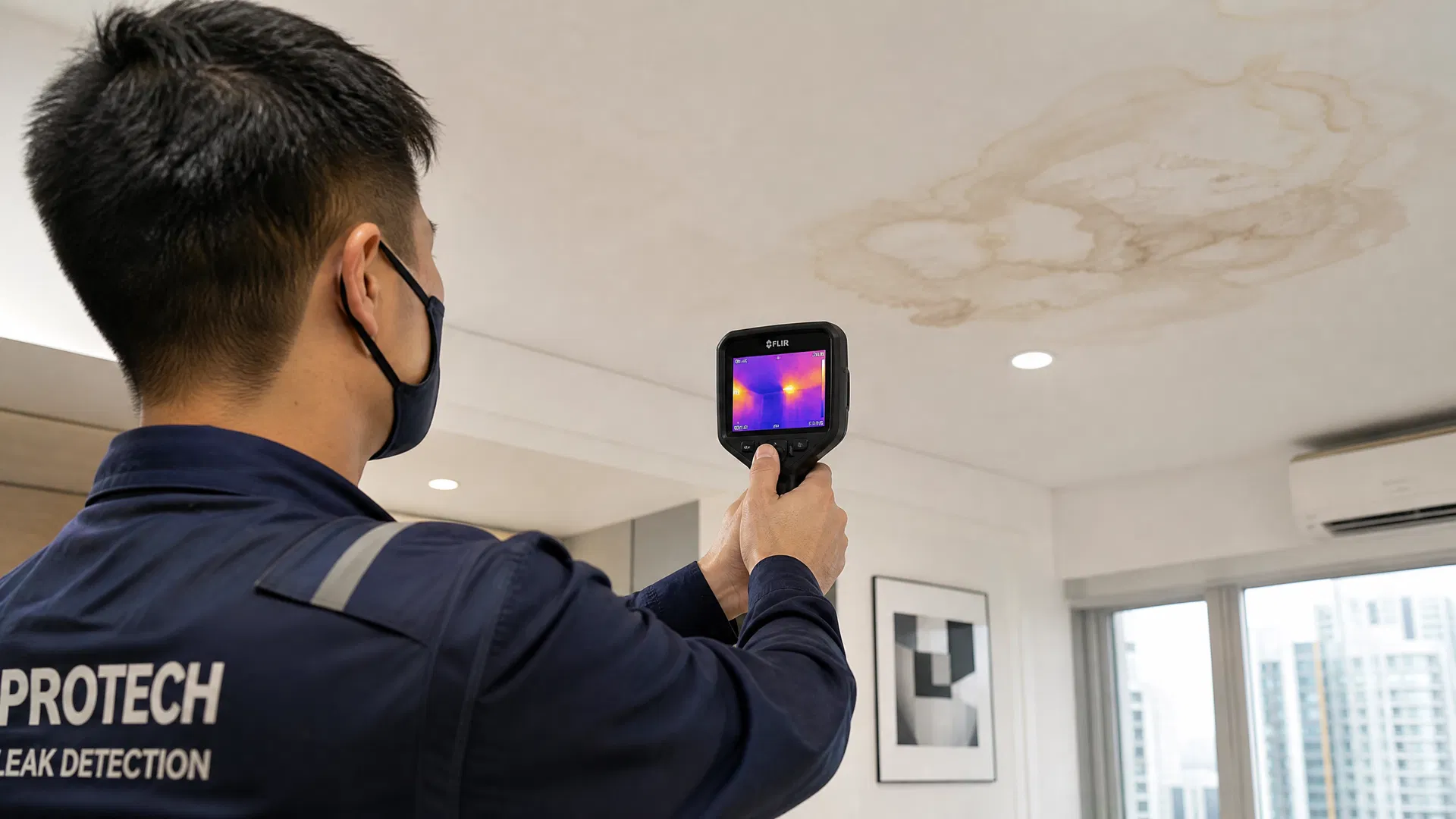
Water leaks are among the most common residential maintenance issues in Hong Kong and a major source of neighbour disputes. According to the Food and Environmental Hygiene Department (FEHD), over 30,000 water seepage complaints are received annually, but only about 40% successfully identify the source. Untreated leaks damage renovations and furniture, breed mould affecting health, and can even compromise building structural safety. This guide teaches you how to identify leak sources, available detection methods, and proper handling procedures.
Common Sources of Water Leaks
Residential leaks typically originate from: **Upstairs unit** — aged bathroom or kitchen waterproofing, burst pipes or loose connections; **Your own unit** — internal pipe leaks, aged toilet base seals, bathtub/shower drain seepage; **Common pipes** — building's shared drainage or supply pipes aging and leaking; **External walls** — failed external waterproofing, aged window frame sealant, or damaged roof waterproofing. Identifying the source is the first and most difficult step in repair.
Preliminary Self-Assessment Methods
Before calling professionals, you can make initial assessments: **Observe seepage location** — ceiling seepage usually comes from above, wall seepage may be pipes or external walls, floor seepage may be your own drainage. **Observe timing** — if it only appears when upstairs uses water (e.g., after showering), it's likely their waterproofing; if continuous, it may be a pipe leak. **Observe progression** — gradual worsening means the problem is expanding and needs urgent attention.
Professional Leak Detection Methods
Professional detection typically uses: **Infrared thermography** — displays moisture distribution inside walls through temperature differences, quickly locating seepage areas; **Microwave moisture meter** — non-destructive measurement of wall moisture content with high accuracy; **Dye testing** — injecting coloured water at suspected sources and observing if the same colour appears at seepage points; **Pressure testing** — pressurising the sealed plumbing system and monitoring for pressure drops indicating leaks; **Exploratory opening** — last resort, opening small sections of wall or floor for direct observation.
| Detection Method | Cost Reference | Accuracy | Destructive | Suitable For |
|---|---|---|---|---|
| Infrared Thermography | $800-$2,000 | Medium-High | No | Initial area location |
| Microwave Moisture Meter | $500-$1,500 | High | No | Confirming moisture levels |
| Dye Testing | $1,000-$3,000 | High | Low | Confirming seepage path |
| Pressure Testing | $600-$1,200 | High | No | Pipe leaks |
| Exploratory Opening | $1,500-$4,000 | Very High | Yes | Final confirmation |
FEHD Water Seepage Complaint Process
If you suspect leakage from another unit, you can complain to FEHD's Joint Office. Process: Step 1, call 1823 or submit online. Step 2, FEHD arranges an inspection (usually 2-4 weeks). Step 3, if the source is confirmed, a 'Nuisance Notice' is issued to the responsible party. Step 4, the responsible party must complete repairs within the specified deadline. Step 5, non-compliance can result in prosecution (maximum fine $10,000 plus $200 daily penalty). Note: FEHD's investigation success rate is only about 40% — if the source cannot be determined, the case is closed.
Owner Responsibilities and Legal Issues
Under Hong Kong law, owners are responsible for maintaining pipes and waterproofing within their units. If your unit's leak causes losses to other units, you may be liable for repair costs and compensation. Common legal issues include: upstairs refusing to cooperate with inspection (can be addressed through FEHD or legal channels), disputes over leak responsibility (requires professional reports as evidence), and compensation amount disputes (keep all repair receipts and photos as evidence).
Common Leak Repair Costs
Repair costs depend on cause and severity: replacing pipe connections $500-$1,500; patching waterproofing (localised) $3,000-$8,000; full bathroom re-waterproofing $8,000-$15,000; external wall waterproofing repair $5,000-$15,000 (depending on area and scaffolding needs); replacing concealed pipes $2,000-$6,000. If leaks have already damaged renovations, restoration costs will be higher. We recommend addressing leaks promptly — delays only worsen problems and increase costs.
Leak Prevention Recommendations
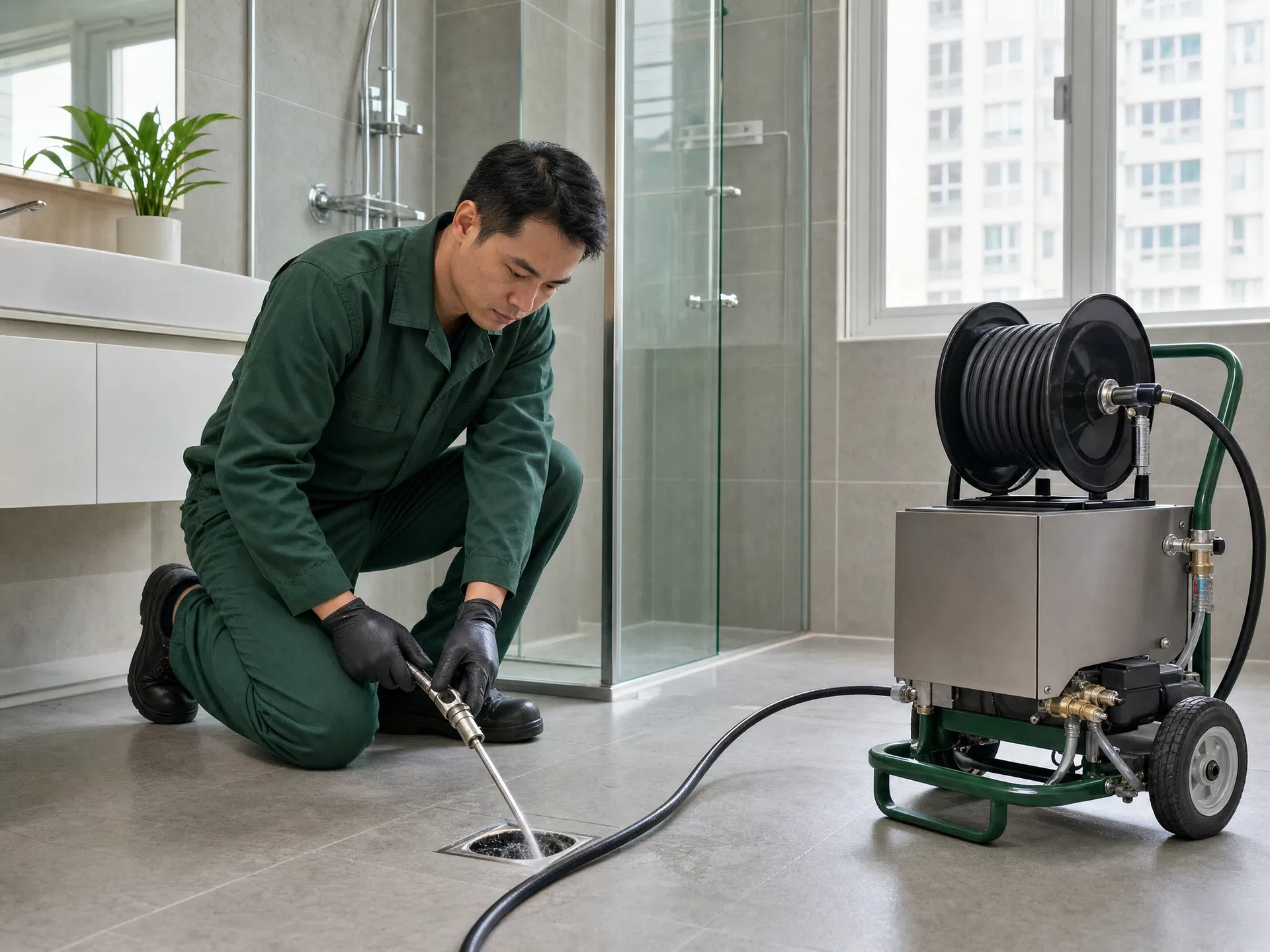
Prevention is better than cure. Measures to reduce leak risk: regularly check pipe connections for seepage signs (especially water meter and angle valves); bathroom waterproofing should be redone every 10-15 years; monitor water bills for unusual increases (may indicate hidden leaks); install leak sensors (place near pipes, beside washing machines, and other high-risk locations); and regularly clear drain pipes to prevent blockages.
Conclusion: Don't Delay Leak Problems
Leak problems get worse and more expensive the longer they're ignored. Once you notice seepage signs, identify the cause and arrange repairs promptly. If neighbours are responsible, try friendly communication first, then escalate through FEHD or legal channels if unsuccessful. FixNow provides professional leak detection and repair services — experienced technicians diagnose on-site, quickly locate problems, and provide repair solutions. WhatsApp 9290 2652 for a free preliminary assessment.
Pre-Inspection Checklist for Hidden Water Leaks Before calling professional leak detection services or dismantling built-in cabinetry in your Hong Kong apartment, carrying out a systematic preliminary assessment saves time and expense. Begin by conducting a visual examination during dry weather versus humid days, noting whether damp patches expand after heavy rain or persistent showers typical of local monsoon seasons. Inspect silicone sealants around window frames, shower enclosures, and kitchen sinks, as degraded sealant is a primary source of slow seepage. Next, perform the master water meter test. Ensure all taps, washing machines, and water-using appliances within the flat are completely turned off. Observe the mechanical meter dial or digital register for fifteen minutes. If the leak indicator wheel continues to rotate or meter numbers advance, water is escaping somewhere within your internal supply lines. Document these observations with clear photographs and time stamps, creating a comprehensive log that facilitates clearer communication with your plumber or property management office. ### Evaluating Advanced Detection Methods and Deciding on Action When surface checks prove inconclusive, modern non-destructive leak detection technologies offer precise diagnostics without the chaos of hacking up tiled floors or drilling into reinforced concrete walls. Acoustic listening devices amplify the distinct sound of pressurized water escaping through tiny fractures, while thermal imaging cameras detect temperature differentials caused by hidden moisture pooling behind drywall or beneath screed layers. Moisture meters provide immediate quantitative readings across various building materials, helping map the exact boundary of dampness. When reviewing quotations from contractors, evaluate whether their proposed scope includes comprehensive non-destructive testing rather than speculative drilling. Request a transparent breakdown of diagnostic fees versus repair costs, and clarify who bears responsibility if exploratory measures fail to isolate the source. Ensure that the service agreement specifies written reporting with thermal or acoustic mapping data, serving as official documentation for insurance claims or building management dispute resolutions. ### Avoiding Common Mistakes During Leak Investigations Homeowners frequently commit avoidable errors when addressing sudden water seepage, compounding property damage or escalating repair expenses. One prevalent mistake is applying superficial waterproofing paint over damp interior walls without identifying and resolving the root cause of moisture ingress. Sealing a damp wall traps moisture inside the concrete structure, leading to paint blistering, plaster degradation, and accelerated mold proliferation during humid months. Another frequent pitfall involves neglecting strata management coordination in multi-story residential buildings. Water seepage frequently originates from communal risers, external drainage stacks, or upper-floor units. Bypassing the incorporated owners or building management office before initiating independent invasive repairs can lead to disputed liabilities regarding cost-sharing for common pipe repairs. Always coordinate with building representatives to conduct joint inspections, verify property boundary lines of responsibility, and maintain an accurate, chronological written record of all communications, quotations, and repair milestones. <!-- P2-CONTENT-EXPANSION -->
Official reference
For Hong Kong electrical, gas and mechanical-safety guidance, consult the official EMSD resource before making a safety-critical decision.
About the author
FixNow Leak Detection Engineer
Frequently asked questions
What if upstairs leaks but refuses to repair?
First try friendly communication. If unsuccessful, complain to FEHD (call 1823). After confirmation, FEHD issues a statutory notice requiring repair. If still ignored, FEHD can prosecute. You can also claim compensation through the Small Claims Tribunal.
Do leak detection reports have legal validity?
Leak detection reports issued by qualified engineers or accredited laboratories can serve as court evidence. Choose detection companies with relevant professional qualifications — reports should include methods, data, photos, and conclusions.
Who is responsible for leak repair costs?
The general principle is 'whoever's facility is faulty is responsible for repair'. If upstairs waterproofing has aged causing leaks, the upstairs owner must repair and compensate your losses. If it's a common pipe issue, the Owners' Corporation or management company is responsible.
How long does an FEHD complaint take?
From complaint to first inspection usually takes 2-4 weeks. The entire investigation (including multiple tests and follow-ups) may take 2-6 months. Complex cases requiring multiple tests may take longer. Meanwhile, take temporary protective measures yourself.
How to distinguish between pipe leaks and waterproofing failure?
Pipe leaks are usually continuous (24 hours) with relatively stable water volume. Waterproofing failures typically only appear after water use (e.g., after showering) and gradually dry out. Another method: turn off the main water valve for 24 hours — if seepage stops, it's a pipe issue; if it continues, it's waterproofing or external wall failure.