Smart Lock vs Traditional Lock Replacement Guide for Hong Kong
Smart Lock vs Traditional Lock Replacement Guide for Hong Kong
Published: 2026-08-15 · Updated: 2026-08-15 · 8 min read
TL;DR
Should you replace your lock or upgrade to a smart lock? Explore security, installation tips, and emergency locksmith services in Hong Kong today. Use the practical checkpoints below to separate a low-risk next step from work that needs a qualified professional. Keep a written record of the scope, timing and any change agreed on site.
Planning decision checklist
| Stage | Action today | Confirm before proceeding |
|---|---|---|
| Scope | Write down the outcome you need | What is included, excluded and contingent |
| Time | Set a realistic milestone sequence | Access, approvals and disruption constraints |
| Cost | Compare like-for-like quotations | Payment stage, variation process and warranty |
Visual repair guide
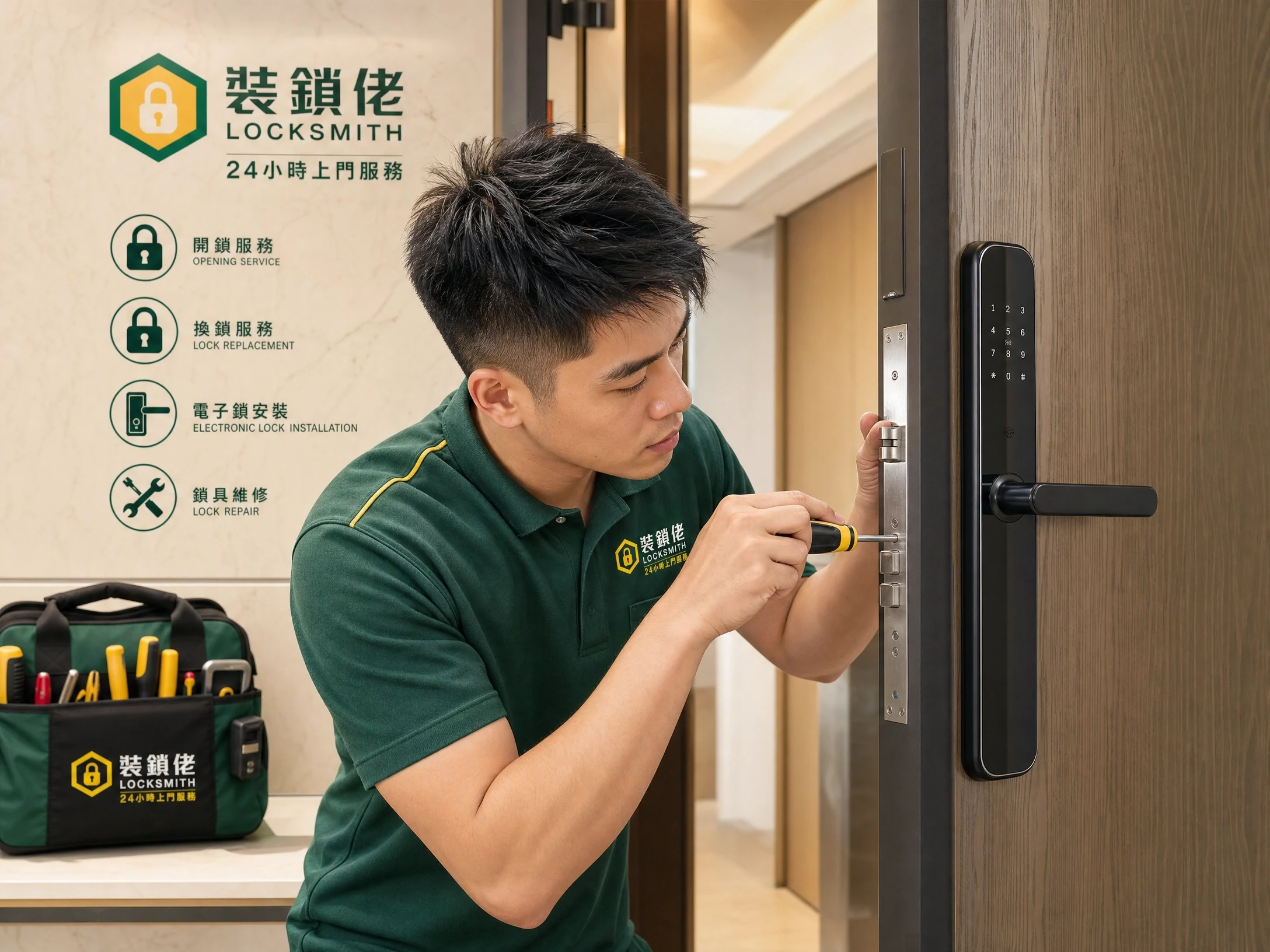
Hong Kong residents facing worn-out locks or lost keys often face a difficult choice between lock replacement and upgrading to a smart lock. This comprehensive and detailed guide directly answers how different locking systems compare, explores the safety boundaries of DIY modifications, and outlines essential maintenance steps.
When selecting a door lock solution, homeowners must carefully evaluate door structure, fire safety standards, and daily habits. Never sacrifice mechanical strength and certified security merely for aesthetic or high-tech appeal.
How to Choose Between Lock Replacement and Smart Lock Installation?
Traditional mechanical locks offer simplicity, affordability, and zero power dependency, making them ideal for budget-conscious households. However, if family members frequently misplace keys or multi-user access control is required, smart locks provide fingerprint, passcode, and card-swiping convenience.
Before upgrading, check the thickness and edge dimensions of your existing wooden or metal door. Some older apartment doors feature narrow mortise bodies that cannot accommodate bulky smart lock panels without extensive and potentially unsafe modifications to the door frame.
According to official home maintenance references such as GovHK Home Maintenance and Repair Tips, routine inspections and compliant upkeep of doors, windows, and hardware are vital for residential safety. Homeowners should weigh their requirements and door conditions carefully.
What Are the Security Differences Between Traditional and Smart Locks?
Traditional mechanical lock security depends heavily on cylinder grading (such as high-grade anti-picking cylinders). However, if a key is lost, the entire cylinder or lock body must be replaced, incurring higher costs and inconvenience.
Electronic smart locks incorporate advanced security features like anti-pry alarms, decoy passcodes, and dual verification. Nevertheless, because they rely on battery power, retaining a mechanical emergency keyway remains critical during electronic malfunctions.
Electronic locks introduce multi-factor authentication mechanisms, combining fingerprint scans and passcodes to eliminate risks associated with lost or copied physical keys. However, electronic components are highly sensitive to environmental humidity. Installing smart locks in poorly ventilated corridors or coastal residences significantly increases the risk of moisture-induced short circuits. Therefore, assessing ambient humidity and selecting models with appropriate weatherproofing ratings is essential during purchasing.
On the other hand, traditional mechanical locks excel in structural stability and long-term durability. For older walk-up tenements or village houses, metal door frames often align better with robust mechanical mortises than heavy electronic faceplates. Homeowners evaluating security should examine anti-pick ratings, bolt thickness, and maintenance overheads rather than relying solely on high-tech appeal.
To clearly illustrate these differences, the following comparison table outlines common lock systems:
| Lock Type | Security Performance | Convenience Level | Applicable Environment & Limitations |
| :--- | :--- | :--- | :--- |
| Traditional Mechanical Lock | Moderate (Depends on cylinder anti-pick grade) | Requires physical keys at all times | Ideal for older walk-ups or backup doors; no power dependency |
| Fingerprint & Passcode Lock | High (Multiple authentication & anti-hijack) | Keyless entry with versatile unlocking methods | Suitable for modern private estates; requires checking door thickness |
| Bluetooth & Card Lock | Moderate-High (Supports passcodes and encrypted cards) | Convenient for elderly residents and short-term visitors | Suitable for rental properties or offices; batteries must be replaced periodically |
What Are the Safety Limitations for DIY Door Lock Upgrades?
Many residents assume that changing hardware simply involves turning a few screws, leading them to attempt DIY installations. However, unfamiliarity with internal lock mechanisms can cause latch jams, deadbolt misalignment, or complete lockouts.
Before attempting any adjustment, homeowners must understand their safety boundaries and limitations:
- Inspect existing lock bodies, backset measurements, and opening directions to ensure precise compatibility.
- Prepare appropriate screwdrivers and hex wrenches, avoiding oversized or incorrect tools that can strip screw heads.
- Test the latch retraction repeatedly with the door open before closing it to ensure smooth operation.
If the task requires heavy drilling, retrofitting security viewfinders, or modifying heavy-duty mortises, engaging professional locksmith services is strongly recommended to prevent safety risks.
Another common pitfall during DIY maintenance is ignoring door hinge alignment and frame squareness. Frequently, latch friction stems from minor frame settling over time rather than internal cylinder failure. Forcing a new lock onto a misaligned frame accelerates wear without fixing the root cause. Always check alignment with a spirit level before proceeding.
Furthermore, if window operational issues or drafts exist concurrently, avoid forced DIY fixes. Instead, arrange professional aluminum window repair services to ensure complete building envelope integrity. Comprehensive home maintenance guarantees holistic safety.
How to Seek Professional Support When Door Locks Fail?
When facing lockouts, snapped keys in cylinders, or completely dead smart locks with failed emergency override keys, never use brute force to pry the door open. This damages door frames and creates severe security vulnerabilities.
If emergencies occur late at night or during critical situations, residents can rely on professional 24-hour emergency repair services for prompt assistance. Experienced technicians possess specialized non-destructive tools to resolve crises safely.
While awaiting professional assistance, homeowners should remain calm and avoid using hammers or screwdrivers to pry faceplates, which causes permanent structural damage. For rental properties, notify landlords or property management promptly to arrange qualified contractors.
Furthermore, referencing electrical and mechanical guidelines such as EMSD General Safety Guidance helps ensure that all home appliances and security hardware operate within safe parameters, minimizing sudden breakdown risks.
What Maintenance Considerations Apply to Different Regions in Hong Kong?
Hong Kong's diverse regional climates and humidity levels directly affect lock durability. For instance, coastal districts experience higher salinity, making metal lock faces prone to oxidation and corrosion.
Older residential buildings within Hong Kong Island repair services zones often suffer from minor structural settling or frame warping, which increases friction between latches and strike plates during operation.
Conversely, modern developments in New Territories repair services areas feature newer structures, but inadequate waterproofing during interior renovation can lead to circuit board short-circuits in electronic locks during humid spring seasons. Tailoring maintenance to regional climates is paramount.
In conclusion, whether selecting traditional mechanical locks or upgrading to smart locks, regular inspections and proper usage remain fundamental. Homeowners should cultivate annual check-up habits, monitoring lock flexibility and battery health to ensure peace of mind with every entry.
Understanding the underlying mechanics of door hardware empowers property owners to make informed decisions during renovations or emergency replacements. Many modern smart lock systems integrate advanced encryption protocols and temporary digital passcodes, allowing homeowners to grant secure access to housekeepers or maintenance technicians without handing over physical keys. This digital flexibility, however, must be balanced against cybersecurity risks, such as potential firmware vulnerabilities or unauthorized Bluetooth relay attacks. Selecting reputable manufacturers with certified security standards mitigates these digital threats significantly.
When evaluating the overall cost-effectiveness of hardware upgrades, residents should consider not only the initial purchase price and professional installation fees, but also long-term maintenance requirements. Traditional mechanical locks rarely require professional servicing unless cylinders jam, whereas electronic locks demand periodic battery replacements and firmware updates. Failing to replace dying batteries on time can result in unexpected lockouts, requiring emergency locksmith intervention. Therefore, establishing a routine maintenance schedule—such as checking battery indicators every three months—is crucial for uninterrupted security.
Furthermore, building management regulations in Hong Kong often dictate specific compliance standards for main entrance doors, particularly regarding fire resistance ratings and egress requirements. Residential units facing internal corridors must maintain fire door integrity; unauthorized modifications that breach the fire rating can jeopardize building safety codes and invalidate insurance policies. Consulting qualified contractors who understand local statutory regulations ensures that any hardware change or smart lock installation complies fully with Buildings Department and Fire Services Department expectations, safeguarding both occupants and property investments.
In addition to mechanical and electronic hardware considerations, urban residents across different districts must remain vigilant regarding regional environmental challenges. Properties situated in high-salinity coastal environments face accelerated corrosion rates on exterior faceplates, necessitating anti-rust protective coatings. Meanwhile, properties located in older urban districts require careful structural assessment of door jambs before undertaking heavy mortise replacements. By integrating professional insights, adhering to official safety guidelines, and prioritizing preventive maintenance, Hong Kong homeowners can establish a robust, reliable, and secure perimeter for their residences throughout every season of the year.
Additional operational factors include key management protocols for commercial properties and multi-tenant buildings. Property managers must balance accessibility with stringent security controls, ensuring that master key systems or electronic credential databases remain uncompromised. Regular audits of access logs and prompt revocation of lost credentials prevent unauthorized intrusions effectively. Ultimately, proactive security management extends far beyond initial hardware selection, requiring ongoing vigilance and professional partnership to maintain uncompromised safety standards.
Navigating architectural constraints in older Hong Kong properties also requires specialized knowledge regarding door frame materials and wall construction. Solid wood, hollow core, and metal security doors each demand unique mounting techniques and fastener specifications. Improper drilling or fastening can compromise the structural integrity of the door assembly, leaving premises vulnerable to forced entry. Engaging experienced professionals ensures that every installation meets rigorous engineering standards and provides long-lasting peace of mind for all residents involved across the territory.
Which service guide is most relevant to the next step?
Use the following service guides to understand the scope that best matches the issue before deciding whether an inspection or quotation is appropriate:
- locksmith hong kong: a focused guide to the scope, safety considerations and contact route for this type of issue.
- aluminium window repair hong kong: a focused guide to the scope, safety considerations and contact route for this type of issue.
- 24 hour emergency repair hong kong: a focused guide to the scope, safety considerations and contact route for this type of issue.
- handyman hong kong island: a focused guide to the scope, safety considerations and contact route for this type of issue.
- handyman new territories: a focused guide to the scope, safety considerations and contact route for this type of issue.
Official reference
Use the Housing Authority’s official guidance as a starting point when a housing, move-in or renovation decision affects a Hong Kong home.
About the author
FixNow Home Repair Editorial Team
Frequently asked questions
What are common mistakes when replacing door locks DIY?
Common mistakes include purchasing incompatible lock cylinders, stripping screws by over-tightening, and closing the door without testing latch operation while open, leading to lockouts.
How to handle a dead smart lock in an emergency?
Most smart locks feature emergency USB external power ports and concealed mechanical keyholes for emergency access when batteries fail.
Are electronic smart locks suitable for older tenement buildings?
Older walk-up doors and gates may have narrow frames; structural evaluation by a professional is recommended before retrofitting smart locks.
How to prevent door locks from rusting or jamming in humid seasons?
Wipe lock surfaces regularly with a dry cloth and apply specialized lock lubricant to internal mechanisms while avoiding cooking oil to prevent dust buildup.
Can I apply lubricating oil myself when a lock sticks?
Graphite powder or specialized lock lubricants are acceptable, but standard oils or cooking oils must be avoided to prevent worsening mechanical jams.
Do I need to notify building management when replacing locks?
If replacing building common entrance locks or altering exterior structures, check building deed regulations and notify management beforehand.