Home Mould Prevention and Humidity Control Guide for Hong Kong
Home Mould Prevention and Humidity Control Guide for Hong Kong
Published: 2026-08-15 · Updated: 2026-08-15 · 8 min read
TL;DR
Complete guide to home mould prevention and indoor humidity control in Hong Kong. Learn mould causes, AC drainage, leak checks, and waterproofing. Use the practical checkpoints below to separate a low-risk next step from work that needs a qualified professional. Keep a written record of the scope, timing and any change agreed on site.
Planning decision checklist
| Stage | Action today | Confirm before proceeding |
|---|---|---|
| Scope | Write down the outcome you need | What is included, excluded and contingent |
| Time | Set a realistic milestone sequence | Access, approvals and disruption constraints |
| Cost | Compare like-for-like quotations | Payment stage, variation process and warranty |
Visual repair guide
Why Do Hong Kong Homes Easily Breed Mould? Key Challenges in Indoor Humidity Management
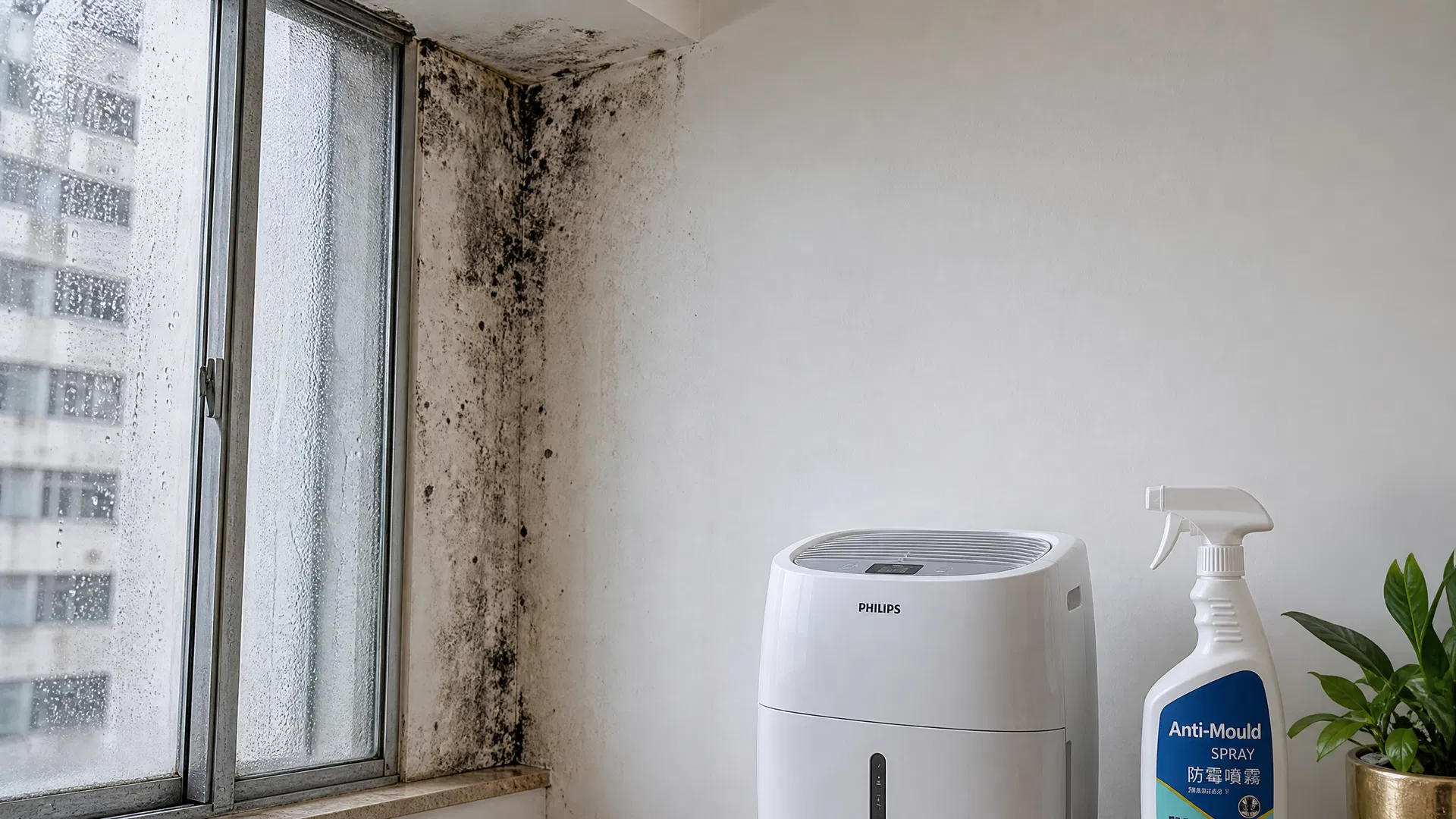
During spring and summer, Hong Kong experiences high humidity, with relative humidity often exceeding 90% during the Returning South season, providing an ideal breeding ground for mould. When indoor humidity persistently stays above 70%, moisture condenses on walls, ceilings, and furniture surfaces, accelerating black mould proliferation across living spaces. This article directly analyzes the core logic of home mould prevention, outlines the safety boundaries between DIY cleaning and seeking professional assistance, and details practical steps for humidity control, AC drainage inspection, wall seepage troubleshooting, and subsequent repair work. When dealing with severe mould or structural moisture issues, residents must avoid blindly wiping with harsh chemical agents while ignoring the root cause. If wall structures are damaged or long-term seepage occurs, professional testing should be arranged promptly to ensure structural safety.
Facing severe humid climates in urban residential settings, home mould prevention cannot rely solely on occasional window ventilation or passive wiping routines. Mould not only ruins interior aesthetics but also releases spores that impact respiratory health, posing significant health risks especially to elderly family members and young children. To fundamentally resolve mould problems, a systematic inspection and maintenance mechanism must be established, covering ventilation, dehumidification, drainage, and structural waterproofing across all indoor zones. Maintaining a dry living environment requires continuous vigilance, proper equipment management, and timely intervention whenever early signs of dampness appear on vulnerable surfaces.
How to Control Indoor Humidity Through Daily Ventilation and Dehumidification Equipment?
Controlling indoor humidity is the primary defense line against mould growth in residential properties. During high humidity days in spring and summer, keeping doors and windows closed while properly utilizing dehumidifiers is the most direct method to control environmental humidity. Residents should place the dehumidifier in the center of the room, regularly clean the dust filters, and empty the water tank to ensure optimal operational efficiency. Additionally, areas generating high moisture like bathrooms and kitchens should have exhaust fans running for at least thirty minutes after each use to expel excess moisture. If exhaust fans produce abnormal noise or show reduced suction, timely minor inspections or cleaning should be arranged without delay. Maintaining air circulation in daily life and avoiding long-term indoor clothes drying effectively reduces localized humidity and lowers mould proliferation risks.
Beyond dehumidifiers, the operating mode of air conditioners significantly impacts indoor humidity and overall air quality. If condensation or abnormal odors are detected on surrounding walls when the air conditioner operates, it is often closely related to internal AC maintenance and drainage conditions. Regular professional air conditioning cleaning ensures cooling efficiency and removes accumulated mould and bacteria inside the unit, preventing mould spores from being blown into living rooms or bedrooms during peak summer months.
How Do Air Conditioner Drainage Blockages and Pipe Anomalies Trigger Wall Mould?
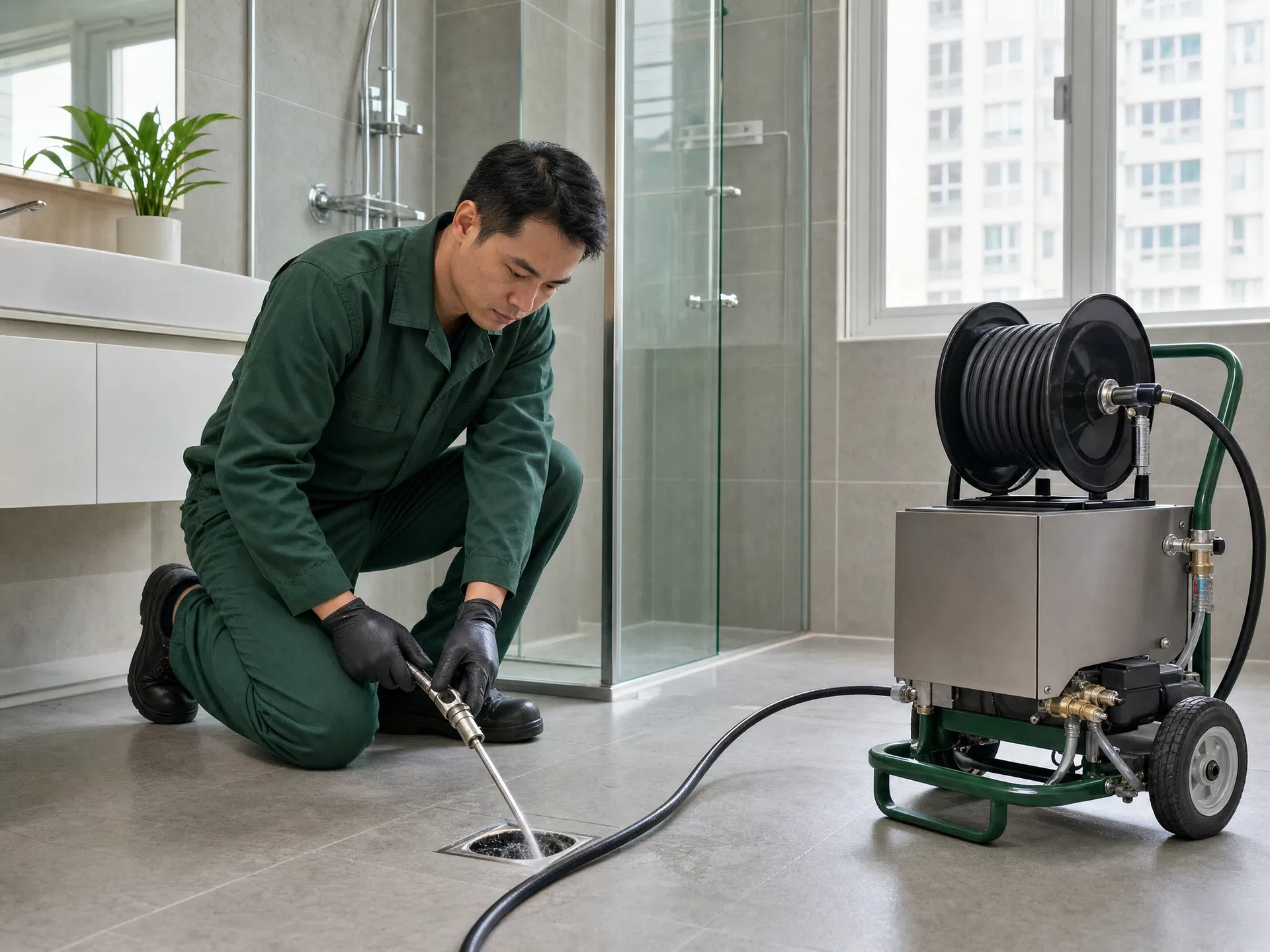
Air conditioners generate condensate water during cooling operations, discharging it outdoors or into building rainwater pipes. However, if drainage pipes become blocked, joint connections loosen, or reverse gradients occur, condensate water flows backward and seeps into indoor walls, causing wallpaper blistering, plaster peeling, and massive mould growth. This phenomenon is often mistaken for exterior wall seepage, but the root cause frequently lies in poor maintenance of the AC drainage system. Residents should regularly check whether AC drainage pipes flow smoothly; if water dripping or leakage around the indoor unit is found, the unit must be shut down immediately and inspected. In complex high-rise residential buildings, if drainage issues involve building public drainage pipes, checking for building drainage or drain unblocking needs becomes essential to prevent sewage or condensate from spreading to other structural parts.
To help residents clearly compare the signs, common causes, and recommended treatment solutions for various dampness and seepage sources, the following table summarizes common home humidity issues:
| Humidity Issue Sign | Main Visual Signs | Common Causes | Recommended Solution & Follow-up |
|---|---|---|---|
| Window Sills & Wall Corners Black Spots | Black or green mould spots on wall surfaces, accompanied by musty odors | Long-term high indoor relative humidity, condensation phenomena | Wipe with diluted bleach or anti-mould solution, use dehumidifiers to control humidity |
| AC Surrounding Wall Water Stains | Moist wall surfaces below AC, blistering and peeling plaster | AC drainage pipe blockage, joint leaks, or backflow | Arrange professional technicians for on-site inspection, drainage pipe cleaning, or repair |
| Kitchen/Bathroom Wall or Floor Seepage | Mouldy baseboards, hollow tiles, water stains on ceilings | Hidden pipe leaks, aging waterproofing layers, or floor seepage | Hire qualified contractors for water leak repair and localized waterproofing detection |
What Are the Troubleshooting Steps for Wall Seepage and Structural Dampness?
When wall mould is accompanied by large water stains or peeling plaster, it often exceeds general environmental humidity and involves structural leakage. When troubleshooting seepage, residents can follow these systematic steps for initial evaluation and documentation:
- Step 1: Observe and record the location, shape, and expansion speed of mould and water stains, taking photos for future explanation to professionals.
- Step 2: Check pipe connections near adjacent water pipes, bathtubs, washbasins, and kitchen sinks to confirm chronic dripping or seepage.
- Step 3: Turn off all household water valves and observe whether water meter dials still rotate to preliminarily judge hidden pipe leakage.
- Step 4: Refer to Hong Kong government guidelines, such as Buildings Department home maintenance tips, to understand common causes and coordination channels for building seepage.
- Step 5: If preliminary troubleshooting cannot identify the source, or involves complex exterior walls or upper-floor units, avoid drilling walls independently and seek reputable registered contractors for further testing.
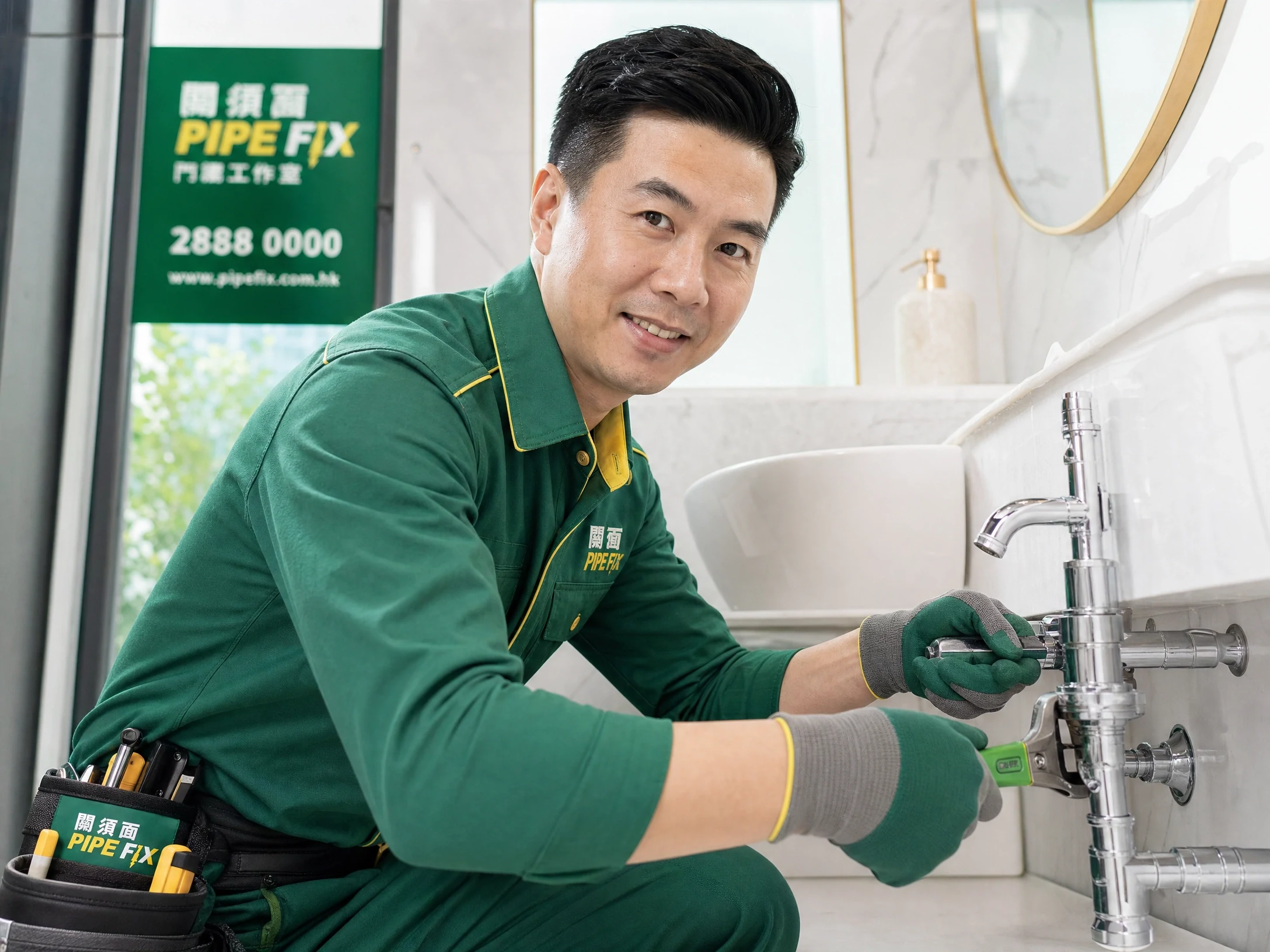
When dealing with severe wall leakage and structural repair, professional waterproofing engineering and subsequent masonry work are often required. If seepage stems from bathroom floor or exterior wall waterproofing failure, surface anti-mould sprays cannot cure the root, necessitating professional masonry teams to re-lay waterproofing layers and repair damaged walls thoroughly.
What Are the Safety and Regulatory Precautions When Hiring Qualified Professional Contractors?
When home mould and seepage issues exceed DIY capabilities, finding qualified contractors becomes a crucial decision. According to GovHK home maintenance and repair guidelines, residents should verify contractors' professional qualifications and reputation, avoiding unverified technicians. For projects involving structural safety or major alterations, relevant building regulations must be strictly followed. Professional contractors provide scientific testing instruments (such as infrared thermal imagers and moisture meters) for complex wall seepage, accurately identifying sources and formulating root solutions without unnecessary renovation expenses. Residents should also request clear quotations, work scopes, and warranty terms to ensure repair processes meet safety standards across all contracted phases.
According to Buildings Department water seepage guidelines, if public areas or exterior walls cause seepage, residents can coordinate through 1823 or building management offices, avoiding unauthorized exterior high-altitude work or unauthorized alterations. Maintaining rational communication and compliant repair workflows is vital for protecting personal rights, ensuring property integrity, and maintaining harmonious neighborly relations within residential estates.
Why Long-Term Moisture Accumulation Poses Serious Threats to Building Structures and Interiors
Beyond aesthetic blemishes and immediate health concerns, prolonged moisture accumulation compromises the structural integrity of residential buildings. Concrete structures exposed to constant dampness experience reinforcement bar corrosion, spalling, and loss of load-bearing capacity over time. In high-density urban environments like Hong Kong, where buildings endure high humidity and intense seasonal typhoons, timely identification of moisture ingress points is vital. Property owners must understand that minor surface treatments cannot substitute for comprehensive structural evaluations when dampness penetrates deep into masonry and concrete substrates.
Furthermore, interior furnishings such as built-in wardrobes, wooden flooring, and gypsum board partitions are highly susceptible to moisture damage. Wooden elements absorb ambient water vapor, leading to warping, swelling, and structural weakening that often necessitate complete replacement. Implementing proactive environmental controls, such as continuous monitoring of indoor relative humidity and ensuring adequate clearance between furniture and exterior walls, significantly mitigates these risks. Professional maintenance teams can evaluate the extent of material degradation and recommend targeted interventions before minor dampness develops into major structural failures.
How to Establish a Comprehensive Seasonal Maintenance Schedule for Hong Kong Properties
Establishing a structured seasonal maintenance schedule is essential for protecting Hong Kong homes from humidity and mould related damage throughout the year. Property owners should divide their maintenance calendar into distinct phases corresponding to local weather patterns. Prior to the onset of the spring rainy season and the humid Returning South period, comprehensive inspections of roof terraces, external walls, window frames, and air conditioning drainage systems should be conducted. Early detection of minor cracks, sealant degradation, or pipe blockages prevents extensive water penetration during heavy downpours.
During the humid summer months, daily operational habits play a pivotal role in managing indoor moisture levels. Residents should maintain consistent ventilation schedules when outdoor humidity drops, utilize high-capacity dehumidifiers strategically across different rooms, and inspect vulnerable areas such as bathroom corners and window sills weekly. As autumn and winter bring cooler and drier weather, property owners should take advantage of favorable atmospheric conditions to conduct deep cleaning, repaint moisture-damaged interior walls, and apply protective sealants to exterior masonry surfaces, ensuring the property remains resilient against upcoming seasonal cycles.
Which service guide is most relevant to the next step?
Use the following service guides to understand the scope that best matches the issue before deciding whether an inspection or quotation is appropriate:
- waterproofing service hong kong: a focused guide to the scope, safety considerations and contact route for this type of issue.
- aircon cleaning hong kong: a focused guide to the scope, safety considerations and contact route for this type of issue.
- water leak detection hong kong: a focused guide to the scope, safety considerations and contact route for this type of issue.
- drain unblocking hong kong: a focused guide to the scope, safety considerations and contact route for this type of issue.
- tiling service hong kong: a focused guide to the scope, safety considerations and contact route for this type of issue.
Official reference
Use the Housing Authority’s official guidance as a starting point when a housing, move-in or renovation decision affects a Hong Kong home.
About the author
FixNow Home Repair Editorial Team
Frequently asked questions
How should long-term indoor humidity exceeding 70% be handled?
When indoor humidity remains persistently high, it is recommended to keep doors and windows closed and use dehumidifiers to control humidity below 60%. Regularly clean AC filters, operate exhaust fans in bathrooms and kitchens, and seek professional maintenance when necessary.
Can wall mould spots be cleaned independently with bleach?
Minor surface mould spots can be wiped with diluted household bleach or specialized anti-mould agents. However, if mould is caused by wall seepage or AC drainage backflow, surface cleaning alone cannot cure the root cause, and the source must be found and repaired.
Can AC dripping or drainage pipe blockages cause mould growth?
Yes. If AC drainage pipes clog or joints loosen, condensate water seeps into surrounding walls, causing plaster blistering and mould. Residents should regularly clean air conditioners and check drainage systems, stopping use immediately upon spotting leaks.
How to distinguish whether wall mould is caused by indoor humidity or exterior wall seepage?
Mould caused by indoor humidity is typically widespread and uniform (e.g., window sills, corners, north-facing walls), whereas exterior or hidden pipe seepage usually accompanies localized water stains or peeling plaster. If uncertain, professional instrument testing should be arranged.
What should be noted before hiring contractors for waterproofing engineering?
Residents should refer to official home maintenance guidelines to verify contractors' registration qualifications and reputation, request clear written quotations, work scopes, materials, and warranty terms, avoiding unverified technicians to protect rights.
Who should be contacted for seepage and mould caused by building public areas?
If seepage is suspected to originate from public drainage pipes, roofs, or exterior walls, residents can contact the building management office or owners' corporation for coordination, or consult government 1823 hotline for joint office follow-up procedures.