Mould Prevention
Mould Prevention & Removal Guide for Hong Kong's Humid Climate
Published: 2026-04-20 · Updated: 2026-07-10 · 5 min read
TL;DR
Hong Kong's humid climate breeds mould! Complete guide to causes, health risks, DIY removal methods, and professional anti-mould treatment — with cost reference. Use the practical checkpoints below to separate a low-risk next step from work that needs a qualified professional. Keep a written record of the scope, timing and any change agreed on site.
Quick decision checklist
| Situation | Safe first action | Before you book |
|---|---|---|
| Active leak, heat, burning smell or repeated tripping | Isolate the affected area only when safe | Describe the symptom, location and urgency in writing |
| Routine maintenance | Record model, age and last service | Confirm scope, consumables and warranty |
| Uncertain cause | Photograph the symptom and avoid repeated DIY attempts | Ask for diagnosis before approving replacement work |
Visual repair guide
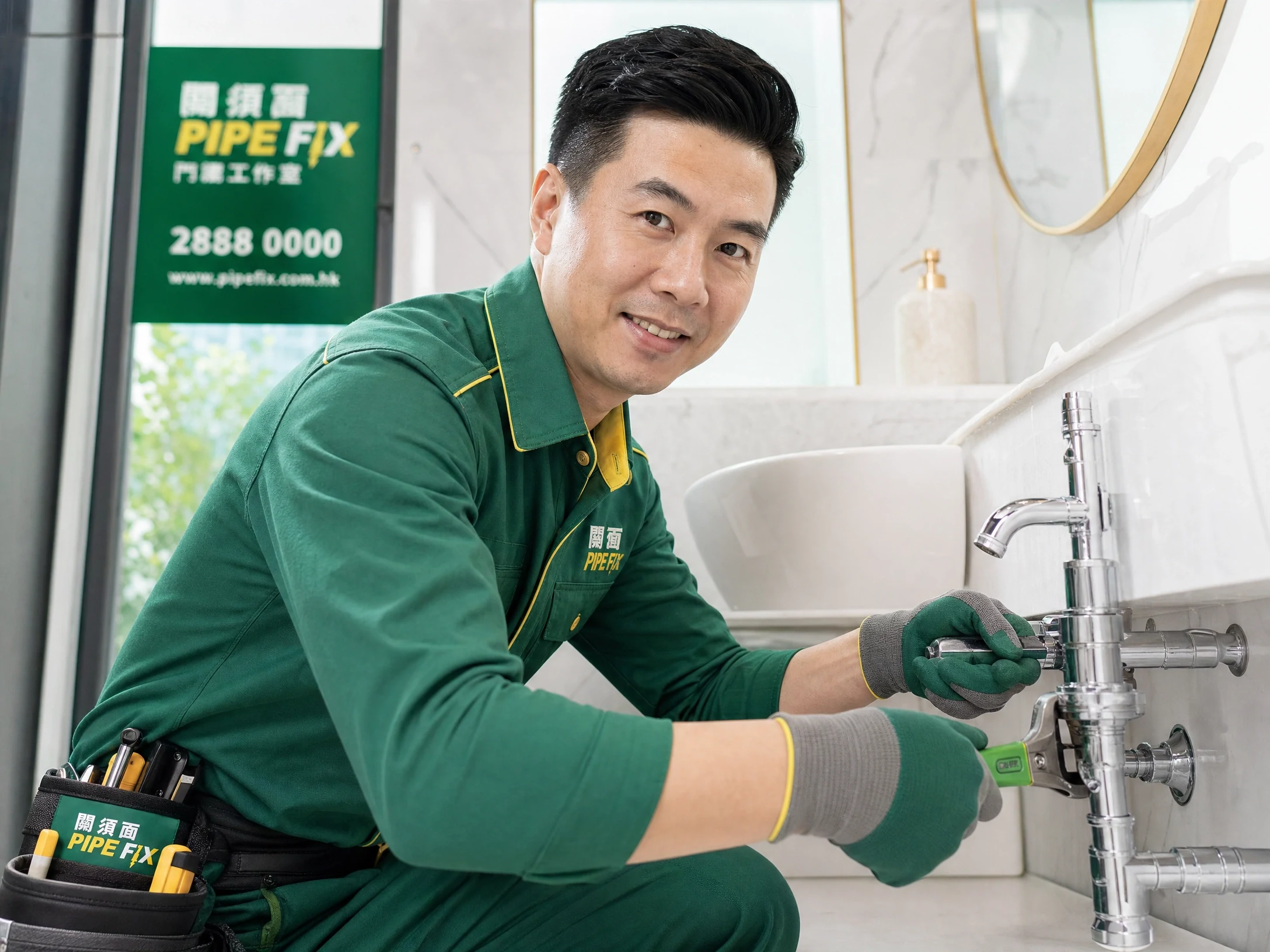
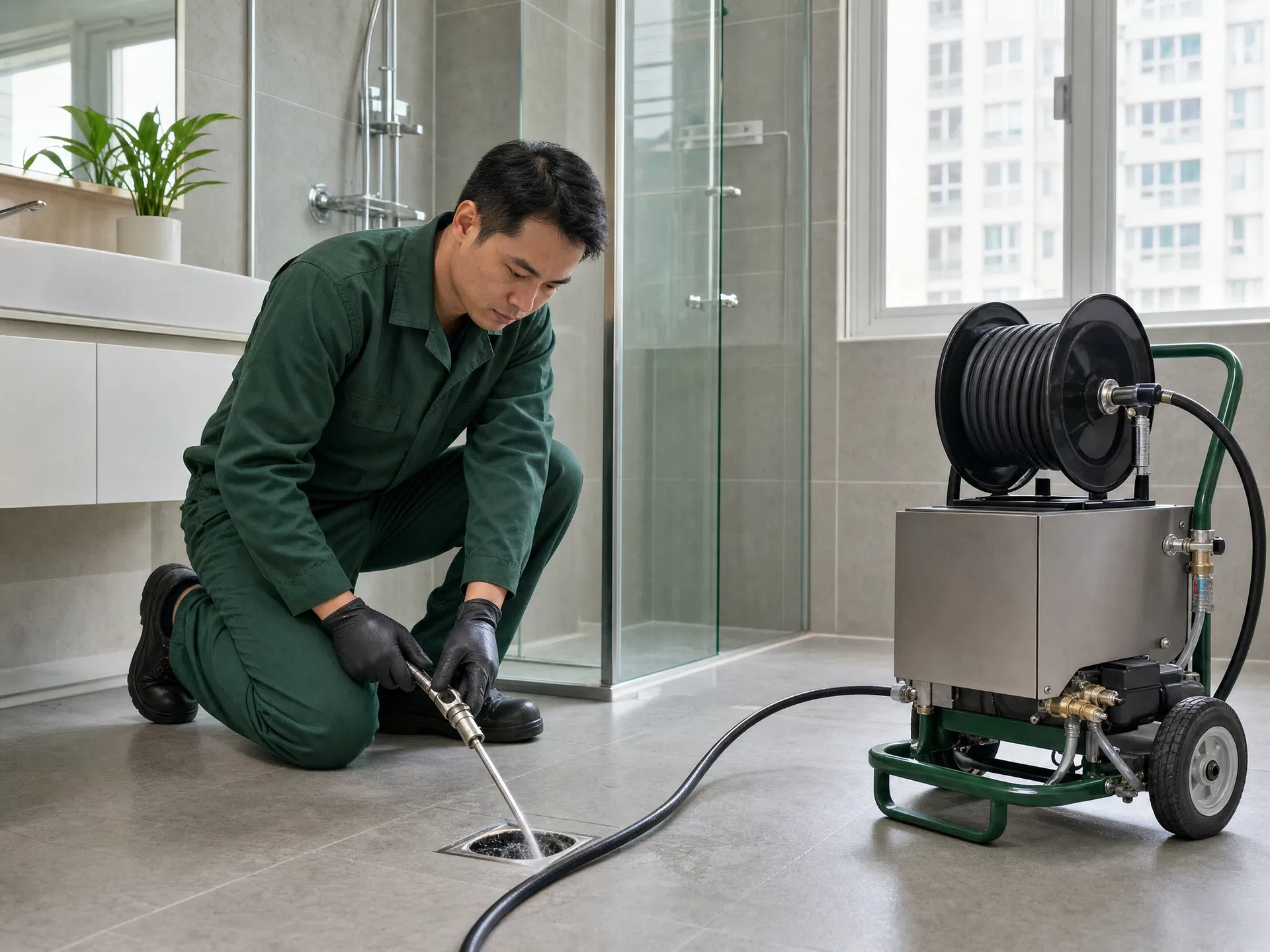
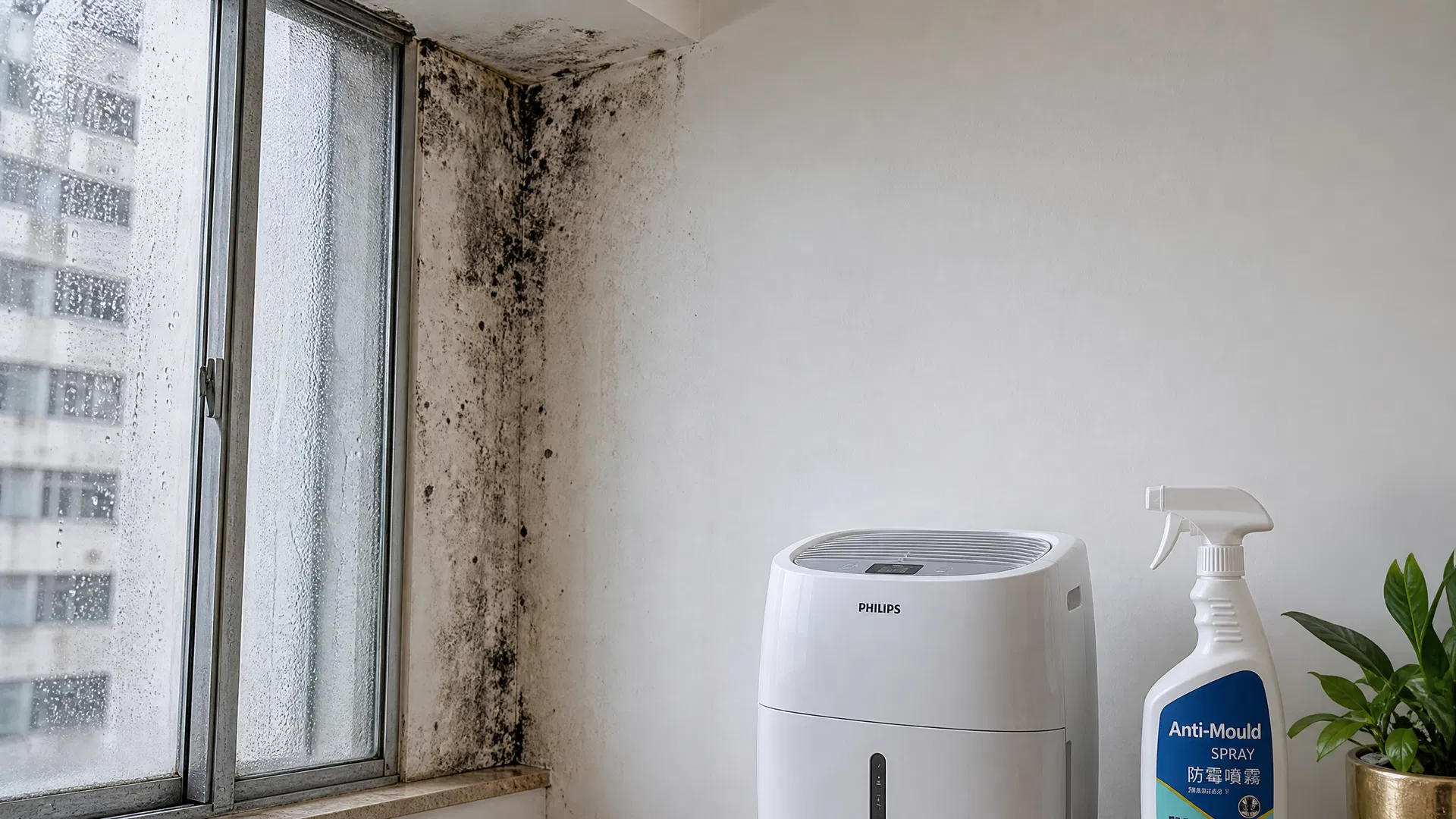
Hong Kong's subtropical location means that during the 'Return of Southern Moisture' period (March-May) and the rainy season (June-September), indoor relative humidity frequently exceeds 80%, creating perfect conditions for mould growth. According to research by the University of Hong Kong's School of Public Health, over 60% of Hong Kong households have experienced mould problems of varying severity, and prolonged exposure can cause respiratory diseases, allergic reactions, and worsened asthma. This comprehensive guide covers mould causes, prevention, and treatment solutions.
Why Is Hong Kong Particularly Prone to Mould?
Mould needs three conditions to grow: moisture, warmth, and organic matter. Hong Kong's climate perfectly satisfies all three — high humidity provides moisture, year-round warmth provides suitable temperature, and wall paint, wood, and fabrics serve as mould 'food'. During the Return of Southern Moisture period, warm humid outdoor air contacts cooler indoor walls and floors, producing condensation — the trigger for mould outbreaks. According to the Observatory, Hong Kong's annual average relative humidity is 78%, rising above 95% during moisture return periods.
Health Effects of Mould
Many people think mould is merely cosmetic, but its health impacts are significant. The World Health Organization (WHO) states that indoor mould exposure can cause: upper respiratory infections (nasal congestion, runny nose, sore throat), allergic rhinitis and conjunctivitis, skin allergies and worsened eczema, increased asthma attack frequency, and lung infections in immunocompromised individuals. Children, elderly, and those with chronic conditions are particularly vulnerable. If household members frequently experience these symptoms at home but improve when going out, mould is likely the cause.
Common Mould Locations in Hong Kong Homes
Based on FixNow's repair experience, the most common mould locations in Hong Kong homes include: bathroom ceilings and wall corners (highest humidity), window edges and sills (condensation points), wardrobe interiors and back panels (poor ventilation), mattress undersides and bed frames (accumulated body moisture), areas near kitchen range hoods (grease plus humidity), and around air conditioner vents (temperature differential condensation). Knowing these high-risk locations helps you focus prevention efforts.
| Mould Location | Main Cause | Severity | Recommended Treatment |
|---|---|---|---|
| Bathroom ceiling/corners | Sustained high humidity + poor ventilation | High | Anti-mould paint + exhaust fan |
| Window edges/sills | Condensation + poor sealing | Medium-High | Dehumidify + re-seal |
| Wardrobe interior | Poor ventilation + clothing moisture | Medium | Desiccants + regular airing |
| Mattress underside | Body moisture + non-breathable | Medium | Breathable bed frame + regular flipping |
| Around AC vents | Temperature differential condensation | Medium | Regular cleaning + insulation |
| External wall seepage | Failed waterproofing | Critical | Professional waterproofing |
DIY Mould Removal Methods
Mild mould can be treated yourself. Here are several effective DIY methods: **Bleach method** — mix bleach and water at 1:99 ratio, spray on mouldy areas, wait 15-20 minutes, wipe with a damp cloth, then dry. Wear gloves and ventilate well as bleach is corrosive. **White vinegar method** — spray white vinegar directly on mould, wait one hour, then scrub away. Suitable for those avoiding chemicals. **Tea tree oil method** — add 10 drops of tea tree essential oil to 500ml water, spray on mouldy areas for natural antibacterial action with a fresh scent.
Professional Anti-Mould Treatment
If mould covers more than one square metre, has penetrated wall interiors, or keeps recurring despite treatment, professional help is needed. Professional anti-mould treatment typically includes: deep mould removal (industrial-grade agents), wall restoration (removing damaged plaster and re-patching), anti-mould primer (forming a protective barrier), and anti-mould topcoat (paint with anti-fungal agents). Costs: localised treatment (one wall) ~$2,000-$5,000; whole-house treatment ~$8,000-$20,000, depending on area and severity.
Daily Habits to Prevent Mould
Prevention is always better than cure. Effective daily habits include: maintaining indoor ventilation (open windows at least 30 minutes daily), using a dehumidifier (keep humidity below 60%), running the bathroom exhaust fan for at least 30 minutes after use, ensuring clothes are completely dry before storing in wardrobes, regularly cleaning AC dust filters, and avoiding indoor clothes drying. During moisture return periods, close south-facing windows to reduce warm humid air entering.
Anti-Mould Design During Renovation
If you're planning a renovation, incorporate anti-mould measures from the design stage: choose anti-mould paint (e.g., Nippon Odour-less anti-mould formula), ensure bathroom walls have adequate waterproofing (at least 1.8m high), install sufficient exhaust equipment, design wardrobes with ventilation gaps, select moisture-resistant boards (e.g., Marine Plywood), and consider a whole-house fresh air system. These upfront investments significantly reduce future mould problems. OmniFix Decoration considers moisture and mould prevention needs from the design stage, ensuring long-term dry and comfortable living environments.
Common Anti-Mould Products Comparison
The market offers many anti-mould products with varying effectiveness. Here's a comparison: desiccants (bamboo charcoal bags, silica gel) suit small spaces like wardrobe drawers but have limited effect on whole rooms; anti-mould sprays (e.g., Mould Off) kill surface mould but can't prevent recurrence; anti-mould paint (e.g., Dulux anti-mould formula) provides long-term protection but requires repainting; dehumidifiers are the most effective overall solution but need continuous operation and regular tank emptying. We recommend combining multiple methods based on your situation.
Conclusion: Mould Prevention Is a Long-Term Battle
In Hong Kong's high-humidity environment, mould prevention isn't a one-time task but a sustained lifestyle habit. From daily ventilation and dehumidification to regular inspection of high-risk areas and anti-mould renovation design — every step matters. If you're already facing severe mould problems or want to plan anti-mould measures during renovation, contact us. OmniFix Decoration offers professional anti-mould renovation design, and FixNow provides immediate mould removal and treatment services. WhatsApp free consultation: 9290 2652.
Official reference
For Hong Kong electrical, gas and mechanical-safety guidance, consult the official EMSD resource before making a safety-critical decision.
About the author
OmniFix × FixNow Anti-Mould Expert Team
Frequently asked questions
Can I just paint over mouldy walls?
Absolutely not! Painting over mould only temporarily hides it — mould continues growing beneath the paint and resurfaces within months, often worse. You must thoroughly remove mould first, let the wall dry completely, then apply anti-mould primer and topcoat.
What capacity dehumidifier should I choose?
General recommendation by room size: under 200 sqft use 12L/day, 200-400 sqft use 16-20L/day, over 400 sqft use 25L/day or above. If your home is particularly damp or has seepage, go one size up. Check the energy label — Grade 1 efficiency saves electricity long-term.
Should I open or close windows during moisture return periods?
Close south-facing windows during moisture return periods, as warm humid southerly air contacting cold walls causes condensation. You can open north-facing windows or use exhaust fans for air circulation while running a dehumidifier to control humidity.
How to handle mouldy wardrobes? Are the clothes still wearable?
Remove all clothes first, clean wardrobe interior with bleach or white vinegar, and let it dry completely before adding desiccants. Mould-contaminated clothes need washing in water above 60°C or dry cleaning. If mould stains can't be removed, discard them.
My bathroom ceiling keeps getting mouldy — is there a permanent solution?
Recurring bathroom ceiling mould is usually due to insufficient ventilation and aged waterproofing. Long-term solutions include: installing a powerful exhaust fan (150mm+ recommended), redoing ceiling waterproofing with anti-mould paint, and habitually running the exhaust fan for 30 minutes after each use.
Can newly renovated homes get mouldy too?
Yes! Newly renovated homes can get mouldy if ventilation is insufficient, walls haven't fully dried before move-in, or waterproofing/anti-mould treatment wasn't done properly during renovation. We recommend ventilating for at least two weeks after completion before moving in, and ensuring all waterproofing has passed water testing.