Move-In Home Repair Checklist: Essential Inspection Guide
Move-In Home Repair Checklist: Essential Inspection Guide
Published: 2026-08-15 · Updated: 2026-08-15 · 8 min read

TL;DR
Check your new home in 30 minutes. Learn safety boundaries, DIY tests, and when to hire professional home repair or lock services today! Use the practical checkpoints below to separate a low-risk next step from work that needs a qualified professional. Keep a written record of the scope, timing and any change agreed on site.
Planning decision checklist
| Stage | Action today | Confirm before proceeding |
|---|---|---|
| Scope | Write down the outcome you need | What is included, excluded and contingent |
| Time | Set a realistic milestone sequence | Access, approvals and disruption constraints |
| Cost | Compare like-for-like quotations | Payment stage, variation process and warranty |
Visual repair guide
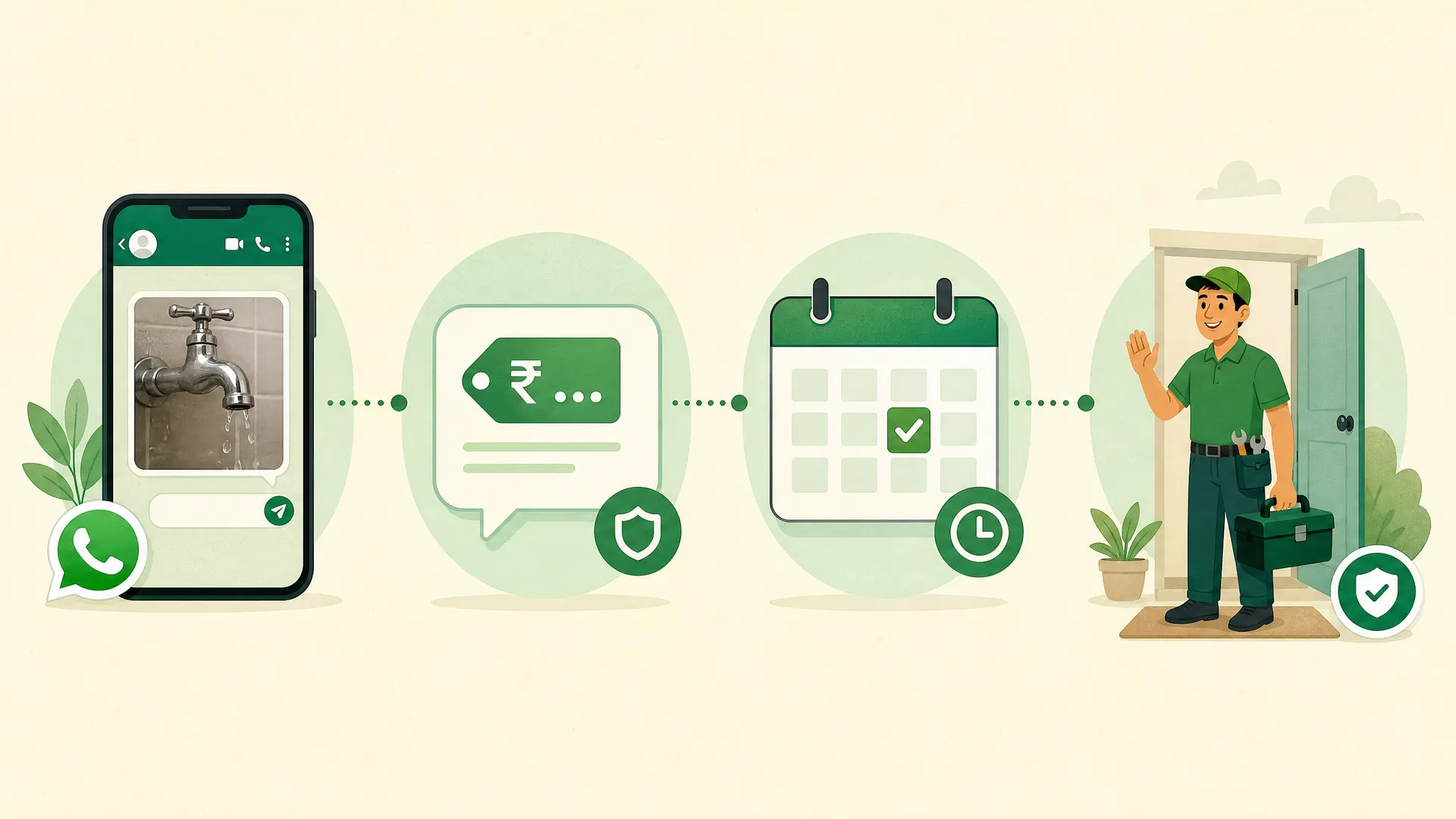
Conducting a comprehensive and thorough facility inspection before moving into a new residential home is absolutely crucial for ensuring absolute family safety and preventing future disputes. This article directly answers key move-in inspection essentials, clearly defines safety boundaries for DIY versus professional handling, and previews systematic check steps for plumbing, electricity, windows, and air conditioning to help you settle in smoothly without unexpected complications or hidden hazards.
Before receiving new keys or planning relocation, residents often rush into placing large furniture or selecting decorations while neglecting hidden structural and basic utility issues. According to the GovHK Home Maintenance and Repair guidelines, regular inspection and proper maintenance of property facilities effectively prevent severe water seepage or electrical failure risks later on.
Why is a Comprehensive Repair Inspection Essential Before Moving In?
Many homeowners or tenants assume that a newly renovated or freshly handed-over property is entirely flawless, yet construction remnants or previous wear-and-tear should never be overlooked. Discovering issues early not only reduces post-move stress but also clarifies responsibility boundaries, avoiding unnecessary extra expenses and mental distress during the relocation period.
Through a systematic inspection checklist, residents can quickly assess the operational status of core home facilities within a short timeframe. This is particularly important for first-time buyers or residents moving into older buildings, as early screening prevents minor issues from escalating into costly emergency repairs, ensuring peace of mind from day one of your new tenancy.
In the fast-paced living environment of Hong Kong, many individuals overlook hidden defects during property handover. Whether dealing with public housing or private estates, concealed engineering such as aging internal wiring or faulty pipe connections often surfaces only weeks after moving in. Therefore, the golden pre-move-in inspection period should never be skipped under any circumstances.
Furthermore, conducting an independent preliminary assessment allows new occupants to negotiate timely rectifications with developers or previous owners before signing final acceptance documents. Protecting your financial interests and physical safety begins with meticulous attention to detail during this crucial initial phase.
Taking time to thoroughly evaluate every room prevents small, manageable defects from transforming into major structural headaches after your furniture is already in place. Proactive evaluation is the cornerstone of comfortable and secure long-term habitation in any newly acquired property.
How to Complete Electrical and Plumbing Safety Checks Within 30 Minutes?
Electrical and plumbing safety is the top priority during a move-in inspection, and any tasks involving high-voltage electricity or main water pipes must strictly adhere to safety boundaries. Residents can first test whether all power sockets function properly and observe light switches for abnormal flickering or tripping to ensure stable power supplies across all rooms.
If frequent circuit tripping or electrical instability is detected, do not attempt to dismantle the distribution board yourself or arbitrarily replace high-power fuses; instead, seek professional electrical repair services for testing. Meanwhile, kitchen and bathroom faucets, drainage outlets, and toilet perimeters should undergo drip testing to ensure smooth drainage and no chronic leakage.
During water route testing, water pressure stability should also be checked while observing connection points around water heaters and intake valves for any water droplets. These details are crucial indicators for determining whether internal water pipes need immediate repair or replacement, preventing severe indoor flooding and structural damage.
It is also wise to inspect drainage pipes beneath sinks to ensure U-traps are correctly installed and filled with water, which effectively blocks unpleasant odors and harmful sewer gases from entering your living space. Regular testing guarantees both environmental hygiene and optimal hydraulic performance throughout your apartment.
Checking water shut-off valves in kitchens and bathrooms ensures that you can quickly isolate water supplies in case of future plumbing emergencies. Knowing where emergency valves are located provides an immediate safeguard against catastrophic water damage.
What Are the Key Inspection Steps for Windows, Air Conditioning, and Furniture?
Checking whether doors and windows open smoothly and locks fasten securely is directly related to home security and daily privacy. If a latch sticks or a door frame warps, timely lock replacement or hardware adjustment should be scheduled to ensure complete household security, allowing family members to live with absolute peace of mind.
Additionally, the cooling performance and drainage of air conditioners during hot weather must not be ignored. Testing units and arranging cleaning before moving in effectively removes internal dust and bacteria, while routine maintenance is sustained through regular air conditioning cleaning, which extends equipment lifespan significantly and maintains fresh indoor air.
Besides windows and air conditioning, inspecting walls and ceilings is equally important. If water stains appear near windows or peeling occurs in corners, tracing whether the source originates from external wall seepage or failed window waterproofing is essential, rather than simply covering issues with paint to avoid delayed treatment and escalating repair costs.
Checking built-in cabinetry and wardrobe hinges for smooth movement and secure wall anchoring prevents unexpected tipping hazards, especially in households with young children or pets. Ensuring structural stability for all mounted furniture is a fundamental step in pre-move-in safety preparations.
Examining tile flooring for hollow spots or cracked grouting helps prevent localized tile uplifting later on. Identifying these flooring imperfections early allows for prompt localized repairs before heavy furniture placement complicates remedial work.
How Do Common Pre-Move-In Repair Items and DIY Limitations Compare?
When facing various property defects, residents often choose between handling tasks themselves or hiring professional technicians. The following table details the nature, suitable scope, and DIY limitations of common pre-move-in repair items to guide your decisions effectively.
| Repair Item | Main Scope of Work | Suitable for DIY | Professional Scope & Limits |
|---|---|---|---|
| Doors & Windows | Check window hinges, screws, and lock switches | Apply lubricant, tighten visible screws | Damaged lock cylinders, warped aluminum windows requiring lock replacement |
| AC & Appliances | Test cooling, clean filters, and check drainage | Clean removable dust filters | Insufficient refrigerant, internal circuits, and professional air conditioning cleaning |
| Plumbing & Drains | Test water pressure, check faucets and valves | Replace shower heads, clear drain strainers | Concealed pipe leakage, distribution board failure |
| Walls & Tiles | Inspect minor wall cracks and tile hollows | Small-scale putty patching, gap filling | Large-scale hollow tiles, whole house renovation or plastering |
Through the comparison in the table above, residents can clearly understand which tasks fall within personal DIY capabilities and which must be entrusted to professionals. Sensible boundary demarcation not only saves money but also eliminates potential safety hazards, safeguarding living quality across every residential corner.
A Practical Checklist Before Moving In and Major Renovations
To ensure a well-organized move-in process, residents can follow this step-by-step checklist for comprehensive inspection and recording:
1. Inspect the main circuit breaker and branch switches, testing all power sockets and lighting fixtures for normal operation.
2. Test water inflow, outflow, and drainage speed across all faucets, bathtubs, washbasins, and toilets.
3. Open and close all windows and main doors one by one, checking hinge stability and lock flexibility.
4. Test run air conditioners and range hoods, observing for abnormal noise or drainage backflow.
5. Evaluate walls, flooring, and ceilings throughout the house, planning minor works when necessary.
After completing each test item in the step-by-step checklist above, it is recommended to photograph and document all identified issues. This not only facilitates negotiations with landlords or developers but also provides accurate reference data for subsequent renovation or local repairs.
When Should You Seek Professional Home Repair and Engineering Assistance?
When inspection reveals issues beyond personal capability, avoid blind attempts to fix them, as this may expand damage or create safety hazards. For instance, when dealing with main electrical systems, structural water seepage, or major modifications, qualified professional teams should be engaged.
When planning broader improvement projects, reasonable budgets and professional coordination are vital. If a property requires thorough refurbishment, consulting whole house renovation services early ensures smooth scheduling while balancing aesthetics and structural safety, allowing your new home to shine ideally.
Professional teams possess advanced diagnostic equipment and extensive construction experience, enabling them to quickly identify deep-seated root causes of failures. Instead of blindly attempting high-risk repairs yourself, entrusting professional tasks to reliable experts saves time and enhances safety.
Furthermore, commercial and residential engineering projects require adherence to local building regulations and safety standards. Engaging licensed technicians guarantees that all completed works comply with statutory requirements, protecting you from future legal liabilities or insurance disputes.
How to Reference Official Guidelines to Ensure Long-Term Property Facility Safety?
According to the official drainage maintenance guidelines from the Buildings Department, residents should regularly inspect U-traps and drainage pipelines to prevent odor transmission and pathogen spread caused by dryness or damage. Such official recommendations provide reliable scientific backing for routine maintenance.
Beyond pipe maintenance, residents can also consult comprehensive home maintenance information published by GovHK to understand how to identify potential structural risks. Combining professional advice with official guidelines ensures your home remains durable and safe for years to come, providing carefree living quality.
Which service guide is most relevant to the next step?
Use the following service guides to understand the scope that best matches the issue before deciding whether an inspection or quotation is appropriate:
- home repair hong kong: a focused guide to the scope, safety considerations and contact route for this type of issue.
- handyman hong kong: a focused guide to the scope, safety considerations and contact route for this type of issue.
- locksmith hong kong: a focused guide to the scope, safety considerations and contact route for this type of issue.
- aircon cleaning hong kong: a focused guide to the scope, safety considerations and contact route for this type of issue.
- public housing renovation hong kong: a focused guide to the scope, safety considerations and contact route for this type of issue.
Official reference
Use the Housing Authority’s official guidance as a starting point when a housing, move-in or renovation decision affects a Hong Kong home.
About the author
FixNow Home Repair Editorial Team
Frequently asked questions
What tools are needed to inspect water and electricity before moving in?
Residents can prepare a small socket tester, flashlight, bucket, and plastic bags. A socket tester checks socket power, while a bucket tests basin and toilet drainage speed. For complex circuit tests or concealed pipe checks, avoid DIY dismantling and seek qualified professionals.
How should one handle stiff windows or loose locks before moving in?
If window hinges or screws are slightly loose, residents can tighten them and apply lubricant. However, if window frames warp significantly, lock cylinders break, or security is compromised, professional repair or lock replacement must be arranged to ensure home safety.
Is it necessary to clean air conditioners immediately before moving in?
Yes, dust and bacteria left by previous occupants can affect indoor air quality. Testing and cleaning units before moving in ensures cooling efficiency and clean air. If units lack cooling or leak refrigerant, professional technician service is required.
How to determine whether minor home defects need DIY repair or a renovation company?
Minor surface cracks, wall scratches, or replacing shower heads can be handled via DIY. However, for large-scale plaster peeling, structural wall modifications, or full renovations, professional teams should evaluate and plan comprehensive engineering.
What special precautions apply to drainage systems when moving into older buildings?
Older buildings' drainage pipes and U-traps may age or dry out. Residents should check drainage outlets for odors or backflow and regularly add water to keep U-traps functional. For severe clogs or leaks, avoid harsh chemicals and seek professional help.
How to coordinate with building management when severe water seepage is found during move-in?
If obvious water seepage is found on ceilings or corners, take photos immediately and report to building management or the incorporation to check common pipe issues. According to official guidelines, residents can also review government seepage investigation procedures.