Old Flat Electrical Safety Guide: 5 Signs Not to DIY
Old Flat Electrical Safety Guide: 5 Signs Not to DIY
Published: 2026-08-15 · Updated: 2026-08-15 · 8 min read
TL;DR
Old flat electrical systems pose overload risks. Discover 5 dangerous signs to not DIY, safety boundaries, and tips. Book professional repairs! Use the practical checkpoints below to separate a low-risk next step from work that needs a qualified professional. Keep a written record of the scope, timing and any change agreed on site.
Planning decision checklist
| Stage | Action today | Confirm before proceeding |
|---|---|---|
| Scope | Write down the outcome you need | What is included, excluded and contingent |
| Time | Set a realistic milestone sequence | Access, approvals and disruption constraints |
| Cost | Compare like-for-like quotations | Payment stage, variation process and warranty |
Visual repair guide
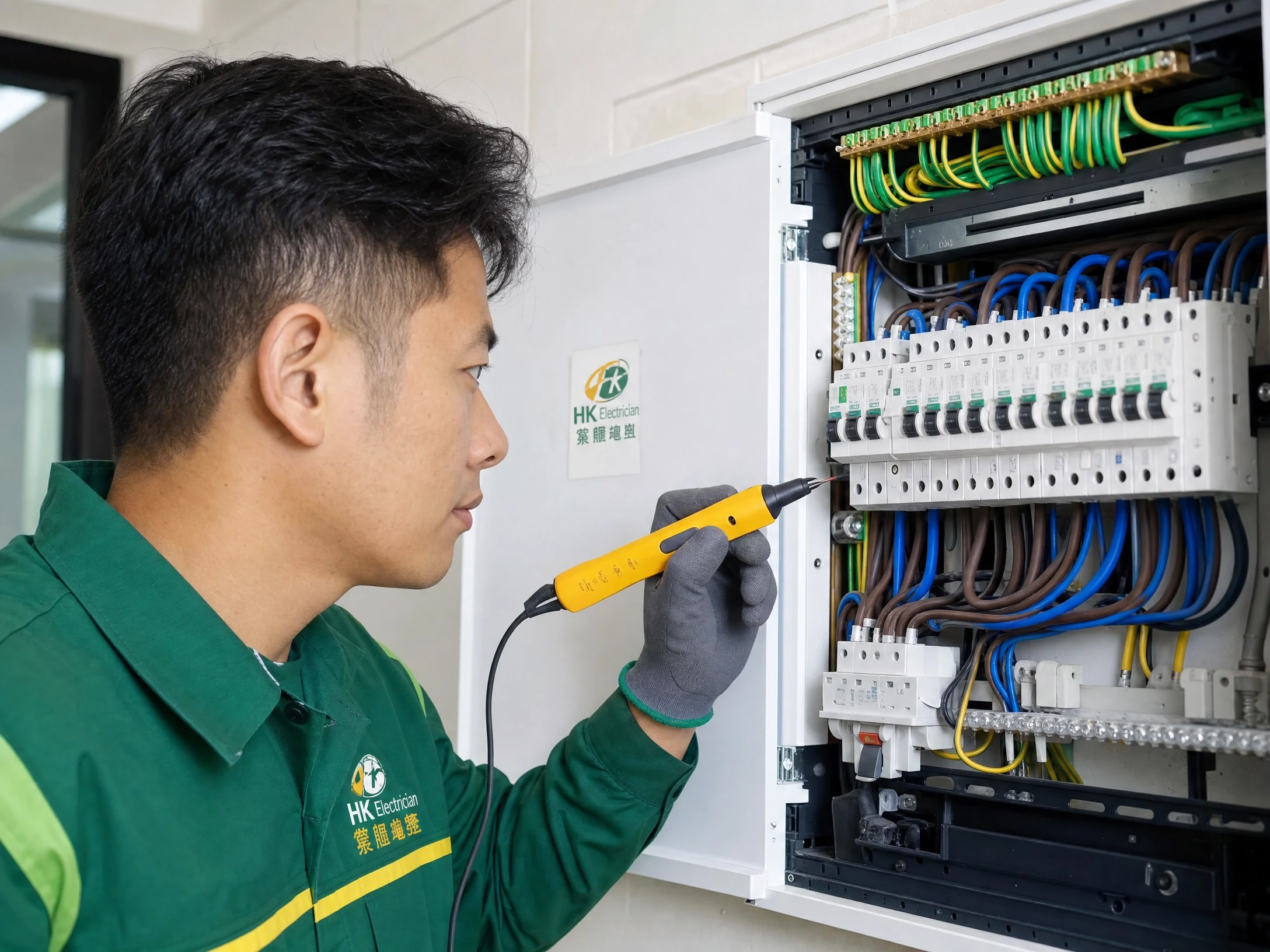
Electrical systems in older buildings frequently experience aging and capacity overload due to prolonged usage, meaning residents must avoid DIY disassembly when encountering anomalies. This guide establishes safety boundaries, outlines five dangerous signs, and details professional inspection steps.
Within dense urban environments, electrical safety in older properties directly impacts life and property. Many residents lack professional knowledge during sudden electrical failures, often compounding risks through incorrect operations. Following this guide helps establish reliable judgment standards and daily safety habits.
Facing aging grids and increasing appliance demands, proper electricity management becomes crucial. Understanding hidden hazards minimizes sudden breakdowns and prevents electrical fires. The following sections explore structural issues and key prevention rules.
As residential properties age across Hong Kong districts, electrical infrastructure deteriorates gradually beneath surface plaster. Recognizing early warning signs of electrical failure is essential for every homeowner and tenant living in older tenement buildings.
Modern domestic appliances draw significantly higher currents than equipment manufactured decades ago. Consequently, legacy wiring configurations in historical residential blocks struggle to cope with contemporary electrical loads safely.
Comprehensive preventive inspections help mitigate catastrophic hazards before they endanger occupants within densely populated urban environments.
What are the common hidden risks in old flat electrical systems?
Early completed buildings were never designed to handle modern household high-power demands, making simultaneous appliance usage prone to overloads. Aging wire insulation gradually becomes brittle and peels off, increasing leakage and short-circuit risks. Residents should regularly inspect switches and distribution boxes.
When circuits remain overloaded for extended periods, hidden cables inside walls can accelerate degradation due to excess heat. This not only damages appliances but can also trigger fires without warning. Understanding these potential threats is the essential first step to safety.
Beyond wiring aging, outdated distribution box protection devices often fail to meet modern safety standards. Many tenement buildings still rely on obsolete fuses lacking sensitive leakage protection. Facing these structural hazards, residents must remain vigilant and seek professional evaluations.
Humid climate conditions also accelerate metal conductor oxidation and corrosion, especially around kitchens and bathrooms. Water intrusion into electrical equipment easily causes micro short-circuits, triggering intermittent tripping or switch failures. These hidden issues are hard to spot visually and require professional testing instruments.
Furthermore, previous unauthorized renovations by past owners may have introduced mismatched wiring gauges and sub-standard connections. Such hidden modifications violate electrical safety codes and create persistent hidden dangers throughout the entire residential unit.
Without thorough investigation by certified professionals, hidden structural faults inside walls can remain undetected until a major electrical breakdown occurs, threatening building occupants unexpectedly.
Residents should remain extremely cautious about flickering lights and unexplained power fluctuations, as these symptoms frequently indicate loose main connections inside distribution conduits.
Proactive monitoring of electrical distribution infrastructure ensures that hidden degradation is addressed before sudden electrical failures disrupt daily domestic routines.
Why frequent tripping and panel heating should not be ignored?
One of the most common warning signs in daily life is circuit breaker tripping, typically serving as a self-protection mechanism against overloads. If this occurs frequently, simply resetting the master switch is inadequate, and root causes must be thoroughly investigated.
Another critical warning sign is panel or socket heating, usually indicating poor contact or excessive current. When switch surfaces feel unusually warm to the touch, residents should immediately cease usage and arrange inspections.
According to official maintenance guidelines, electrical equipment exhibiting abnormal heating or burning smells must be taken out of service immediately. Ignoring these minor warnings is a primary cause of severe electrical accidents, so complacency must be avoided.
When master switches trip repeatedly, it often signifies degraded insulation performance or loads exceeding rated limits. Forcibly taping switches open or repeatedly resetting them accelerates overheating, melts wire insulation, and can trigger catastrophic fires.
Thermal imaging and professional circuit load testing can reveal hidden resistance spikes before they result in catastrophic failures. Residents must pay close attention to unusual buzzing sounds emanating from switchboards or wall outlets.
Continuous thermal stress weakens conductor joints over time, increasing electrical resistance and generating localized hotspots. Ignoring these thermal indicators dramatically raises the probability of spontaneous electrical ignition behind walls.
Electrical panels showing discoloration or scorch marks require immediate professional intervention by certified technicians to prevent full-scale electrical fires from erupting within domestic premises.
Regularly checking breaker box temperature profiles provides an effective layer of early defense against invisible electrical hazards in aging properties.
Step-by-Step Inspection and Response Checklist
- Step 1: Observe abnormal phenomena and disconnect relevant appliance power without touching exposed wires.
- Step 2: Check the distribution box status to confirm whether single appliance overloads caused tripping.
- Step 3: Record tripping frequency and affected zones while avoiding oversized fuse replacements.
- Step 4: Entrust qualified electricians with socket installation or rewiring projects according to codes.
- Step 5: Contact professional teams for comprehensive electrical testing and electrical repair services.
Which electrical issues and repairs are unsuitable for DIY?
Many citizens attempt component replacements to save costs, but electrical repairs involve high professional expertise and shock risks. Non-professionals must never open distribution boxes or repair main circuits to prevent fatal accidents.
For instance, socket installation or modifying internal wall wiring must be executed by licensed electricians complying with regulations. Unauthorized wiring violates electrical codes and creates long-term short-circuit hazards.
When facing complex circuit failures, seeking 24-hour repair services is the fastest path to safety. Professional technicians possess proper testing equipment to locate core issues and execute safe repairs.
Executing high-voltage repairs without protective gear or insulation meters is extremely dangerous. Live dismantling easily triggers arc flashes or severe electric shocks, posing grave threats to families.
Moreover, DIY electrical modifications often void home insurance policies and fail statutory building inspection requirements. Always prioritize professional competence over temporary cost savings when dealing with high-voltage electricity.
Improper handling of live circuits can result in severe electrocution, permanent injury, or sudden fatality. Professional electricians undergo rigorous training and use specialized insulated tools to eliminate these fatal risks.
Attempting amateur repairs on complex distribution systems frequently leads to compounded damage and significantly higher eventual rectification costs for property owners.
Engaging certified professionals guarantees adherence to stringent safety regulations and provides accountable workmanship backed by industry standards.
Old Flat Electrical Comparison and Treatment Table
| Inspection Item | Common Old Flat Sign | Safety Risk Assessment | Treatment Recommendation |
|---|---|---|---|
| Wiring Aging | Insulation hardening | High shock and short risk | Arrange professional electrical repair |
| Socket Heating | Overload scorching | Fire hazard potential | Cease usage and inspect immediately |
| Frequent Tripping | Master switch trip | Internal circuit hazard | Seek Kowloon electrical repair |
| Panel Sparks | Poor internal contact | Shock and burn risk | Stop usage and report immediately |
How to prevent short circuits through safety checks and repairs?
Prevention surpasses cure; regular comprehensive checks on home electrical systems effectively reduce sudden failure rates. Residents can follow official home safety guidelines to build robust inspection habits.
For properties located in Kowloon, engaging local Kowloon electrical repair teams ensures faster response times. Local masters familiar with old flat structures can provide practical renovation solutions.
In daily life, avoid plugging multiple adapters into single sockets. Reasonably distributing power loads of large appliances is key to extending old wire lifespan and maintaining safety.
Additionally, inviting professionals to measure circuit insulation resistance early detects hidden leakage risks. Systematic testing and preventive maintenance ensure stable power network operation across all residential sectors.
Upgrading outdated switchboards with modern residual current devices provides critical defense against electrical shocks. Proactive safety investments significantly enhance the long-term market value and safety of older residential properties.
Establishing routine inspection schedules helps identify minor component wear before it escalates into expensive emergency repairs or dangerous electrical fires.
Cooperating with qualified building contractors ensures that all communal and individual electrical upgrades adhere strictly to statutory safety regulations and engineering standards.
Maintaining meticulous records of past electrical inspections and repairs facilitates future troubleshooting and enhances overall property management efficiency.
When should you seek professional electrical repair and emergency support?
When sudden burning odors, sparks, or total blackouts occur at home, this constitutes an emergency safety incident. Do not hesitate; seek 24-hour repair support immediately to control the situation safely.
Professional technicians conduct troubleshooting under safe conditions and provide code-compliant repair solutions. Systematic testing thoroughly eliminates electrical hazards hidden inside building walls.
In summary, old flat electrical maintenance requires careful observation by residents and technical support from professionals. Acknowledging every minor warning signal ensures a secure living environment.
When facing major grid overhauls or frequent tripping issues, remember safety first. Entrusting professional work to licensed technicians safeguards resident lives and eliminates hazards.
Establishing a long-term maintenance partnership with certified electrical contractors ensures prompt emergency responses whenever critical electrical anomalies arise unexpectedly in aging apartments.
Never compromise on electrical safety when residing in historical buildings. Professional intervention remains the ultimate guarantee for domestic peace of mind and structural protection.
Proactive communication with experienced electrical specialists prevents minor faults from developing into hazardous domestic emergencies during peak power consumption seasons.
Securing reliable emergency electrical support ensures rapid containment of unexpected power failures, safeguarding both household occupants and property assets effectively.
Which service guide is most relevant to the next step?
Use the following service guides to understand the scope that best matches the issue before deciding whether an inspection or quotation is appropriate:
- electrician hong kong: a focused guide to the scope, safety considerations and contact route for this type of issue.
- tripping breaker repair hong kong: a focused guide to the scope, safety considerations and contact route for this type of issue.
- add power socket hong kong: a focused guide to the scope, safety considerations and contact route for this type of issue.
- 24 hour emergency repair hong kong: a focused guide to the scope, safety considerations and contact route for this type of issue.
- electrician kowloon hong kong: a focused guide to the scope, safety considerations and contact route for this type of issue.
Official reference
Use the Housing Authority’s official guidance as a starting point when a housing, move-in or renovation decision affects a Hong Kong home.
About the author
FixNow Home Repair Editorial Team
Frequently asked questions
Can residents replace master switches themselves when tripping occurs?
Absolutely not. Master switch replacement involves mains power and high voltage risks, and must be handled by a licensed electrician in accordance with electrical codes to prevent severe shock accidents.
Why do old sockets feel warm to the touch?
Warmth usually indicates internal loose contact or high appliance loads causing increased resistance and heat. Cease use immediately and arrange an electrical repair check.
Is approval required from power companies for socket installation?
Indoor socket installation is fixed electrical installation work and should be performed by qualified contractors following EMSD codes, usually without utility approval but meeting safety standards.
How to seek immediate assistance during sudden power outages?
If the whole unit or building loses power, contact management to check public faults. For internal unit issues, seek 24-hour repair services to assist with troubleshooting.
What are special considerations for old flat electrical checks in Kowloon?
Many tenement and old buildings in Kowloon have long-standing electrical grids facing capacity limits and messy surface wiring. Engaging local Kowloon electrical repair teams provides targeted solutions.
When is complete whole-house rewiring necessary?
If a property is over 30 years old with frequent tripping, hardened wire insulation, or inability to support modern appliances, comprehensive rewiring is recommended for safety.