Restaurant Equipment Maintenance Guide to Reduce Interruption
Restaurant Equipment Maintenance Guide to Reduce Interruption
Published: 2026-08-15 · Updated: 2026-08-15 · 8 min read
TL;DR
Restaurant equipment failures can cause sudden business closures and heavy losses. Learn daily checks, DIY limits, and professional maintenance. Contact us. Use the practical checkpoints below to separate a low-risk next step from work that needs a qualified professional. Keep a written record of the scope, timing and any change agreed on site.
Planning decision checklist
| Stage | Action today | Confirm before proceeding |
|---|---|---|
| Scope | Write down the outcome you need | What is included, excluded and contingent |
| Time | Set a realistic milestone sequence | Access, approvals and disruption constraints |
| Cost | Compare like-for-like quotations | Payment stage, variation process and warranty |
Visual repair guide
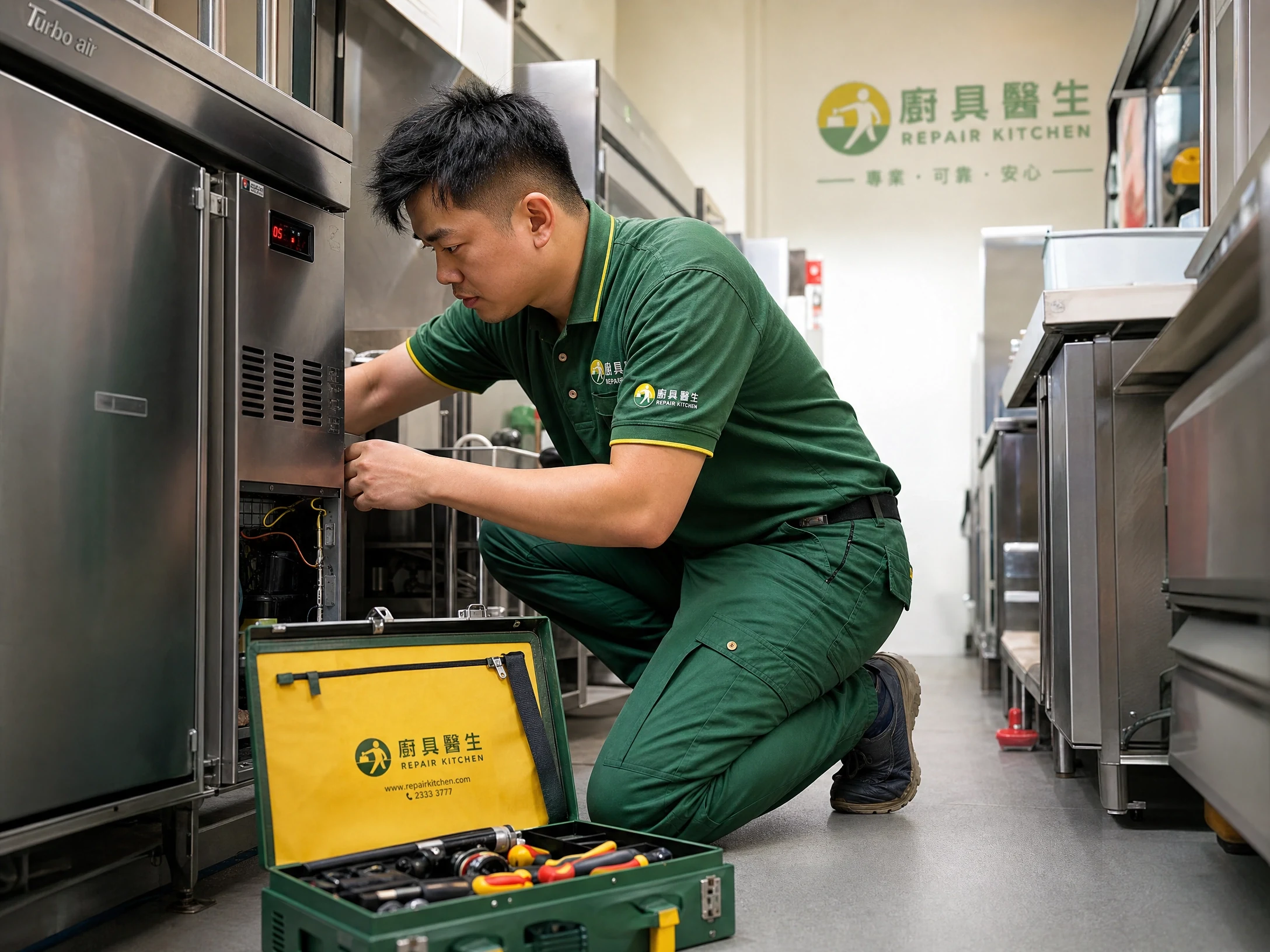
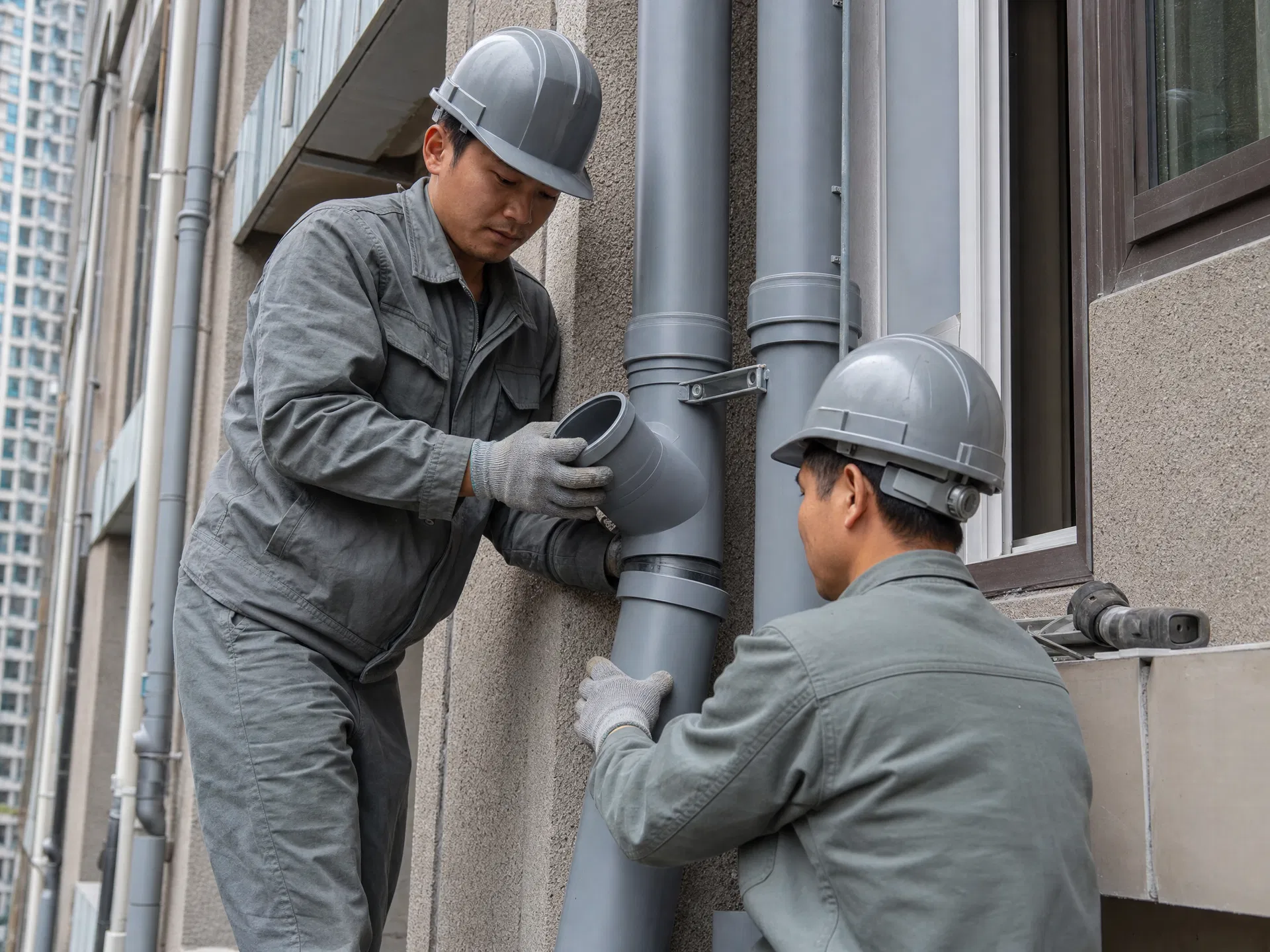
Routine restaurant equipment maintenance and immediate troubleshooting serve as the core defense lines against sudden business interruption risks. Restaurant owners must conduct basic inspections within compliant safety boundaries and decisively seek professional support when technical issues exceed in-house capabilities. This article provides an in-depth analysis of maintenance essentials, inspection steps, and professional intervention timings for refrigeration, ventilation, and drainage systems in commercial dining establishments.
In daily restaurant operations, the failure of any core equipment can trigger a chain reaction, leading to food spoilage, health hazards, and even forced business suspension. According to government guidelines and building drainage management principles, commercial operators who establish systematic daily inspection routines can effectively prevent the vast majority of sudden mechanical and plumbing failures before they escalate.
Furthermore, establishing a proactive maintenance culture within the restaurant team helps identify minor anomalies before they escalate into catastrophic commercial failures. Kitchen staff should be trained to recognize early warning signs such as unusual vibrational hums, minor temperature drifts, or sluggish drainage responses across all operating stations and food prep areas.
Operational continuity is the lifeblood of any successful food service enterprise in metropolitan settings. When essential kitchen machinery malfunctions without prior warning, it disrupts the entire culinary workflow, delays customer service, and tarnishes brand reputation, making structured maintenance schedules an absolute necessity.
Additional operational vigilance is also required when dealing with fluctuating electrical loads during peak dining hours. Overloaded circuits can cause sudden power interruptions that damage sensitive electronic control units in modern kitchen appliances.
Why Do Sudden Restaurant Equipment Failures Trigger Severe Interruption Risks?
The restaurant operating environment is characterized by high temperatures, elevated humidity, and heavy grease accumulation, posing severe tests to all machinery and piping networks. Once refrigeration units, ventilation systems, and drainage pipelines fail simultaneously or sequentially, it not only violates food safety and environmental hygiene standards but also directly causes operational shutdowns and heavy financial losses.
Facing such a complex commercial environment, operators must avoid blind DIY disassembly or forcing malfunctioning machinery to operate under substandard conditions. The correct approach involves observing early warning signs such as abnormal noises, temperature fluctuations, or slow drainage, and performing basic cleaning strictly within safety guidelines to prevent escalation.
Profitability in the food and beverage industry often depends on operational smoothness and customer flow stability. When core kitchen equipment breaks down without warning, it disrupts preparation rhythms and inflicts irreversible negative impacts on brand reputation, making preventive upkeep indispensable for long-term commercial survival.
Emergency shutdown procedures must be clearly communicated to every kitchen employee to ensure immediate response when critical machinery fails unexpectedly. Failing to implement such protocols can result in hazardous electrical short circuits, gas leaks, or severe flooding incidents.
Risk mitigation strategies must be integrated into daily management routines, ensuring that every staff member understands their role in maintaining baseline hygiene and operational safety standards.
What Are the Initial Troubleshooting Steps and Safety Boundaries for Refrigeration Failures?
Refrigerators and cold rooms are core assets for food preservation in restaurants. When internal temperatures rise abnormally, it often results in massive food spoilage and financial write-offs. When noticing a drop in cooling efficiency, owners should first inspect whether the power plug is secure, the condenser coils are free of dust, and the door gaskets form a tight seal.
However, when issues involve abnormal compressor vibrations, refrigerant leaks, or electronic control board failures, operators must never attempt DIY repairs using standard tools. At this stage, operations must be halted immediately and professional restaurant equipment maintenance services should be arranged to prevent electrical hazards and extensive mechanical damage.
If refrigeration systems suffer from poor heat dissipation during operation, compressors are forced to run under prolonged overload conditions, accelerating component aging. Maintaining clean condenser fins and conducting regular electrical current fluctuation tests are vital steps to ensure refrigeration stability during peak operational hours.
Advanced diagnostic monitoring for commercial refrigeration also includes tracking defrost cycle frequency and thermostat calibration accuracy. When frosting anomalies or unusual humidity accumulation occur inside cold storage units, prompt technical evaluation prevents total system collapse.
Preventive measures for cold storage units also involve checking refrigerant pressure levels periodically and ensuring proper internal airflow circulation. Blocked air vents caused by overcrowded shelving can severely compromise temperature uniformity.
Qualified technicians should perform annual inspections of evaporator coils and expansion valves to guarantee optimal thermal exchange efficiency across all refrigeration units.
How to Inspect Ventilation and Drainage Systems Daily to Prevent Severe Blockages?
Restaurant ventilation and exhaust hoods accumulate massive amounts of grease over extended periods, creating extreme fire hazards if regular cleaning is neglected. Meanwhile, kitchen floor drains and grease traps prone to solidified grease blockages can lead to wastewater backup and severe environmental odor problems, degrading customer experience.
According to drainage maintenance guidelines, commercial operators must clean grease traps regularly and inspect U-shaped traps for sediment buildup. In the event of stubborn grease blockages, avoid harsh chemical drain cleaners and instead engage qualified contractors for professional drain unblocking services.
Unobstructed ventilation and drainage systems are directly linked to license audits and daily hygiene scores. Any minor drainage sluggishness or exhaust reflux should be treated as an alert, as prompt handling effectively prevents sudden comprehensive business shutdowns.
Grease trap management requires adherence to statutory environmental standards. Failing to maintain adequate grease interceptor capacity can lead to severe regulatory warnings, environmental fines, or mandatory temporary suspension of catering licenses until complete remediation is achieved.
Exhaust duct cleaning schedules should be maintained meticulously to comply with local fire safety regulations. Accumulated grease inside exhaust chimneys represents one of the most hazardous fire risks in commercial kitchen design.
Proper grease filtration and wastewater management not only protect plumbing infrastructure but also demonstrate corporate responsibility toward environmental protection and public sanitation standards.
How to Balance Routine Maintenance, Office Maintenance, and Equipment Replacement Decisions in Commercial Operations?
In commercial shop management, facility maintenance in administrative and back-office areas is equally crucial alongside front-line kitchen upkeep. When equipment ages, restaurant owners must comprehensively evaluate repair costs against the economic benefits of purchasing new units, avoiding false economy.
Sometimes, rather than continuously spending funds on patchwork repairs, integrating upgrades into an overall shop renovation plan is far more cost-effective. Furthermore, if the restaurant includes an administrative office or staff lounge, related office maintenance tasks should be incorporated into the annual facility upkeep schedule.
Scientific management of equipment lifecycles requires combining financial budgets with technical evaluations. When repairs occur frequently and spare parts supplies become unstable, decisively executing equipment renewal is often the wiser, long-term economic choice.
Facility managers should maintain a comprehensive asset ledger detailing installation dates, warranty expiration milestones, and historical maintenance logs for every major commercial appliance within the restaurant premises.
Long-term capital expenditure planning ensures that business owners are never caught off guard by sudden equipment obsolescence or unexpected regulatory compliance changes.
Comprehensive property management also involves coordinating electrical wiring upgrades and plumbing renovations during scheduled operational downtime to minimize disruption to customer dining hours.
| Equipment Type | Common Failure Signs | Routine Maintenance Advice | Professional Intervention Timing |
| :--- | :--- | :--- | :--- |
| Refrigeration | Rising temp, compressor noise | Clean condenser coils, check gaskets | Compressor failure, refrigerant leak |
| Ventilation | Reduced airflow, grease reflux | Clean grease filters, service blower | Motor burnout, electronic board failure |
| Drainage | Slow drainage, odor emission | Clear grease traps, check U-traps | Severe grease blockage, main pipe backflow |
When Must You Stop DIY Efforts and Immediately Seek Professional Maintenance Support?
Many restaurant operators, aiming to cut costs, continue operating equipment even after severe warning signs appear, which frequently triggers large-scale safety accidents. When appliances emit burning odors, circuit breakers trip frequently, or water heater repair needs arise, the power must be cut off immediately and equipment taken out of service.
Here are five clear indicators and safety response principles requiring immediate professional on-site intervention:
* Core refrigeration equipment temperature remains uncontrolled, risking massive food spoilage and severe food safety violations.
* Electrical systems experience frequent circuit breaker tripping, hot wiring, or burning smells, posing severe electrical fire hazards.
* Kitchen drainage channels suffer complete blockage with wastewater backflow, severely compromising hygiene and inviting regulatory penalties.
* Ventilation motors completely stop operating or generate severe mechanical grinding noises, failing to exhaust fumes and maintain airflow.
* Commercial hot water and heating equipment fail, disrupting dish sanitization and daily cleaning procedures.
In summary, proper preventive maintenance and compliant professional support form the foundation of sustainable restaurant operations. When facing various emergencies, operators should remain calm, adhere strictly to safety boundaries, and utilize proper maintenance frequencies to minimize business interruption risks.
Within the highly competitive operational landscape of the Hong Kong catering industry, equipment reliability directly dictates profitability and brand reputation. Restaurant proprietors must recognize that the cost of preventive maintenance is vastly lower than the direct financial losses and brand trust crises caused by sudden business interruptions.
Beyond the exterior cleaning of hardware equipment, internal electrical contacts and mechanical lubrication also require regular inspection by certified technicians. Through a scientific maintenance schedule, commercial operators can predict component lifespans, avoiding paralyzing equipment breakdowns during peak operating hours.
Furthermore, compliance with government regulatory requirements is vital for the smooth renewal of restaurant licenses. Whether complying with fire ventilation standards or environmental drainage regulations, restaurant owners must maintain high vigilance and execute all mandatory compliance checks.
Which service guide is most relevant to the next step?
Use the following service guides to understand the scope that best matches the issue before deciding whether an inspection or quotation is appropriate:
- restaurant equipment repair hong kong: a focused guide to the scope, safety considerations and contact route for this type of issue.
- commercial repair hong kong: a focused guide to the scope, safety considerations and contact route for this type of issue.
- water heater repair hong kong: a focused guide to the scope, safety considerations and contact route for this type of issue.
- drain unblocking hong kong: a focused guide to the scope, safety considerations and contact route for this type of issue.
- reinstatement works hong kong: a focused guide to the scope, safety considerations and contact route for this type of issue.
Official reference
Use the Housing Authority’s official guidance as a starting point when a housing, move-in or renovation decision affects a Hong Kong home.
About the author
FixNow Home Repair Editorial Team
Frequently asked questions
How often should routine restaurant equipment maintenance be conducted?
It is generally recommended to conduct basic cleaning and inspection of refrigeration and ventilation systems monthly, while grease traps and drains should be cleaned weekly, depending on operational scale and grease load.
What simple checks can staff perform when refrigerator temperatures suddenly rise?
Staff can check if the power plug is loose, condenser coils are obstructed by dust, and door gaskets seal tightly. If temperatures remain high after checking these, stop use and seek professional help.
Why do kitchen drainage channels frequently suffer from grease blockages?
Grease generated during cooking, if not intercepted by grease traps, solidifies upon entering cooler pipes and clings to pipe walls, causing severe blockages over time. Regular grease trap cleaning is key.
Can commercial operators use over-the-counter drain cleaners for severe blockages?
For large-scale stubborn grease blockages in commercial kitchens, chemical drain cleaners have limited effect and may corrode pipes or cause chemical splashes. Qualified contractors should handle them.
How should the catering industry balance repair decisions versus equipment replacement?
If equipment is aged, breaks down frequently, repair costs exceed 50% of new equipment value, or parts are discontinued, replacement is generally more appropriate to ensure operational stability.
What qualifications and safety terms should be noted when hiring professional maintenance companies?
Choose contractors with relevant industry licenses, technical certifications, and insurance coverage, and clearly define scope, warranty, and emergency response times in contracts to ensure regulatory compliance.