TV Wall Mount Safety Guide: Wall Types & When Not to Drill
TV Wall Mount Safety Guide: Wall Types & When Not to Drill
Published: 2026-08-15 · Updated: 2026-08-15 · 8 min read
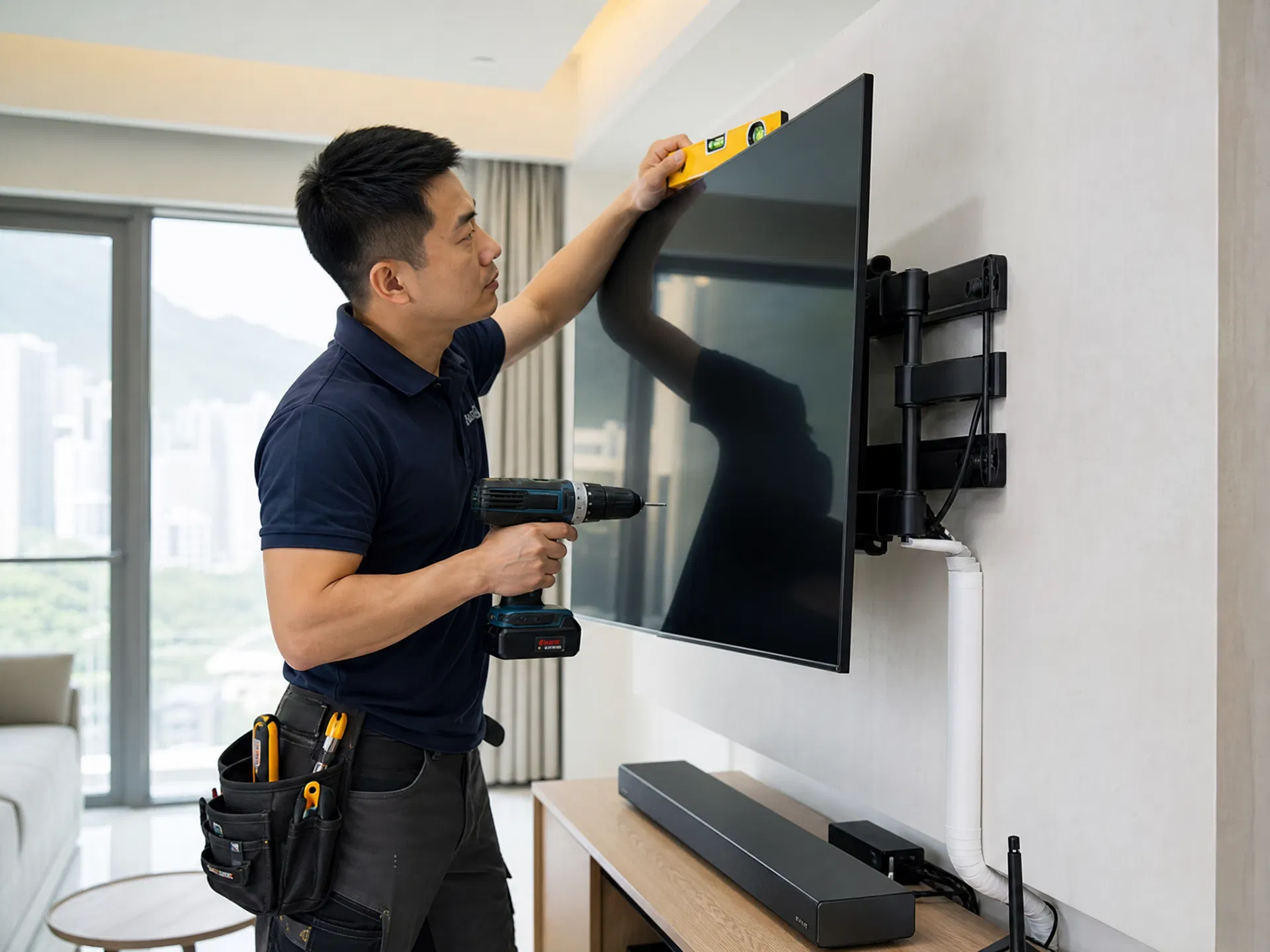
TL;DR
Master TV wall mount safety and weight limits. Learn essential tips for shelf installation, socket addition, and professional HK repair. Secure your home today! Use the practical checkpoints below to separate a low-risk next step from work that needs a qualified professional. Keep a written record of the scope, timing and any change agreed on site.
Planning decision checklist
| Stage | Action today | Confirm before proceeding |
|---|---|---|
| Scope | Write down the outcome you need | What is included, excluded and contingent |
| Time | Set a realistic milestone sequence | Access, approvals and disruption constraints |
| Cost | Compare like-for-like quotations | Payment stage, variation process and warranty |
Visual repair guide
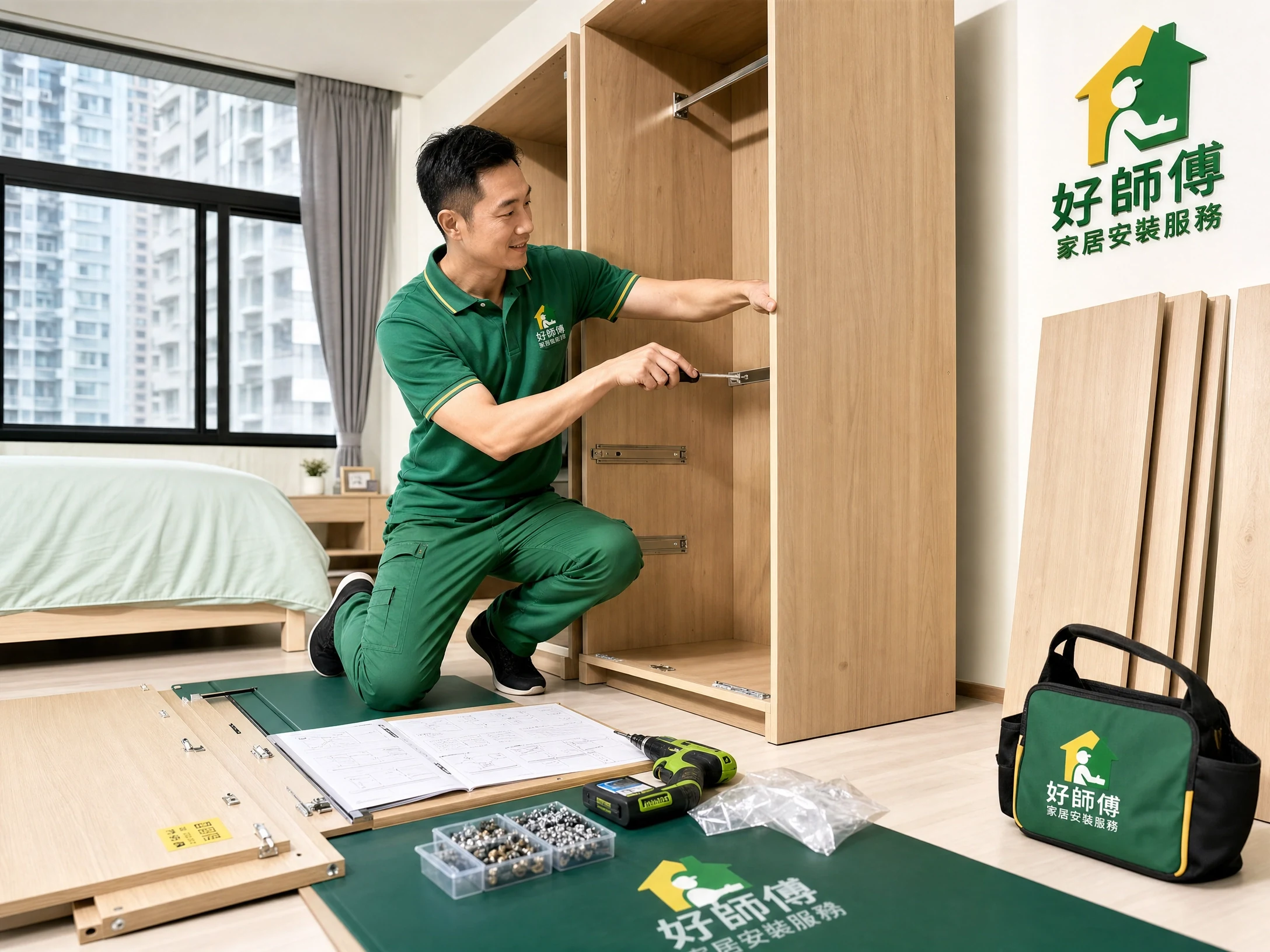
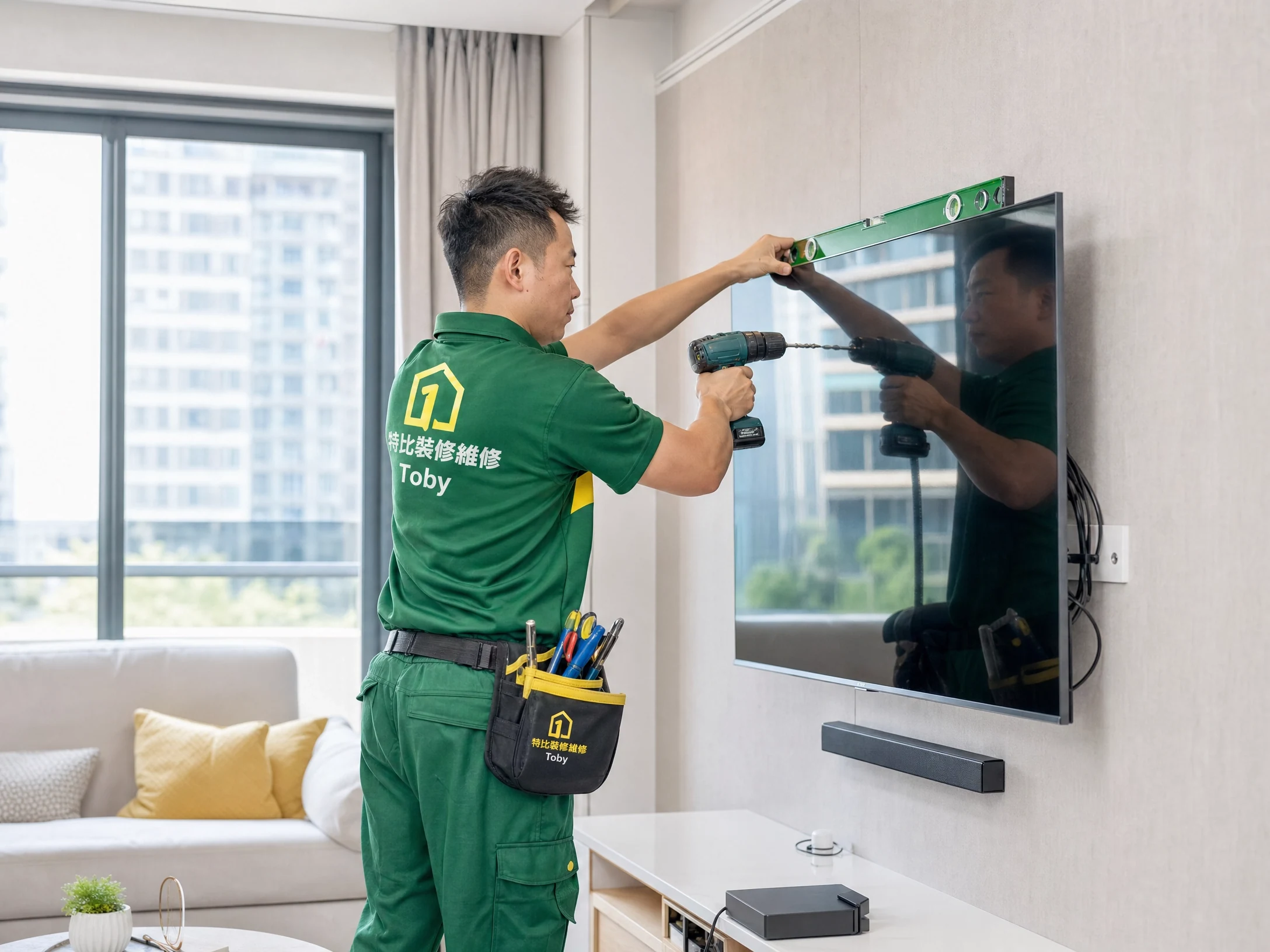
Why Must You Assess Wall Types and Load-Bearing Capacity Before TV Wall Mounting?
The primary step in TV wall mount installation is accurately identifying the wall material and evaluating its load-bearing limits. Avoiding blind drilling is essential to prevent structural damage or television drops. This comprehensive guide explores wall classification, cable routing planning, anti-fall safety standards, and step-by-step operational procedures for secure home renovations across various residential property types.
Residential walls in Hong Kong are generally categorized into load-bearing structural walls, partition brick walls, and lightweight drywall partitions, each offering vastly different load capacities. Installing a heavy TV bracket on a wall with insufficient structural strength can easily cause expansion anchors to loosen and result in catastrophic collapse accidents during daily household use.
According to official government home maintenance advice, homeowners and occupants must verify architectural drawings or consult qualified professionals before altering any walls. Blindly executing DIY projects not only violates building safety codes but may also compromise the main structural integrity of the entire building, leading to severe legal liabilities and building management penalties.
When upgrading living room entertainment systems, some homeowners also plan for shelf installation to accommodate audio equipment, gaming consoles, or set-top boxes. It is vital to ensure that no hidden water pipes or electrical conduits run through the target wall area, and to use specialized metal anchors that perfectly match the wall composition for enhanced stability.
Furthermore, understanding the age and construction quality of the building plays a critical role in determining whether a wall can endure the continuous dynamic vibration and static load of a modern flat-screen television. Professional assessments prevent costly repairs and safeguard family members from unforeseen household hazards.
Property owners should also consult building management guidelines regarding drilling schedules and permitted noise hours to maintain harmonious neighborhood relations while undertaking minor home improvements or entertainment upgrades.
Taking these preliminary precautions ensures that subsequent engineering steps proceed smoothly without unexpected complications or structural failures.
What Safety Boundaries and Taboos Must Be Followed When Drilling for TV Brackets?
During wall drilling operations, the foremost taboo is drilling blindly without scanning with a metal detector. Doing so dramatically increases the risk of striking concealed electrical conduits or water supply pipes. Hitting high-voltage cables accidentally can trigger severe circuit breaker trips, electrical shorts, or life-threatening electric shocks for anyone operating the equipment.
Another common mistake is using mismatched screws or inferior plastic sleeves, preventing the bracket from supporting the dynamic tension generated by the operating television. Proper wall mounting requires all expansion bolts to be driven deep into solid masonry rather than merely anchored within the surface plaster layer, which lacks adequate structural tensile strength.
If widespread hollow spots or crumbling plaster are discovered during the process, drilling must cease immediately for professional evaluation. For units with limited space or complex structural conditions, entrusting experienced Hong Kong Island maintenance teams helps mitigate potential hidden risks effectively and ensures complete peace of mind.
Beyond living room television setup, if residents require socket installation or electrical capacity expansion, they must strictly adhere to Electrical Mechanical Services Department safety codes. Electrical installations involve complex load distribution, and unauthorized branching from legacy circuits must be avoided to prevent dangerous overload fires.
Technicians always emphasize wearing appropriate personal protective equipment, such as safety goggles, thick gloves, and dust masks, while operating heavy hammer drills in confined residential spaces to protect respiratory health and prevent eye injuries from flying concrete debris.
Ensuring proper ventilation and dust containment during masonry drilling also protects sensitive electronics and furniture located nearby from persistent fine dust contamination and potential electrical shorting.
Adhering strictly to these professional protocols significantly minimizes operational hazards and guarantees long-term fixture reliability.
How to Properly Plan Cable Management and Socket Requirements Before and After Mounting?
Messy dangling cables often compromise both aesthetics and safety after TV mounting, making thorough cable routing and power planning essential. The ideal approach is placing a dedicated power outlet directly behind the hidden bracket area, preventing exposed cords from causing tripping hazards or accidental contact by young children and pets.
When existing outlets are too far from the television, occupants should avoid long-term reliance on daisy-chained power boards to prevent current overload and overheating. Instead, hiring licensed electricians for concealed wiring or professional socket installation ensures electrical loads meet stringent safety standards and building electrical codes.
During layout planning, high-voltage power cables and low-voltage signal cables such as network cables and HDMI lines must maintain proper separation and run through distinct conduits. This practice prevents electromagnetic interference from degrading audio-visual quality while complying with electrical safety regulations.
For residents in larger housing estates or village houses in the New Territories who are unfamiliar with internal concealed pipe routes, forcing wire insertion or using crude tools to widen holes is strictly discouraged. Seeking professional New Territories maintenance technicians for circuit inspection is the safest resolution.
Proper cable management also facilitates future maintenance and equipment upgrades. When wires are neatly organized inside trunking or wall channels, replacing outdated HDMI cables or adding new gaming consoles becomes straightforward without requiring destructive wall modifications or expensive repainting.
Investing time in comprehensive cable planning before mounting prevents frustrating rewiring work later and maintains a clean, minimalist living environment for the entire household.
Consulting experienced technicians ensures that all concealed power lines comply with local electrical ordinances and building management requirements.
What Are the Differences Between DIY TV Mounting and Professional Minor Works Services?
Many homeowners hesitate between purchasing tools for DIY TV bracket installation or hiring qualified professionals. The following detailed comparison matrix evaluates safety, tool requirements, time costs, and risk liability to assist homeowners in making informed decisions for their properties.
| Comparison Dimension | DIY Installation | Professional Team Services | Safety & Regulatory Considerations |
|---|---|---|---|
| Tool Equipment | Requires hammers, scanners, and levels | Equipped with industrial scanners & dust control | Professional gear precisely detects hidden wiring |
| Wall Risks | Prone to striking hidden pipes or loose screws | Expert weight assessment ensures solid structure | Minimizes drop and water seepage hazards |
| Time & Cost | Hours of trial with alignment errors | Fast completion with rigorous tension tests | Saves time and includes professional warranty |
| Suitable Scenarios | Light wooden panels or low-risk drywall | Heavy TVs, concrete walls, & complex wiring | Essential when dealing with structural loads |
As illustrated in the comparison table, choosing professional minor works services provides the highest level of assurance when dealing with complex wall structures or heavy audio-visual equipment. Homeowners should never sacrifice safety for minor cost savings, especially when structural integrity and family protection are involved.
Professional contractors also carry comprehensive third-party liability insurance, providing an extra layer of financial protection in the rare event of accidental property damage during the installation process.
Evaluating these factors objectively highlights why engaging certified specialists is generally the superior choice for high-risk home improvements.
What Are the Standard Steps and Routine Maintenance Points for TV Mounting Projects?
To guarantee flawless execution during TV mounting and related repairs, occupants and technicians must adhere to standardized operating procedures. The following systematic execution checklist covers every stage from initial scanning to final inspection:
- Step 1: Use high-precision wall metal and wiring scanners to thoroughly scan the designated drilling zone to eliminate hidden conduits.
- Step 2: Carefully select matching expansion bolts and factory-certified mounting brackets based on television weight and wall composition.
- Step 3: Calibrate horizontal alignment using a spirit level, ensuring drilling marks are precise and free from deviation.
- Step 4: Drill steadily with a hammer drill, clear dust from holes, insert metal expansion anchors, and tighten securely.
- Step 5: Perform static load testing before hanging the television, check all connection points, and organize power cables neatly.
- Step 6: Conduct routine bi-annual inspections of wall bracket screws and anchor tightness to prevent gradual loosening over time.
- Step 7: Clean ventilation grilles around the television and check cable connections during seasonal home maintenance checks.
- Step 8: Document any maintenance activities to preserve warranty validity and track long-term equipment performance.
When Must You Stop DIY Work and Seek Professional Maintenance and Engineering Teams?
When encountering obstructed drill bits, severe wall crumbling, loose screw fittings, or circuit breaker trips during drilling, work must cease immediately. Forcing continuation will magnify damage and trigger severe household accidents.
Combining official safety guidelines and practical field experience, handing unfamiliar structures or electrical modifications to certified professionals is always the wisest choice. The OmniFix editorial team reminds all readers that safety remains the absolute priority in home renovation and repair projects.
Professional engineering teams possess the necessary licensing, insurance, and specialized equipment to handle unexpected complications swiftly and safely, ensuring long-term peace of mind for every household across Hong Kong.
Recognizing your own limits during home maintenance projects is the most effective way to prevent accidents and protect your living investment against unforeseen structural liabilities.
Prioritizing professional consultation whenever uncertainties arise guarantees a secure and comfortable living environment for years to come.
Which service guide is most relevant to the next step?
Use the following service guides to understand the scope that best matches the issue before deciding whether an inspection or quotation is appropriate:
- tv wall mounting hong kong: a focused guide to the scope, safety considerations and contact route for this type of issue.
- add power socket hong kong: a focused guide to the scope, safety considerations and contact route for this type of issue.
- handyman hong kong: a focused guide to the scope, safety considerations and contact route for this type of issue.
- handyman hong kong island: a focused guide to the scope, safety considerations and contact route for this type of issue.
- handyman new territories: a focused guide to the scope, safety considerations and contact route for this type of issue.
Official reference
Use the Housing Authority’s official guidance as a starting point when a housing, move-in or renovation decision affects a Hong Kong home.
About the author
FixNow Home Repair Editorial Team
Frequently asked questions
How to confirm if a wall can support TV weight before mounting?
Identify wall materials (such as concrete structural walls or drywall) and consult TV and bracket manuals before mounting. For uncertain structures, seek professional load assessment and avoid blind drilling.
What are common safety risks associated with DIY TV bracket installation?
Common risks include striking concealed wires causing short circuits, using inferior screws leading to bracket detachment, and messy cords causing tripping or overheating. Professional assistance is recommended without proper tools.
How should cables for a wall-mounted TV be hidden and routed?
The ideal approach is installing a power socket directly behind the bracket or using dedicated trunking to separate power and signal lines. Avoid daisy-chaining power boards; consult licensed electricians for concealed wiring when necessary.
When must you stop DIY and seek professional minor works assistance?
Stop work immediately if encountering hard metal obstructions, major wall cracks, loose screw fittings, or circuit breaker trips during drilling. These issues exceed typical DIY capabilities and require certified technician inspection.
Do TV mounting and minor works in Hong Kong residences require Buildings Department approval?
Routine home TV mounting and small shelf installation are generally exempt minor works. However, removing structural walls or major alterations is regulated by the Buildings Ordinance and must follow statutory procedures by qualified contractors.
How to select appropriate TV wall mounts and expansion screws?
Choose certified brackets matching TV size, VESA spacing, and weight, paired with metal expansion anchors specifically suited to the wall material (solid concrete or brick) to ensure long-term load stability and tensile strength.