Ceiling Leaks and Bathroom Waterproofing Inspection Guide
Ceiling Leaks and Bathroom Waterproofing Inspection Guide
Published: 2026-08-15 · Updated: 2026-08-15 · 8 min read
TL;DR
Facing ceiling leaks and bathroom waterproofing issues in Hong Kong? Learn essential inspection steps, coordination tips, and leak repair guidance today. Use the practical checkpoints below to separate a low-risk next step from work that needs a qualified professional. Keep a written record of the scope, timing and any change agreed on site.
Planning decision checklist
| Stage | Action today | Confirm before proceeding |
|---|---|---|
| Scope | Write down the outcome you need | What is included, excluded and contingent |
| Time | Set a realistic milestone sequence | Access, approvals and disruption constraints |
| Cost | Compare like-for-like quotations | Payment stage, variation process and warranty |
Visual repair guide
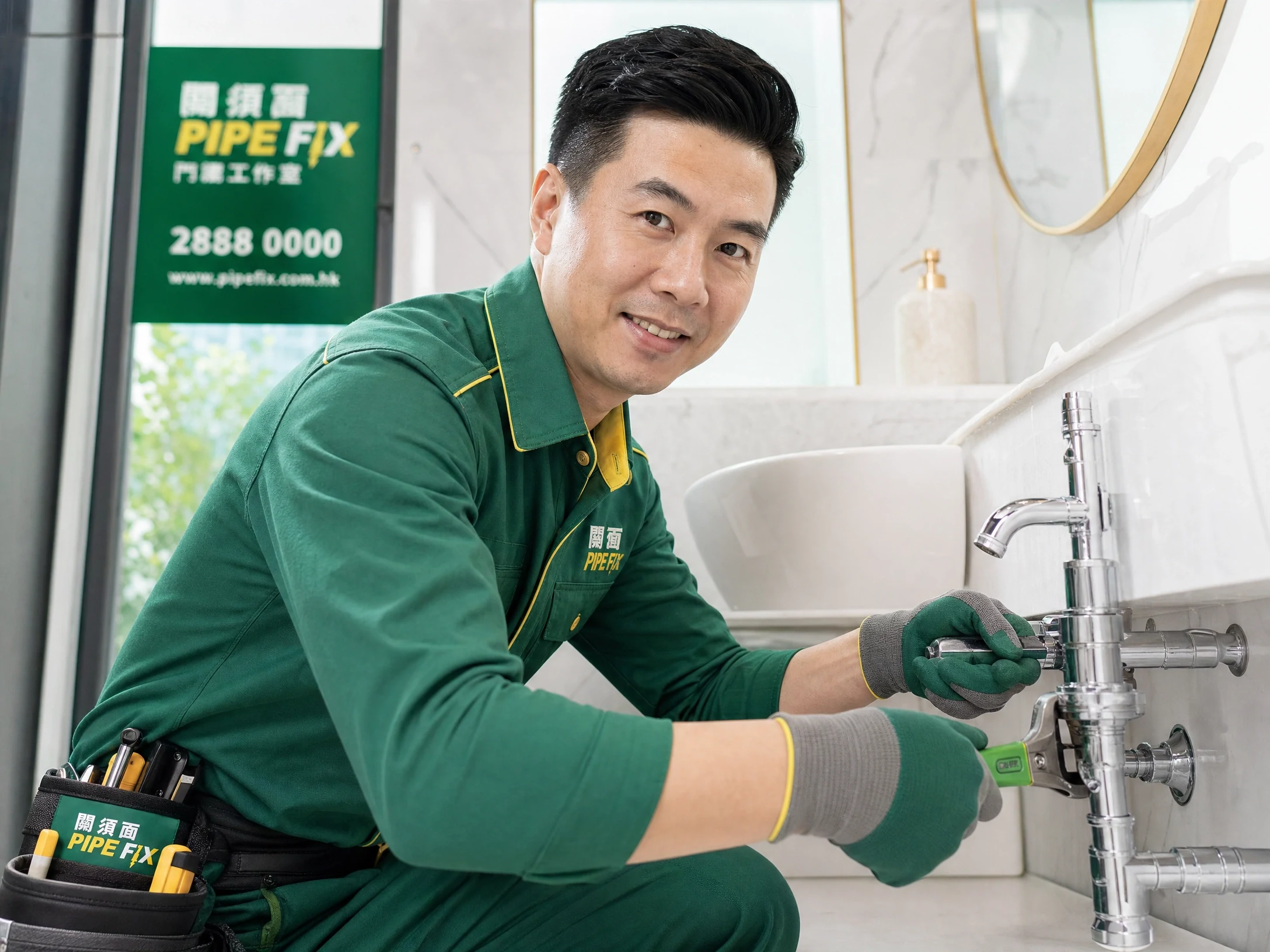
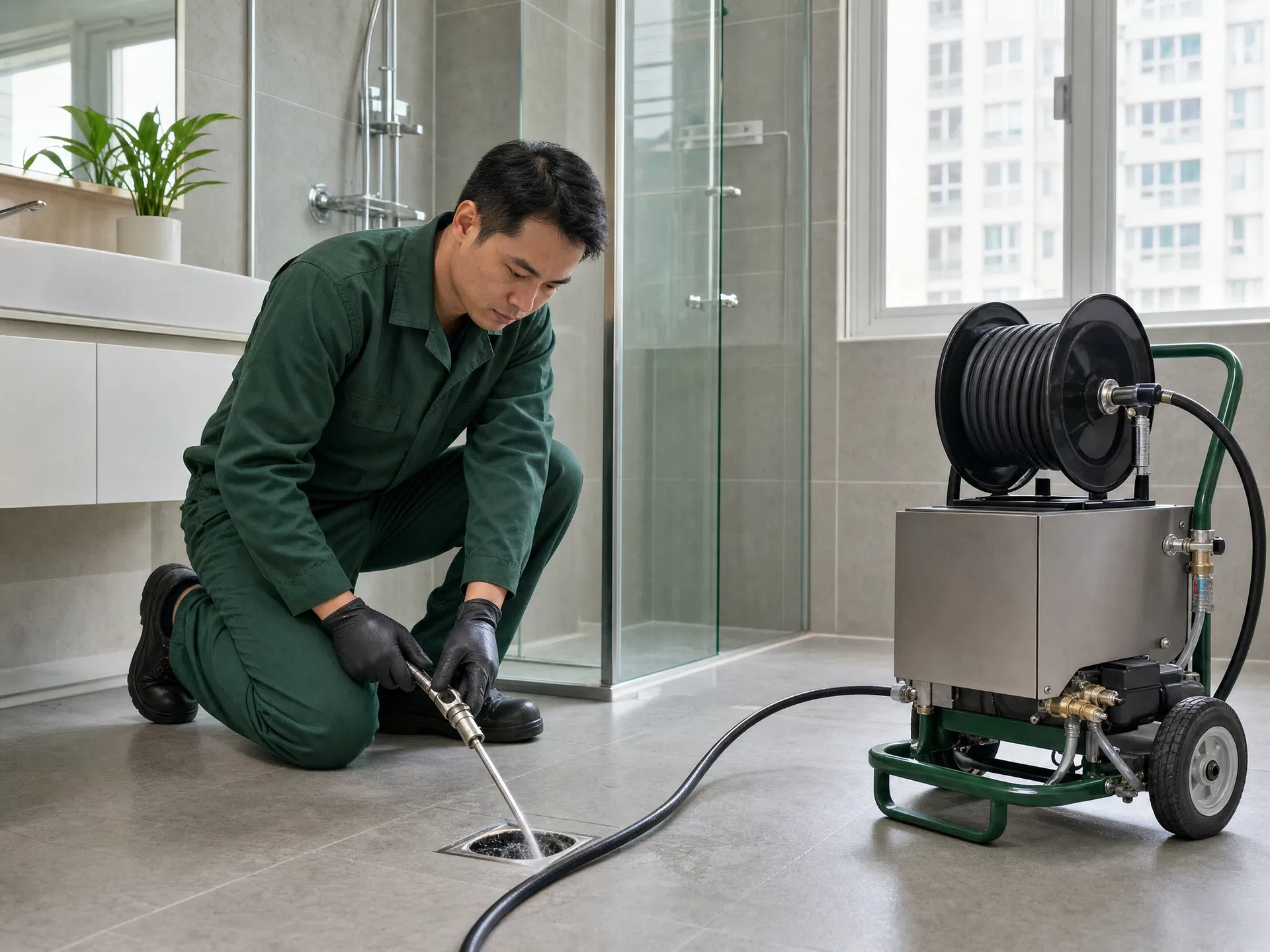
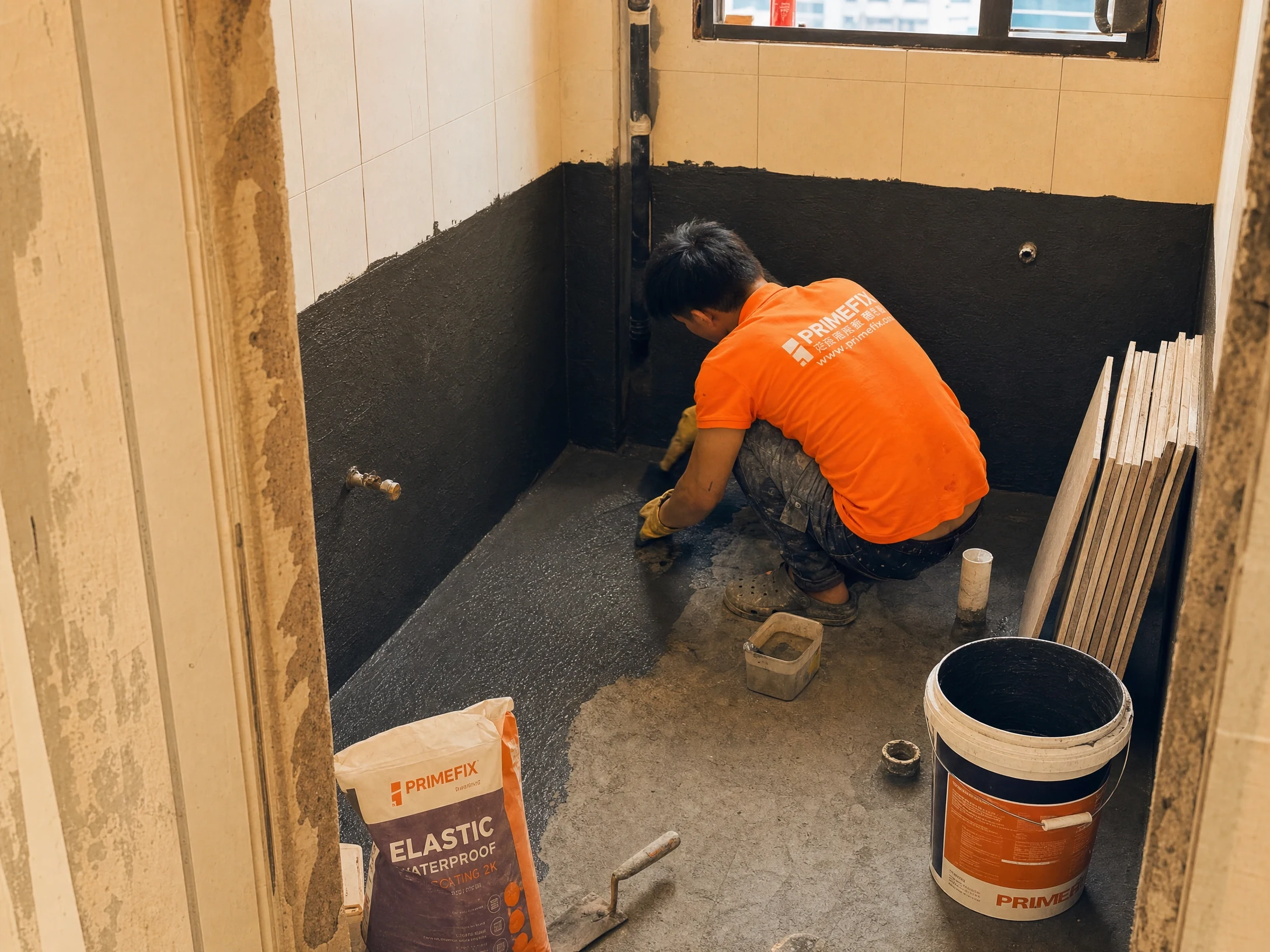
When facing ceiling leaks and bathroom waterproofing issues, residents should immediately inspect the source while avoiding unauthorized structural drilling to prevent compromising waterproof barriers. This comprehensive guide breaks down leak causes, responsibility coordination, waterproofing works, and preparation steps to help property owners in Hong Kong handle seepage issues properly and efficiently.
Dealing with complex ceiling leaks requires systematic investigation rather than blind surface patching, determining whether hidden pipes or floor waterproof membranes have failed. Understanding proper inspection sequences saves unnecessary expenses and prevents neighborly disputes.
When tackling ceiling seepage, acquiring accurate information and compliant procedures is critical to ensuring permanent resolution. Many residents suffer from recurring issues simply because they lack systematic diagnostic frameworks during early stages.
This guide explores multiple common causes and response strategies, ranging from daily visual checks to professional instrument testing, guiding owners toward correct maintenance directions and long-term safety.
Property maintenance in urban high-rises involves complex architectural structures and shared building services. Recognizing early signs of water infiltration protects both private units and common structural elements from severe deterioration.
Without proactive intervention, minor moisture issues can quickly escalate into major structural hazards that require extensive remediation and substantial financial investment.
Engaging early with professional maintenance consultants ensures that potential vulnerabilities are identified and addressed before compounding into expensive structural failures.
Systematic evaluation protocols guarantee that every phase of property inspection meets high professional standards and complies with relevant building regulations.
Why Do Ceiling Leaks Occur? How to Identify Sources and Responsibilities
Ceiling leaks often stem from aged floor waterproofing membranes in upper units, damaged bathtub seals, or hidden pipe pinhole leaks. To determine responsibility, residents can consult Buildings Department guidelines and request management assistance for preliminary checks.
When handling ceiling seepage involving shared drainage stacks or main supply pipes, owners' corporations or management offices should coordinate joint investigations. Avoid hiring unlicensed technicians for random excavation before identifying the exact source.
Disagreements frequently arise between upstairs and downstairs residents regarding responsibility attribution. Professional third-party inspection reports serve as objective evidence to help both parties reach consensus amicably.
Through thorough on-site surveys and scientific instrument assistance, hidden leakage sources can be precisely pinpointed, avoiding blind wall or floor knocking that causes economic loss and neighborhood conflict.
Establishing clear lines of accountability prevents prolonged disputes and ensures that remediation efforts target the actual root cause rather than treating superficial symptoms.
Transparent communication supported by official regulatory references ensures that all affected parties understand their legal obligations and practical maintenance duties.
Collaborative problem-solving frameworks reduce emotional friction and expedite the implementation of effective long-term repair solutions across residential buildings.
Objective technical assessments eliminate guesswork and establish a fair foundation for resolving complex multi-party seepage disputes effectively.
How to Inspect Aged Bathroom Waterproofing? Which Areas Are Most Vulnerable?
Bathrooms remain constantly humid, making floor corners, bathtub joints, and aged silicone sealant high-risk zones for seepage. Professional inspections typically utilize moisture meters or infrared thermography to detect hidden moisture without damaging tiles.
When bathroom floors exhibit hollow tiles, micro-cracks, or failing threshold waterproofing, timely renovation works and localized grouting are essential. Ignoring these early warning signs can escalate into structural seepage affecting lower floors.
Beyond visible surface cracks, hidden membrane failures possess greater destructive potential. Regularly engaging qualified professionals for deep inspections enables targeted preventive measures before leakage deteriorates further.
In terms of daily maintenance, keeping bathrooms ventilated and dry, regularly inspecting and replacing aged silicone sealant effectively extends waterproof lifespan and reduces future leakage risks.
Proactive evaluation of bathroom wet areas significantly diminishes the likelihood of sudden catastrophic failures during seasonal weather changes or heavy rainfall events.
Investing time in routine visual audits of wet rooms pays substantial dividends by intercepting minor waterproofing breaches before they require disruptive structural interventions.
Maintaining rigorous inspection routines across all wet areas guarantees sustained protection against hidden water infiltration and associated structural damage.
Proactive homeowner engagement in wet area maintenance ensures long-term durability and minimizes unexpected repair expenditures over time.
How to Coordinate with Upstairs Neighbors After Discovering Leaks? Official Guidelines
When water stains appear on the lower ceiling, maintaining calm communication and recording stain expansion with photographs is vital. Following Gov.hk home maintenance tips, residents can request management assistance for tripartite meetings and dye tests.
If coordination fails, citizens can consult the Buildings Department handling mechanism for statutory procedures. Throughout coordination, parties should rely on factual evidence and professional inspection reports to negotiate repair plans without emotional friction.
During pending inspections and coordination, affected residents should protect belongings, remove moisture-sensitive appliances, and maintain thorough records of communications and expenses for future follow-up.
Official guidelines published by government departments and relevant agencies provide clear operational frameworks for owners, enhancing problem-solving efficiency and fairness through institutionalized procedures.
Cooperative engagement between neighbors fosters a harmonious living environment while accelerating the resolution of complex inter-apartment water seepage disputes.
Adopting a structured, evidence-based approach during neighborly negotiations defuses tension and establishes a collaborative path toward effective plumbing and waterproofing rehabilitation.
Clear administrative support mechanisms within multi-story buildings empower residents to resolve inter-unit disputes amicably and in accordance with statutory standards.
Open channels of communication and professional mediation significantly improve the success rate of inter-household maintenance coordination efforts.
How to Choose Appropriate Methods for Waterproofing Works and Leak Repair?
The market offers diverse leak repair options, requiring residents to select appropriate methods based on severity and structure. The following comparison table helps owners prepare budgets and understand technical differences:
| Inspection Item | Common Cause | Recommended Method | Important Notes |
|---|---|---|---|
| Ceiling Dripping | Upper floor waterproof membrane failure | Waterproof works and local re-tiling | Conduct ponding test to confirm |
| Wall Dampness | Hidden pipe pinhole leakage | Plumbing repair or local chasing | Avoid blind demolition of walls |
| Slow Drainage | Pipe joint aging or loosening | Drainage modification or replacement | Ensure correct gradient to prevent pooling |
For minor waterproofing failures, local grouting or transparent waterproof coatings suffice; however, widespread structural leaks require complete floor renovation. Always confirm warranty terms and scope with contractors before work begins.
Choosing suitable methods extends property lifespan and balances renovation budgets with repair effectiveness, preventing secondary damage caused by substandard materials.
During construction, supervising contractors to strictly follow standard procedures and conduct necessary ponding tests is crucial to ensuring durable waterproof performance.
Quality assurance protocols during repair works guarantee that investments yield long-term protection against recurring moisture problems in residential properties.
Careful selection of repair methodologies ensures that structural integrity is maintained while achieving optimal cost-efficiency for property owners.
Rigorous technical standards in waterproofing execution safeguard the long-term structural value and habitability of residential buildings.
Professional oversight during repair implementation guarantees adherence to industry best practices and building codes.
What to Consider Before Drainage Modification and Full House Renovation?
When bathroom or kitchen drainage systems suffer recurrent blockages or persistent leaks, simple patching cannot cure the root cause, necessitating drainage modification to reroute pipes. Such plumbing works must comply with Buildings Department drainage regulations.
If seepage causes widespread mold and damaged wooden flooring, owners may combine bathroom renovation with full house renovation. Prioritize hidden electrical and waterproofing basements during comprehensive planning, avoiding surface decoration before waterproofing quality is assured.
Comprehensive renovation projects take months; owners should arrange temporary accommodation and sign clear contracts specifying timelines, payment schedules, and warranty periods.
Within overall renovation planning, sequencing electrical layouts and waterproofing systems is critical. Any oversight can create hidden hazards later, making professional supervision essential.
Integrating major plumbing and structural upgrades into a holistic renovation project ensures structural integrity and maximizes living comfort for years to come.
Thorough preliminary planning and compliance with statutory building standards prevent costly compliance delays and guarantee seamless project execution from start to finish.
Comprehensive renovation strategies align aesthetic objectives with essential functional upgrades, ensuring lasting durability and safety across the entire household.
Strategic planning in extensive home renovations eliminates potential friction points between design aspirations and fundamental technical requirements.
What Are the Safety Boundaries Between DIY Inspection and Professional Construction?
Owners can perform basic visual checks and routine cleaning, but must avoid DIY when dealing with electricity, main water pipes, and structural walls. The standard inspection and handling steps are outlined below:
- Step 1: Cease using water sources in the affected area (such as showers or basins) and keep surfaces dry to observe stain expansion.
- Step 2: Record seepage location, area, and dripping frequency, taking clear photographs for future coordination or professional records.
- Step 3: Consult Buildings Department and Gov.hk home maintenance guidelines, reporting to the building management office for initial screening.
- Step 4: Invite qualified technicians to conduct instrument testing (such as infrared thermography or moisture meters) to pinpoint the leakage source.
In conclusion, tackling ceiling leaks promptly with scientific inspection, rational coordination, and professional contractor execution safeguards property value and living safety. Feel free to book our professional inspection services for further assistance.
Adhering to strict safety boundaries prevents accidental injuries and structural damage during home maintenance activities across residential properties.
Professional expertise combined with resident vigilance forms the strongest defense against the multifaceted challenges of urban property maintenance.
Maintaining constant awareness of safety protocols ensures that homeowners can navigate emergency maintenance scenarios with confidence and security.
Embracing professional guidance during critical maintenance phases guarantees optimal safety outcomes for all occupants.
Which service guide is most relevant to the next step?
Use the following service guides to understand the scope that best matches the issue before deciding whether an inspection or quotation is appropriate:
- waterproofing service hong kong: a focused guide to the scope, safety considerations and contact route for this type of issue.
- water leak detection hong kong: a focused guide to the scope, safety considerations and contact route for this type of issue.
- plumber hong kong: a focused guide to the scope, safety considerations and contact route for this type of issue.
- waterproofing hong kong: a focused guide to the scope, safety considerations and contact route for this type of issue.
- home renovation hong kong: a focused guide to the scope, safety considerations and contact route for this type of issue.
Official reference
Use the Housing Authority’s official guidance as a starting point when a housing, move-in or renovation decision affects a Hong Kong home.
About the author
FixNow Home Repair Editorial Team
Frequently asked questions
Is a ceiling leak always the responsibility of the upstairs unit?
Not necessarily. Ceiling leaks can stem from upper floor waterproofing failures, shared building pipe damages, or exterior wall seepage. Professional instrument testing and management assistance are required to determine responsibility.
What actions should residents take first when water stains appear on the ceiling?
First remain calm, photograph the stain area and dripping conditions. Notify the management office for record and communicate rationally with upstairs neighbors before any destructive excavation.
How long does bathroom waterproofing work typically take to complete?
Duration depends on bathroom size and complexity. Typically including demolition, waterproofing application, ponding tests, and re-tiling, it takes several days to a week depending on site conditions.
Can leak repair be resolved solely by applying local sealant?
For minor surface cracks or aged silicone, local sealant may temporarily stop leaks; however, extensive membrane aging or pipe fractures require professional targeted repairs to resolve permanently.
Under what circumstances is drainage modification necessary?
When old drainage pipes suffer frequent blockages, severe joint leaks, or layout changes require rerouting, drainage modification is necessary to ensure smooth and safe drainage.
Should waterproofing be prioritized during home renovation?
Absolutely. Waterproofing forms the foundation of hidden works; neglecting it during full renovation leads to wall and flooring damage later, incurring heavy repair costs and complications.