Bathroom Leak Troubleshooting: Tracing Shower and Floor Seepage
Bathroom Leak Troubleshooting: Tracing Shower and Floor Seepage
Published: 2026-08-15 · Updated: 2026-08-15 · 8 min read
TL;DR
Troubleshoot bathroom leaks in Hong Kong: trace shower, floor, and upstairs seepage. Learn DIY limits and water leak repair or plumbing services. Use the practical checkpoints below to separate a low-risk next step from work that needs a qualified professional. Keep a written record of the scope, timing and any change agreed on site.
Planning decision checklist
| Stage | Action today | Confirm before proceeding |
|---|---|---|
| Scope | Write down the outcome you need | What is included, excluded and contingent |
| Time | Set a realistic milestone sequence | Access, approvals and disruption constraints |
| Cost | Compare like-for-like quotations | Payment stage, variation process and warranty |
Visual repair guide
When encountering bathroom leaks in Hong Kong, residents should immediately turn off the main water valve and stop using the affected area, avoiding blind wall-chiseling or unauthorized pipe dismantling. This comprehensive article outlines the step-by-step inspection sequences, critical safety boundaries, and professional handling procedures for shower, floor, and upstairs seepage to help you clarify the core issue safely and effectively.
How to Quickly Identify Sources and Inspection Sequences for Bathroom Leaks?
Bathroom water seepage stems from various potential causes, frequently involving hidden pipe damage, failed floor waterproofing layers, or communal building drainage defects. During initial troubleshooting, residents should narrow down suspicious areas by observing moisture diffusion patterns, timing, and usage frequencies. Official maintenance guidance from GovHK indicates that proper upkeep of residential facilities effectively prevents water damage escalation and structural decay.
Before initiating any practical inspection, residents must establish clear safety awareness and logical checking sequences. Blindly seeking unverified online remedies or randomly dismantling fixed conduits often exacerbates minor leaks into severe structural disasters. Therefore, establishing a systematic diagnostic sequence serves as the cornerstone for safeguarding household security and clarifying liability across different building structures in Hong Kong.
Furthermore, understanding the underlying mechanics of water migration helps homeowners avoid panic and make informed decisions. Water naturally flows along the path of least resistance, meaning surface stains often appear far away from the actual breach point. Systematic isolation testing remains the single most reliable method to pinpoint anomalies without causing unnecessary destruction to interior decoration and tiling.
In addition to basic isolation tests, homeowners should keep a detailed logbook noting when water spots appear or expand during heavy rainfall or specific daily activities. Such meticulous observation provides invaluable context for professional technicians arriving on-site.
- Water suspension test: Cease using washbasins, showers, and toilets for 24 hours to observe whether ceiling or wall dampness gradually dries out.
- Hidden pipe pressure test: Check whether the water meter continues spinning after closing the main valve to identify potential chronic hidden pipe leaks.
- Moisture documentation: Photograph stain shapes, surface areas, and dripping frequency to provide accurate reference information for future technical inspection.
- Surrounding area inspection: Observe door frame bases and adjacent walls for dampness and mold signs, evaluating the complete seepage spread across rooms.
How to Conduct Preliminary Inspections for Exposed and Concealed Shower Pipes?
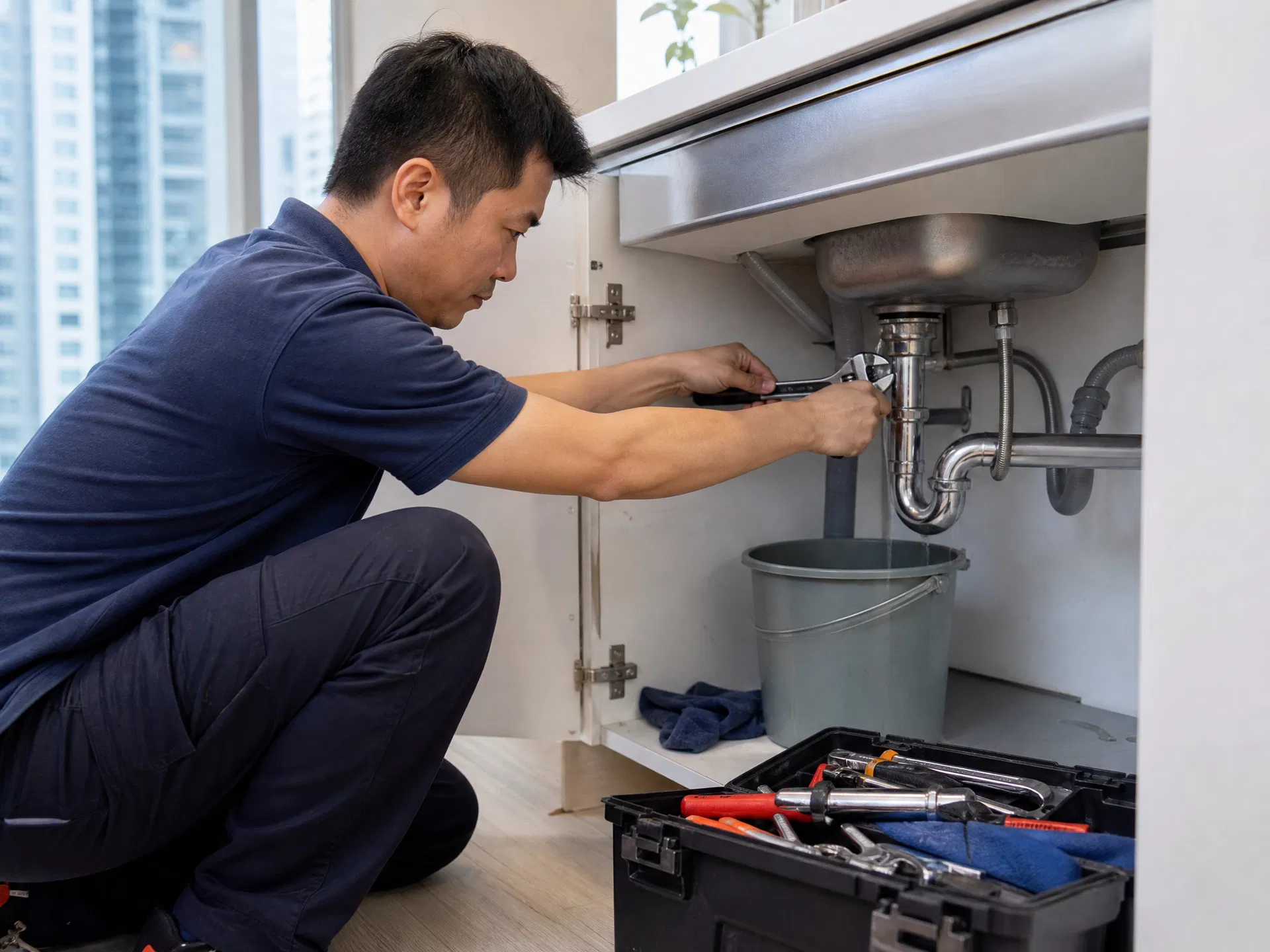
Showers and bathtub faucets represent frequent leakage hotspots, where exposed pipe joints with aged rubber rings or loose screws typically induce noticeable dripping. Residents can dry joints with clean cloths and observe for several hours to confirm issues, scheduling professional plumbing repair if problems persist to prevent wooden cabinet rotting and wall deterioration.
However, when leakage originates from concealed pipes inside walls, situations become complex and invisible to the naked eye. Avoid forcibly chiseling tiles with screwdrivers to inspect interiors, as this damages waterproof membranes or cuts hidden conduits. Assess technical limits before seeking plumbing repair services to ensure absolute safety and prevent electrical hazards.
When dealing with concealed pipe leaks, residents must pay close attention to water meter operation. Once all faucets are completely closed, if the water meter pointer continues turning slowly, this strongly indicates internal pipe fracture. Immediate main valve closure and qualified technician engagement are mandatory to mitigate structural water damage.
Professional plumbers utilize acoustic listening devices and thermal imaging cameras to locate concealed pipe anomalies without destructive demolition. Homeowners should always verify technician credentials and request transparent quotations before authorizing any invasive diagnostic procedures inside residential premises.
Regular checking of flexible shower hoses and mixer valve connections also helps detect minor weeping before it turns into a major pipe burst. Replacing worn rubber washers promptly is a simple task that saves considerable expense and stress.
How to Distinguish Between Aging Floor Waterproofing and Tile Hollows?
Slow drainage or water penetration to lower levels during showers often results from aged floor waterproofing or hollow cracked bathroom tiles. Residents can gently tap tiles with coins; hollow sounds indicate separation from the cement substrate. Water seepage FAQs from the Buildings Department remind residents to note structural hazards caused by prolonged stagnant water.
Facing large-scale waterproofing failure or subfloor structural defects, simple caulking repairs only treat symptoms rather than root causes. Residents should consider professional waterproofing engineering teams to thoroughly reconstruct waterproof membranes and replace damaged tiles to resolve floor seepage fundamentally and protect downstairs neighbors from persistent dripping.
Floor waterproof layer lifespans are heavily influenced by chemical detergents and alternating hot-cold temperatures. If cracking appears around shower enclosure boundaries or floor drains, prompt attention is required. Ignoring micro-cracks accelerates moisture erosion into concrete structures, eventually escalating into expensive comprehensive renovations.
Long-term exposure to stagnant moisture beneath tiles also promotes mold growth and unpleasant odors, which can severely impact indoor air quality and family health. Investing in robust waterproofing solutions during early deterioration stages saves substantial repair expenses in the long run.
Property owners should also verify whether balcony or kitchen waterproofing shares boundaries with the bathroom, as interconnected slabs can sometimes channel water across rooms before emerging on lower ceilings.
What Follow-Up Procedures Should Be Taken for Upstairs Seepage and Ceiling Dripping?
When ceiling boards exhibit extensive stains or continuous dripping, sources typically stem from upstairs pipe fractures or waterproofing failures. Residents must refrain from climbing exterior walls or attempting external blockage, coordinating initially through building management offices or owners' corporations and consulting official seepage investigation guidelines.
Preserving on-site photographs and moisture spread records remains crucial before clarifying responsibility attribution. If neighbors refuse cooperation or situations turn urgent, residents can seek joint office assistance via government departments, avoiding private disputes or destructive actions to prevent legal and safety complications.
When communicating with upstairs residents, maintaining a calm demeanor while providing objective seepage photographs and timeline records is advisable. Management office mediation typically streamlines root-cause identification, preventing unnecessary neighbor friction caused by mere speculation and emotional confrontations.
Government-led joint investigation offices possess statutory powers to conduct color-water tests and moisture content assessments when consensus between neighbors cannot be reached. Understanding this formal statutory procedure helps homeowners navigate complex multi-party disputes with patience and legal compliance.
In cases where rental tenants occupy the upstairs unit, coordinating repairs through property landlords or managing agents ensures that legal obligations and maintenance responsibilities are addressed properly without escalating interpersonal conflicts.
When Must Facilities Be Suspended and Professional Repair Services Sought?
Upon encountering structural seepage, damp wall circuits triggering circuit breakers, or severe hidden pipe bursts, residents must immediately cease using all water and electricity facilities in the zone. Avoid relying on online folk remedies or unlicensed technicians for complex toilet repair or pipe rerouting to prevent enlarged damage and secondary hazards.
To help residents understand handling approaches for diverse seepage conditions, the following comparison outlines inspection characteristics and response recommendations for common bathroom leak issues:
| Seepage Location | Common Symptoms | DIY Inspection Limit | Recommended Professional Action |
|---|---|---|---|
| Exposed Shower Pipe | Joint dripping or rust | Replace aged rings or tighten screws | plumbing repair |
| Bathroom Floor | Wet lower ceiling after showers | Apply localized gap sealant | waterproofing engineering |
| Toilet Base | Sewage seepage during flushing | Inspect perimeter silicone seals | toilet repair |
| Concealed Wall Pipe | Blank meter spin and damp walls | Shut main valve and photograph | water leak repair |
Before professional technicians arrive, residents should ensure proper ventilation and remove moisture-sensitive belongings. Never attempt wrapping high-pressure pipes with temporary adhesive tape, as water pressure can cause sudden bursts, triggering catastrophic flooding throughout the residential unit.
Electrical safety remains paramount during water leakage incidents. If water penetrates lighting fixtures, switch boards, or power sockets, homeowners must trip the main electrical circuit breaker immediately and refrain from touching wet switches under any circumstances.
Establishing emergency protocols within the household ensures that all family members know how to shut off main valves and cut power supplies safely before professional assistance arrives on site.
What Are the Key Measures for Daily Bathroom Maintenance and Seepage Prevention?
Prevention surpasses cure, and regular daily maintenance substantially reduces severe bathroom seepage probabilities. Residents should inspect drainage for washbasins, showers, and toilets weekly, maintaining ventilation and dryness to prevent moisture accumulation from eroding waterproof layers and hardware.
Discovering minor aging or damage in bathroom facilities and arranging timely bathroom minor works prevents minor issues from escalating into major renovations. Residents should avoid pouring foreign objects into drains and clear hair and grease from floor drains regularly to maintain smooth drainage systems.
Establishing sound bathroom habits, such as operating exhaust fans after showers or keeping doors slightly ajar to expel humidity, significantly preserves wall coatings and floor waterproofing. Consistent maintenance extends facility lifespans, keeping living environments dry and secure at all times.
Regular inspection of silicone sealant around bathtubs, washbasins, and shower screens also prevents water ingress behind fixtures. Simple proactive measures implemented consistently throughout the year provide unbeatable protection against unexpected plumbing emergencies and costly structural repairs.
Furthermore, scheduling annual professional plumbing and electrical checkups provides an extra layer of security, catching hidden defects before they manifest into disruptive and expensive home disasters.
Which service guide is most relevant to the next step?
Use the following service guides to understand the scope that best matches the issue before deciding whether an inspection or quotation is appropriate:
- water leak detection hong kong: a focused guide to the scope, safety considerations and contact route for this type of issue.
- plumber hong kong: a focused guide to the scope, safety considerations and contact route for this type of issue.
- toilet repair hong kong: a focused guide to the scope, safety considerations and contact route for this type of issue.
- waterproofing service hong kong: a focused guide to the scope, safety considerations and contact route for this type of issue.
- bathroom repair hong kong: a focused guide to the scope, safety considerations and contact route for this type of issue.
Official reference
Use the Housing Authority’s official guidance as a starting point when a housing, move-in or renovation decision affects a Hong Kong home.
About the author
FixNow Home Repair Editorial Team
Frequently asked questions
Is ceiling dampness in a bathroom necessarily caused by upstairs seepage?
Not necessarily. While upstairs pipe damage or failed waterproofing is common, causes can also include hidden internal pipe leaks, external wall seepage, or communal drainage issues. Cease private facility use and coordinate via management.
Is repairing floor gaps with tile sealant alone sufficient?
Sealant is only suitable for temporary surface crack repairs. When waterproofing layers have aged or subfloor structures are hollow, sealants cannot resolve seepage thoroughly, requiring professional waterproofing engineering.
Can I chisel walls myself when suspecting hidden pipe leaks?
Never blind-chisel walls yourself. Concealed pipes hide electrical wires and structural steel; random work expands damage and risks electrocution or structural hazards, requiring professional plumbing repair.
How should slight water seepage at the toilet base be handled?
If water seeps from the toilet base during flushing, perimeter silicone or internal sealing rings may be damaged. Clean and observe temporarily, and schedule toilet repair if leakage persists.
How can severe seepage be reported to government departments?
If seepage is severe and neighbor coordination fails, contact the Joint Office (Buildings Department and Food and Environmental Hygiene Department). Procedures involve investigations and dye tests, but take time and suit no emergencies.
How much time and money do bathroom leak repairs typically require?
Time and costs depend on complexity and repair scope (exposed pipe replacement versus full waterproofing reconstruction vary vastly). No fabricated pricing is provided; consult qualified contractors directly for quotes.