Bathroom Small Repair Guide: Fixtures, Drains & Cabinets
Bathroom Small Repair Guide: Fixtures, Drains & Cabinets
Published: 2026-08-15 · Updated: 2026-08-15 · 8 min read
TL;DR
Complete guide to bathroom small repairs in HK: fixtures, drains, cabinets & waterproofing. Learn safe troubleshooting steps. Contact our experts today! Use the practical checkpoints below to separate a low-risk next step from work that needs a qualified professional. Keep a written record of the scope, timing and any change agreed on site.
Planning decision checklist
| Stage | Action today | Confirm before proceeding |
|---|---|---|
| Scope | Write down the outcome you need | What is included, excluded and contingent |
| Time | Set a realistic milestone sequence | Access, approvals and disruption constraints |
| Cost | Compare like-for-like quotations | Payment stage, variation process and warranty |
Visual repair guide
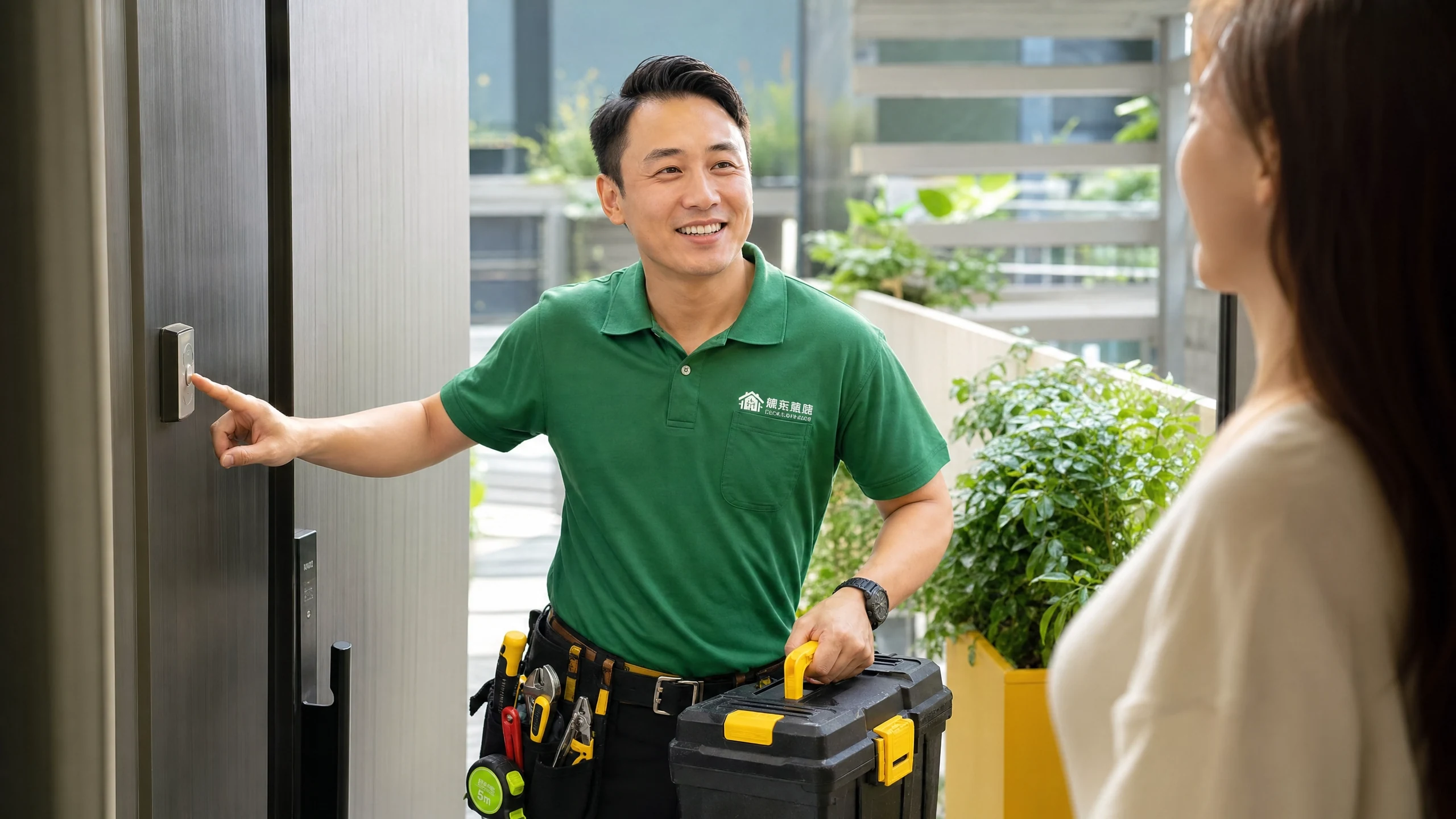
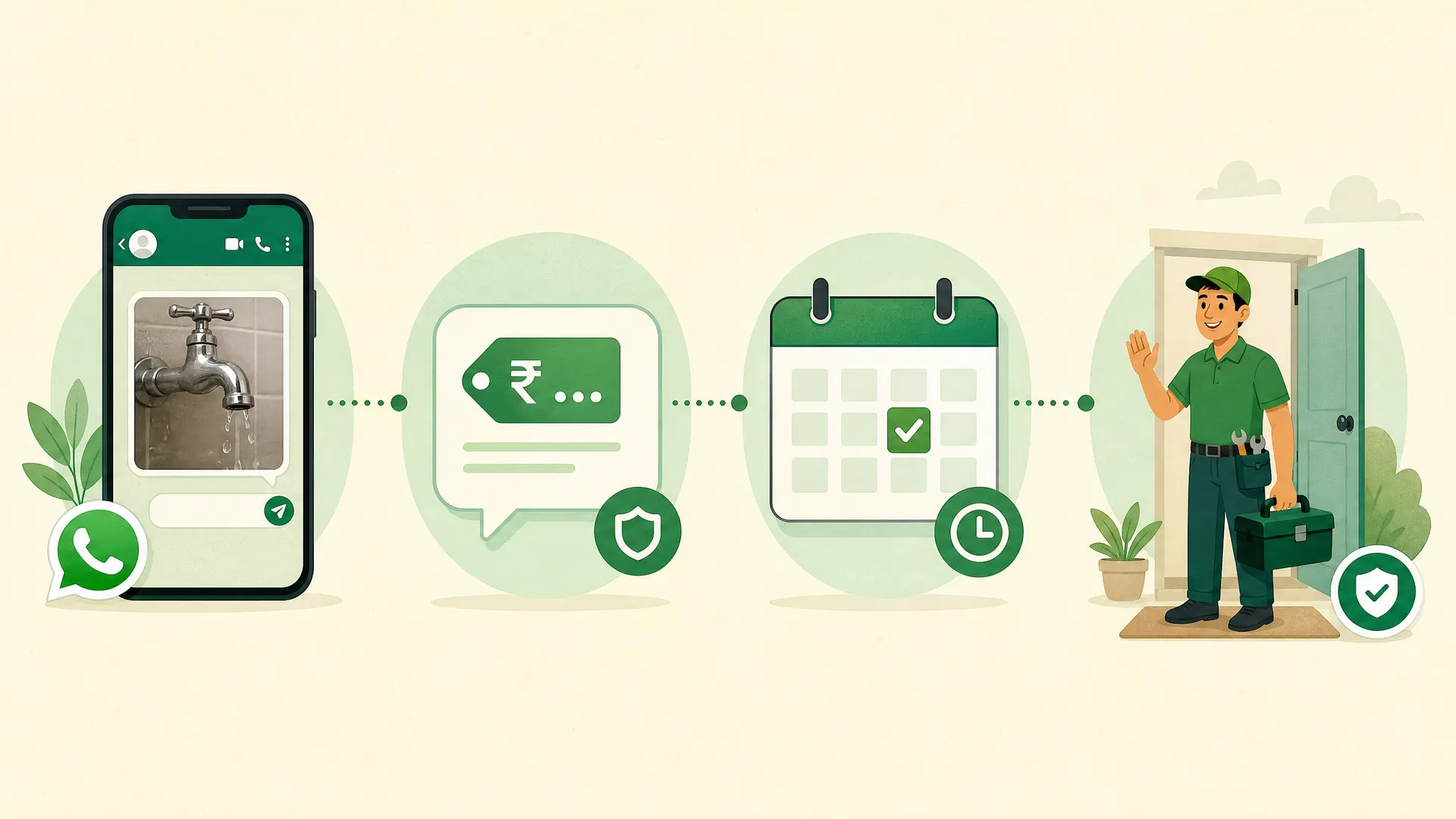
In Hong Kong's humid residential environment, bathrooms represent high-frequency water-usage zones that frequently experience wear, tear, and minor faults over time. When property occupants prepare to undertake various bathroom small repairs, the primary and most crucial step is to accurately assess the extent of damage and shut off relevant water valves to guarantee absolute safety and prevent water damage from spreading further across the property. Establishing clear protocols before commencing any hands-on activity safeguards both residents and surrounding architectural structures from unexpected hazards.
This comprehensive guide is meticulously designed to break down the essential operational sequence for maintaining and repairing shower fixtures, water taps, floor drains, and bathroom cabinetry while clearly outlining professional safety boundaries. By following structured inspection and repair protocols, homeowners can protect their properties from unexpected plumbing emergencies.
Furthermore, understanding the interdependent nature of domestic wet trades ensures that minor issues are resolved before escalating into severe structural degradation or costly neighbor disputes involving shared building elements. Proactive maintenance remains the cornerstone of sustainable property management in high-density urban environments.
Why Is Structuring Bathroom Repairs and Maintenance Essential?
Bathroom facilities within modern residential properties are closely interconnected, meaning that domestic water supply pipes, drainage systems, electrical wiring, and structural waterproofing membranes operate together as an integrated system. Blindly dismantling fixtures or attempting chaotic repairs without a clear, logical plan frequently triggers cascading mechanical failures and costly secondary damage to adjacent building structures.
According to official guidelines published by GovHK regarding residential building maintenance and property repair, proper routine upkeep and the engagement of qualified contractors are fundamental pillars for maintaining long-term structural integrity and safety. Homeowners must understand that ignoring minor plumbing anomalies often leads to catastrophic failures down the road, making structured intervention paramount.
In practical operational terms, minor anomalies such as replacing a worn showerhead or tightening a loose faucet handle can be safely handled by residents with basic DIY skills. However, complex hidden plumbing networks or structural defects demand prompt professional assistance. Structured planning saves valuable time and financial resources while mitigating hazards caused by improper installation.
Furthermore, older residential buildings across Hong Kong often feature aging galvanized iron or PVC piping networks. Applying excessive force or incorrect tools during makeshift repairs can easily result in burst pipes behind plastered walls. Familiarizing oneself with building water cutoff valve locations ensures rapid emergency response when unexpected leaks occur.
Preventative maintenance schedules also help identify early warning signs such as mineral buildup, sluggish drainage, or minor joint seepage before they escalate into major emergencies requiring disruptive structural overhauls.
How to Systematically Troubleshoot and Investigate Bathroom Leaks?
When damp patches, bubbling paint, or water stains manifest on bathroom walls or ceilings, residents must avoid jumping to conclusions based solely on surface appearances. Instead, they should conduct a systematic, step-by-step investigation starting from obvious sources. Authoritative water seepage problem FAQs from the Buildings Department indicate that common seepage culprits include supply pipe leaks, cracked drainage lines, and aged floor membranes.
Residents can utilize dry paper towels or tissue paper to thoroughly test pipe joints, valve connections, and fixture perimeters, carefully observing the frequency and timing of moisture accumulation to determine whether leaks are continuous or intermittent. If minor weeping is detected at exposed threaded joints, replacing aged rubber sealing washers or applying specialized waterproof sealing tape can provide temporary relief.
However, when problems involve concealed pipeline networks behind tiled walls or extensive structural dampness, residents must engage specialized water leak repair services immediately. Haphazard wall chiseling, unverified chemical agents, or makeshift patching will only exacerbate structural damage and potentially trigger complex disputes with neighbors living in units below.
Documenting weather conditions and water usage patterns during the investigative phase is equally vital for accurate diagnosis. Seepage that intensifies exclusively during heavy rainstorms typically points toward external building facade or window frame defects, whereas seepage worsening during active bathing points directly toward internal plumbing failures.
Advanced diagnostic techniques, including thermal imaging and moisture meter readings, are frequently deployed by certified technicians to locate hidden moisture paths without causing unnecessary structural destruction.
When Do Toilets and Washbasins Require Professional Attention?
Abnormal toilet flushing performance, sluggish drainage speeds, or persistent foul odors originating from floor traps represent widespread grievances among Hong Kong households. When facing minor blockages, residents can attempt clearing obstructions using a traditional plunger or manual drain snake. However, if problems recur persistently or involve aged internal flush mechanisms, prompt toilet repair is essential.
Neglecting internal tank component wear can lead to sudden overflow incidents, resulting in substantial property damage and inflated water bills. Professional sanitary technicians possess the specialized tools required to replace faulty siphon valves, flappers, and inlet assemblies safely, ensuring optimal flushing efficiency and water conservation across the household.
The perimeter junctions connecting washbasins and vanity cabinetry also demand rigorous routine inspection. Because wooden and engineered board materials absorb ambient moisture rapidly in confined spaces, prolonged exposure leads to warping, swelling, and mold proliferation. If cabinetry suffers severe structural decay during renovation, replacing them with custom kitchen cabinets and vanity solutions is far superior.
Moreover, the silicone perimeter sealant securing toilet ceramic bases and washbasin edges frequently degrades and detaches over time due to constant humidity. Regularly scraping away deteriorated silicone sealant and applying fresh antimicrobial silicone prevents wastewater from seeping into subfloor screeds and harboring dangerous bacteria.
Routine inspection of supply hoses connected to basin mixers also prevents sudden hose ruptures that can flood bathrooms within minutes if left unaddressed during working hours.
Routine Maintenance and Repair of Drains and Floor Traps
Floor traps serve as the fundamental drainage gateways of any domestic bathroom, frequently accumulating hair strands, dead skin cells, soap scum, and cosmetic residues. These accumulations restrict water flow and create breeding grounds for pests and foul odors. Residents should routinely detach trap strainers to clear debris and verify that U-shaped trap bends retain adequate water seals.
Maintaining proper water levels within trap bends is critical because these liquid barriers effectively prevent sewer gases, bacteria, and viral aerosols from infiltrating the indoor living space. Establishing consistent cleaning routines dramatically reduces the probability of sudden, catastrophic drainage blockages during inconvenient hours.
When drainage pipes suffer from severe obstructions or structural fractures, commercial chemical drain-cleaning liquids frequently offer superficial, temporary relief while corroding metal pipe walls. Property occupants must rely on professional mechanical snaking or high-pressure jetting services to clear stubborn blockages safely without releasing toxic fumes.
Ensuring adequate indoor ventilation further complements drainage maintenance. Utilizing exhaust ventilation fans or opening windows regularly accelerates surface evaporation across wet floor tiles, minimizing mold growth around drainage perimeters and preserving overall indoor hygiene standards.
Regular application of enzymatic drain cleaners can also help break down organic buildup naturally without subjecting fragile PVC pipe joints to harsh chemical degradation.
Key Limitations of Waterproofing Engineering and Partial Renovations
Many homeowners undertaking partial bathroom renovations commit the critical mistake of neglecting structural waterproofing defenses. Any modification involving shower enclosure reconstruction, tile relaying, or wall replastering demands rigorous adherence to professional waterproofing engineering standards. This requires applying sufficient coats of elastomeric waterproof slurry and conducting mandatory 48-hour ponding tests.
Taking shortcuts during waterproof membrane application creates severe latent hazards that inevitably result in costly ceiling leaks in units below. However, professional waterproofing and masonry work demand specialized surface preparation, precise material mixing ratios, and strict drying intervals that untrained DIY enthusiasts cannot replicate reliably.
If hairline cracks or persistent dampness emerge along wall-floor junctions, homeowners must enlist qualified waterproofing contractors rather than applying surface waterproof paint. Furthermore, scheduling noisy renovation works requires close coordination with building management offices to comply with strict deed of mutual covenant restrictions.
Ensuring complete curing times before subjecting new waterproof layers to foot traffic or tile installation is essential for achieving long-term sealing performance in demanding wet areas.
| Repair Item | DIY Suitability | Estimated Time | Professional Need | Key Precautions |
|---|---|---|---|---|
| Fixture Replacement | High (Beginner friendly) | 30 to 60 minutes | Low (Simple structure) | Shut off main water valve first |
| Toilet Part Replacement | Medium (Tools needed) | 1 to 2 hours | Medium (High leak risk) | Ensure silicone seal is watertight |
| Waterproofing Redo | Extremely Low | 3 to 7 days | Extremely High | Mandatory 48-hour ponding test |
| Cabinet Installation | Medium (Two persons) | 2 to 4 hours | Medium (Utility connection) | Verify wall anchoring strength |
When planning various bathroom improvement projects, occupants must make rational, calculated decisions based on available budgets, damage severity, and personal competence. While basic hardware replacements suit DIY enthusiasts, water, electrical, and structural undertakings require professional intervention to guarantee safety.
總結與後續跟進建議
總括而言,香港浴室的日常維護與小修小補需要兼顧安全邊界與專業標準。住戶在日常生活中應養成定期檢查水龍頭、地漏與防水邊緣的習慣,做到防患未然。若遇到超出個人處理能力的問題,及時尋求可靠的專業維修服務才是最明智的做法。
Which service guide is most relevant to the next step?
Use the following service guides to understand the scope that best matches the issue before deciding whether an inspection or quotation is appropriate:
- bathroom repair hong kong: a focused guide to the scope, safety considerations and contact route for this type of issue.
- toilet repair hong kong: a focused guide to the scope, safety considerations and contact route for this type of issue.
- water leak detection hong kong: a focused guide to the scope, safety considerations and contact route for this type of issue.
- waterproofing service hong kong: a focused guide to the scope, safety considerations and contact route for this type of issue.
- kitchen renovation hong kong: a focused guide to the scope, safety considerations and contact route for this type of issue.
Official reference
Use the Housing Authority’s official guidance as a starting point when a housing, move-in or renovation decision affects a Hong Kong home.
About the author
FixNow Home Repair Editorial Team
Frequently asked questions
Do minor bathroom repairs or renovations in Hong Kong require Buildings Department approval?
Under Hong Kong law and Buildings Department guidelines, general non-structural interior renovations and minor repairs (such as replacing sanitary fixtures, faucets, or retiling) typically do not require prior building plan approval. However, removing load-bearing walls or major drainage alterations requires qualified contractors.
Can residents handle severe bathroom water seepage issues by themselves?
Minor surface seepage or loose pipe joints can be temporarily handled by residents replacing gaskets or using waterproof tape. However, continuous or hidden seepage requires professional detection and repair services rather than blind wall chiseling.
Must showerheads and faucets be completely replaced when they drip?
Not necessarily. Often dripping is caused by worn ceramic cartridges or aged rubber washers. Replacing the specific valve core or washer is usually sufficient and avoids replacing the entire faucet.
How should weak toilet flushes or clogs be safely handled?
For minor clogs, use a plunger or manual drain snake. If internal flush mechanisms or drainage structures are faulty, professional toilet repair is recommended. Avoid pouring excessive corrosive chemicals that damage ceramic or pipes.
Why can waterproofing engineering not be compromised during bathroom renovations?
Bathrooms experience high humidity continuously, and waterproofing is the core defense against structural water seepage affecting downstairs neighbors. Skimping on waterproofing or skipping ponding tests leads to costly repairs and disputes.
How should moldy and warped wooden bathroom cabinets in older buildings be addressed?
Standard wood easily absorbs moisture and molds in humid bathrooms. If cabinet structures are warped, surface painting is ineffective. Replacing them with moisture-resistant materials through custom kitchen cabinets and vanity solutions is recommended.