Kitchen Cabinet and Appliance Repair Guide: When to Fix or Replace
Kitchen Cabinet and Appliance Repair Guide: When to Fix or Replace
Published: 2026-08-15 · Updated: 2026-08-15 · 8 min read

TL;DR
Discover how to handle kitchen cabinet, range hood, and water heater minor issues in HK homes with expert repair tips and safety guidelines. Use the practical checkpoints below to separate a low-risk next step from work that needs a qualified professional. Keep a written record of the scope, timing and any change agreed on site.
Planning decision checklist
| Stage | Action today | Confirm before proceeding |
|---|---|---|
| Scope | Write down the outcome you need | What is included, excluded and contingent |
| Time | Set a realistic milestone sequence | Access, approvals and disruption constraints |
| Cost | Compare like-for-like quotations | Payment stage, variation process and warranty |
Visual repair guide
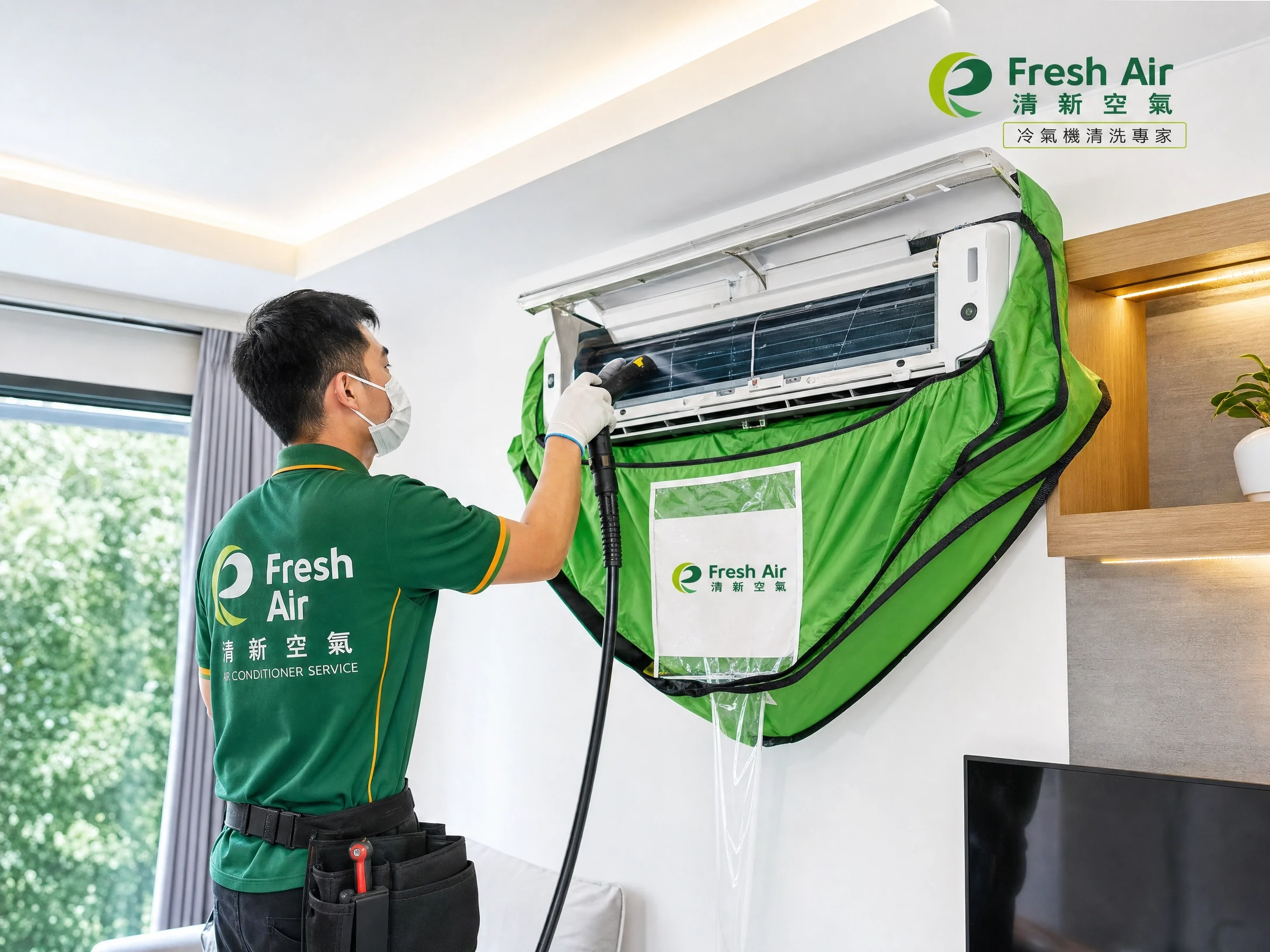
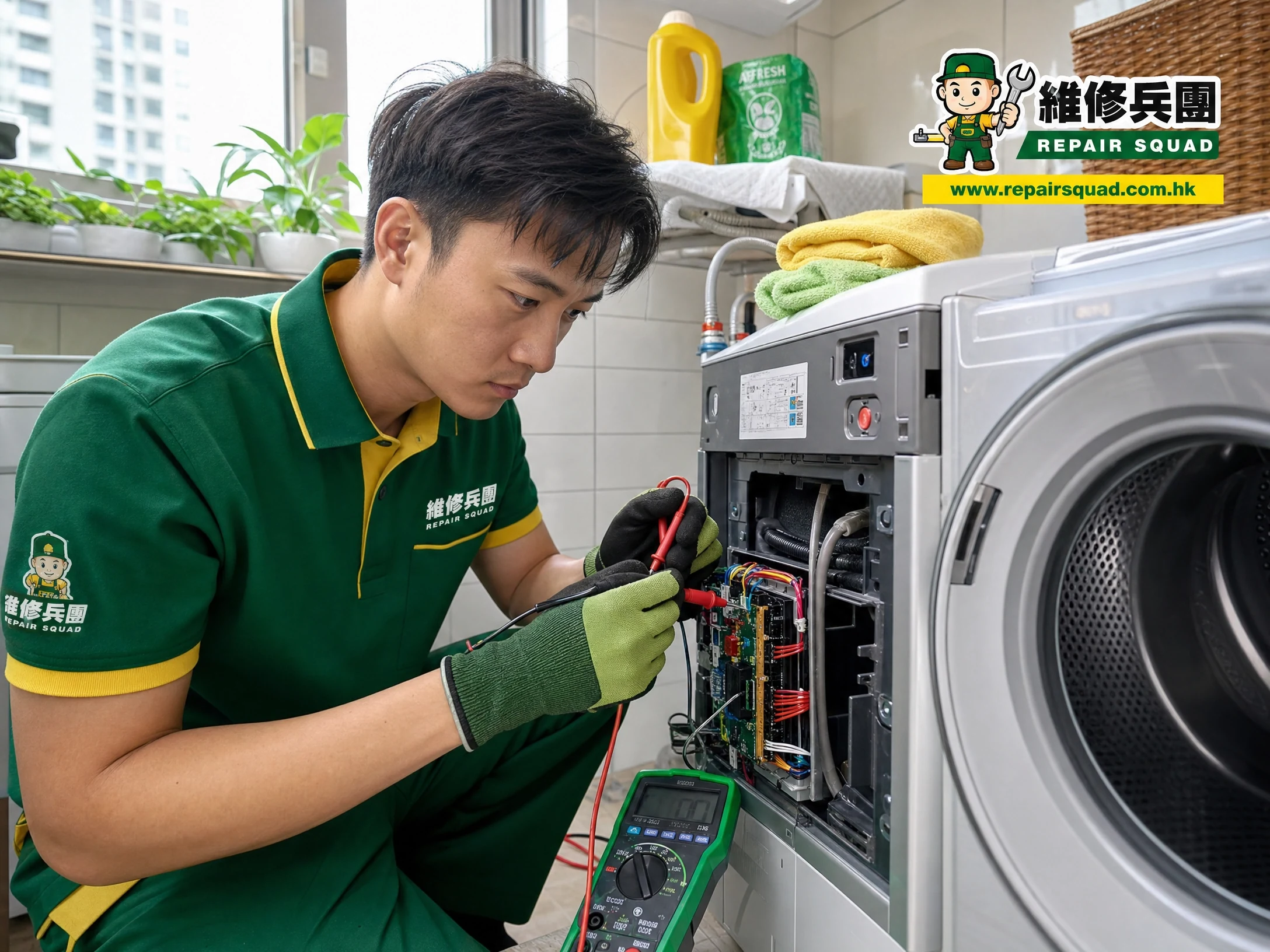
How should residents quickly troubleshoot kitchen equipment minor faults and determine safety boundaries?
As the core zone of Hong Kong homes, the kitchen endures frequent cooking and water usage daily, making facilities like cabinets, range hoods, and water heaters inevitably prone to wear or sudden minor faults. When facing equipment abnormalities, the primary task for residents is to remain calm, determine safety boundaries, and avoid blind disassembly without cutting off power or gas supplies. This article will provide an in-depth analysis of common kitchen equipment damage causes, simple DIY scopes, and when professional support must be sought.
According to relevant government guidelines and daily maintenance experience, many kitchen equipment faults stem from accumulated grease or natural parts aging over time. Understanding correct troubleshooting steps and safety rules not only prevents accidents but also extends equipment lifespans. Before undertaking any inspection, residents must clearly recognize the boundaries between personal capability and professional technical skills, exercising particular caution when electrical and gas systems are involved.
Official government information indicates that proper home maintenance and hiring qualified contractors are fundamental pillars for safeguarding residential safety (referenced from GovHK: Home Maintenance and Repair). Furthermore, routine checking of household facilities significantly reduces unexpected breakdowns during peak seasonal changes, ensuring uninterrupted family operations across all domestic spaces.
Meanwhile, the Electrical and Mechanical Services Department emphasizes that any maintenance involving electrical and gas installations must be performed by qualified professional technicians to prevent electric shock or gas leakage risks (referenced from EMSD: Flammable Refrigerant Safety FAQ). Strict adherence to these statutory safety guidelines protects both occupants and property from severe hazards in high-density urban environments.
Establishing proactive inspection routines allows homeowners to identify minor wear before it escalates into costly emergencies. Recognizing when professional intervention is required saves time, prevents accidental injuries, and preserves the structural and functional integrity of essential kitchen appliances throughout their operational lifecycle.
When cabinet door hinges loosen and drawers jam, how to assess if furniture assembly or repair is needed?
Long-term opening and closing of kitchen cabinet doors easily leads to loose metal hinge screws, misalignment, or failure to close tightly. Residents can initially use a screwdriver for simple adjustments, checking whether adjustment screws on hinges need tightening. If screw holes have enlarged and stripped due to long-term stress, simple tightening will not secure them, and residents should assess whether professional furniture assembly services are needed to restructure or reinforce the panels.
Besides hinges, accumulated grease or deformation in kitchen drawer slides can also cause jamming. Residents can try clearing debris from slides and applying appropriate lubricants, but if slides are metal-deformed or ball bearings have detached, new hardware accessories must be installed. When handling these structural issues, avoid forcing installation without specialized tools or carpentry experience to prevent damaging the overall cabinet structure.
Sometimes kitchen maintenance and bathroom small repair projects need to be considered together, especially when dealing with waterproof edges or swollen cabinets, where having qualified masters evaluate brings more comprehensive protection. Keeping cabinets dry and ventilated and regularly cleaning hardware are the best preventive measures against component damage, effectively extending the service life of kitchen storage.
Furthermore, modern kitchen designs often incorporate complex hardware systems such as hydraulic lifts and soft-close mechanisms. When these advanced components fail, DIY attempts frequently result in further damage to surrounding wooden panels. Therefore, recognizing the structural limits of kitchen cabinetry is essential before attempting any mechanical intervention.
Routine maintenance of cabinet surfaces also prevents moisture penetration during humid seasonal shifts. Applying protective sealants and promptly wiping away condensation safeguards wood laminates against swelling and decay over extended periods of residential occupancy.
When range hoods lose suction or operate abnormally, when should professional appliance repair be sought?
Range hoods are the primary defense against kitchen fumes, but if left uncleaned for extended periods, internal filters and impellers will accumulate stubborn grease, directly causing reduced suction or loud operational noises. Provided that power is disconnected, residents can remove metal filters for cleaning. However, if abnormal vibrations or complete failure to start persist after cleaning, it indicates internal electrical or mechanical faults, requiring professional appliance repair services.
Many residents mistakenly believe that strange noises in range hoods only require DIY lubrication, but internal bearing wear or capacitor aging actually require professional diagnostic tools for accurate assessment. Continuing to use faulty appliances not only fails to exhaust cooking fumes effectively but also creates short-circuit risks from overheating wires, posing hazards to home safety.
When examining various kitchen facilities, residents should establish routine maintenance habits and address performance drops early. Through detailed inspections by professional technicians, the root cause of faults can be accurately identified, preventing minor issues from escalating into major replacements, thereby saving long-term repair costs and ensuring a safe cooking environment.
Regular inspection of exhaust ducts also prevents grease accumulation inside wall cavities, which represents a significant fire hazard in high-density residential buildings across Hong Kong. Engaging certified technicians for annual deep cleaning guarantees optimal extraction performance and compliance with building safety standards.
Proactive replacement of worn ventilation components further enhances indoor air quality by removing airborne pollutants efficiently. Homeowners should never overlook subtle changes in operating sounds or extraction speeds as these serve as early warning indicators of impending mechanical failure.
When water heaters experience ignition issues or unstable temperatures, why is water heater repair safety critical?
As vital hot water supply facilities for kitchens and bathrooms, water heaters have an operational safety directly tied to residents' lives and property. When water heaters experience ignition failure, fluctuating water temperatures, or faint gas odors during use, residents must never dismantle internal components themselves. The internal structures of gas or electric water heaters are complex and involve gas and high voltage, making improper operation extremely hazardous.
Before seeking professional assistance, residents can perform simple external factor checks, such as confirming whether the main gas valve is fully open, checking if the electric water heater's circuit breaker tripped, or verifying battery levels. If external power and gas supplies are normal yet appliances still fail to operate, residents must contact qualified technicians immediately for water heater repair and avoid taking risks by continuing usage.
Government and electrical departments repeatedly remind the public never to modify or repair gas and electrical equipment privately. Engaging professional technicians holding relevant licenses for on-site inspection ensures parts meet specifications and provides safety inspection reports, giving residents solid protection and peace of mind in daily use.
Moreover, adequate ventilation around gas water heaters must never be obstructed by stored items or temporary shelving. Ensuring unobstructed airflow prevents carbon monoxide accumulation, which remains a critical safety priority in residential property management throughout the territory.
Scheduled servicing by authorized agents ensures burners and ignition electrodes remain free from carbon buildup. Maintaining optimal combustion efficiency prevents sudden operational cutoffs and extends the reliable lifespan of domestic hot water systems.
When planning kitchen renovations or kitchen cabinet customisation, how should utility and space coordination be managed?
When kitchen facilities age frequently or space planning falls short, many residents consider partial renovations or kitchen cabinet customisation. When planning a new kitchen, primary considerations include plumbing routing, built-in appliance dimension limits, and smooth daily workflows. Reasonable space planning not only significantly enhances cooking efficiency but also effectively prevents future repair troubles arising from pipe displacement or poor heat dissipation.
Customising kitchen cabinets requires precise measurement of wall verticality and floor flatness, reserving adequate space for range hood ducting, refrigerator ventilation, and water heater exhaust. If modifying gas pipes or adding large appliance sockets is involved, registered specialised contractors and licensed electricians must be commissioned, complying with relevant regulations and procedures to ensure the entire renovation project complies with safety codes.
Through professional spatial design and high-quality construction coordination, kitchen facilities can be perfectly integrated, providing long-term stable daily support for families. When facing complex kitchen remodeling plans, residents should communicate extensively with design and engineering teams to formulate optimal solutions balancing aesthetics, storage, and safety.
Additionally, coordinating tile work, waterproofing, and cabinetry installation requires careful scheduling to prevent delays and moisture trapping behind newly installed units. Professional project management ensures seamless integration of all residential trades.
Comprehensive preliminary planning also accounts for future electrical load requirements, ensuring that upgraded circuit breakers and wiring configurations safely support modern high-power culinary equipment without risking overloads.
Kitchen Equipment and Repair Requirements Checklist and Comparative Analysis
To help residents clearly grasp the boundaries between kitchen repairs and daily maintenance, the following comparative table and step-by-step operational list will assist you in making the wisest decisions when facing various faults.
| Equipment Item | Common Fault Phenomenon | DIY Scope for Residents | Professional Repair Timing & Advice |
|---|---|---|---|
| Cabinet Hinges | Loose hinges, stiff operation | Adjust screws, apply lubricant | Stripped holes, structural warp require replacement |
| Range Hoods | Reduced suction, noise | Clean metal filters, remove surface grease | Motor faults, bearing damage require overhaul |
| Gas Water Heaters | Ignition failure, unstable temp | Check batteries, confirm gas valve open | Internal part failure, gas leakage |
| Kitchen Sinks | Slow drainage, pipe dripping | Clear U-trap, tighten joint rubber rings | Hidden pipe breaks, severe clogs need professional clearing |
* Step 1: Disconnect power or gas supplies to ensure safety before any initial checks.
* Step 2: Observe the fault symptoms, record error codes, abnormal noises, or leak locations for technicians.
* Step 3: Assess whether the issue falls within simple DIY scope (such as cleaning filters or tightening screws).
* Step 4: If electrical, gas, or structural disassembly is involved, avoid forcing it and contact qualified technicians immediately.
* Step 5: Confirm repair quotations and warranty terms before scheduling professionals for inspection or replacement.
Which service guide is most relevant to the next step?
Use the following service guides to understand the scope that best matches the issue before deciding whether an inspection or quotation is appropriate:
- bathroom repair hong kong: a focused guide to the scope, safety considerations and contact route for this type of issue.
- appliance repair hong kong: a focused guide to the scope, safety considerations and contact route for this type of issue.
- water heater repair hong kong: a focused guide to the scope, safety considerations and contact route for this type of issue.
- furniture assembly hong kong: a focused guide to the scope, safety considerations and contact route for this type of issue.
- kitchen renovation hong kong: a focused guide to the scope, safety considerations and contact route for this type of issue.
Official reference
Use the Housing Authority’s official guidance as a starting point when a housing, move-in or renovation decision affects a Hong Kong home.
About the author
FixNow Home Repair Editorial Team
Frequently asked questions
Can loose kitchen cabinet doors be tightened with a screwdriver by yourself?
Yes, if it is just loose hinge screws, residents can adjust them. However, if the screw holes are stripped, simple tightening won't work, requiring wood filler or hinge replacement without force.
What safety precautions are needed when cleaning range hood filters, and what if noises persist?
Always disconnect power before cleaning filters to prevent electric shock. If abnormal vibration or friction noises persist after cleaning, bearing wear or impeller damage is likely, requiring professional inspection.
When water heaters fail to ignite, what external factors can residents check?
Residents can check if the gas valve is open, the water heater tripped, or batteries are depleted. If external supplies are normal and ignition fails, avoid self-disassembly and contact qualified technicians.
If the drainage pipe under the kitchen sink is dripping, is a master needed?
If it's just loose or aged rubber rings at the U-trap joints, residents can tighten or replace them. If the pipe has cracks or in-wall leaks, professional assistance is necessary.
What should be prepared before repairing a built-in refrigerator or steam oven?
Clear surrounding items, unplug the power, and record error codes or symptoms. Also check warranty status to confirm repair fee details with the service provider.
Why are older Hong Kong kitchen circuits unsuitable for multiple high-power appliances simultaneously?
Older HK flats have aged wiring and lower load limits. Using induction cookers, microwaves, and water heaters simultaneously can overload circuits, causing trips or overheating. Stagger usage or consult electricians.