Toilet Repair Guide Hong Kong: When to Fix, Unclog or Replace
Toilet Repair Guide Hong Kong: When to Fix, Unclog or Replace
Published: 2026-08-15 · Updated: 2026-08-15 · 8 min read
TL;DR
Facing constant running toilets, leaks, or odours in Hong Kong? Learn essential toilet repair, plumbing maintenance, and when to call professionals today. Use the practical checkpoints below to separate a low-risk next step from work that needs a qualified professional. Keep a written record of the scope, timing and any change agreed on site.
Planning decision checklist
| Stage | Action today | Confirm before proceeding |
|---|---|---|
| Scope | Write down the outcome you need | What is included, excluded and contingent |
| Time | Set a realistic milestone sequence | Access, approvals and disruption constraints |
| Cost | Compare like-for-like quotations | Payment stage, variation process and warranty |
Visual repair guide
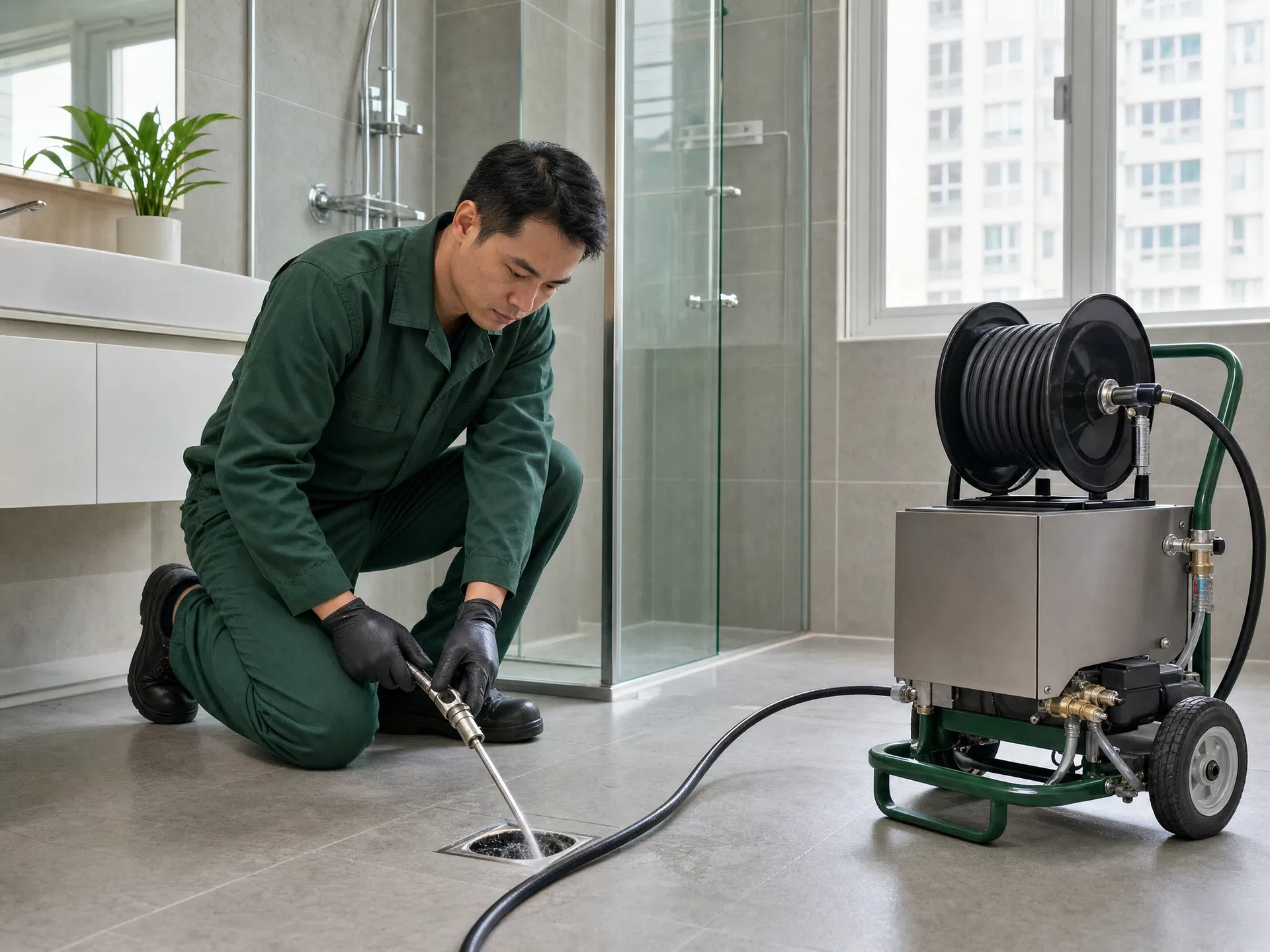
When facing constant running toilets, base leaks, or severe odours in Hong Kong, the immediate priority is to shut off the water supply angle valve to prevent flooding and assess whether the issue stems from component aging or structural damage. This article explores essential aspects of toilet repair, clearing blockages, plumbing maintenance, and drainage care, helping residents understand safety boundaries and correct inspection steps comprehensively.
In Hong Kong's high-density residential environment, toilet systems endure frequent daily use, meaning internal tank components such as flush valves, flappers, and fill valves are prone to wear and tear over extended periods of operation. When residents notice continuous water running or a malfunctioning flush button, they should avoid applying excessive force, which could damage internal ceramic structures or cause connection joints to burst unexpectedly.
According to official government information and building maintenance guidelines, residents should shut off water valves and ensure adequate bathroom ventilation before conducting any minor inspections. For issues involving main building drainage stacks or structural waterproofing layers, residents must not attempt unauthorized disassembly to avoid breaching communal pipe regulations or liability for seepage.
To ensure a dry and hygienic living environment, residents must establish a good habit of regularly inspecting water tanks and drainage pipelines. Every few months, opening the cistern lid to observe the operational status of internal components, checking for sediment or rust, is highly recommended. Catching minor leaks early prevents them from escalating into major flooding incidents later on. Such preventive maintenance not only saves precious water resources but also significantly reduces the disturbance caused by sudden emergencies.
Furthermore, maintaining clear records of past inspection dates and component replacement histories can greatly assist professional technicians when they arrive. Understanding the general lifespan of ceramic fixtures and rubber seals empowers homeowners to make proactive decisions before total failure occurs. Education and vigilance remain the twin pillars of effective household management in urban high-rises.
In addition to regular checks, understanding the environmental factors of high humidity in Hong Kong is crucial for preventing mold growth around bathroom fixtures. Moisture management directly impacts the longevity of silicone seals and tile grouting near the toilet base. Taking preventative measures ensures that minor dampness does not transform into severe structural degradation over extended periods of time.
How should residents conduct preliminary checks and safety assessments when common toilet faults occur?
When a toilet exhibits abnormal noises, slow drainage, or high water levels, residents should calmly perform visual and functional checks. First, observe whether the water level in the cistern exceeds the overflow pipe. Second, inspect the junction between the toilet base and the floor for water seepage. Finally, test the resilience and smoothness of the flush button. These preliminary assessments help determine whether the problem is simple component aging or severe pipe blockage.
If water continuously flows into the bowl, it is typically caused by a degraded or hardened flapper valve covered in scale. Residents can open the cistern lid to inspect the rubber components and replace them if damaged. However, if the fault involves cracks in the main ceramic body, total replacement must be considered for safety.
When handling various household faults, residents can also refer to the GovHK Home Maintenance and Repair guide for contractor hiring advice and basic maintenance knowledge. Always prioritize safety when dealing with complex utility installations, and never attempt repairs without proper protective gear or professional tools.
Property owners should also bear in mind that minor faults left unattended often develop into costly structural damage over time. Establishing a routine checklist for sanitary ware inspection ensures that minor rubber seal degradation is caught and addressed promptly. This proactive stance significantly minimizes unexpected disruptions in daily residential life.
What actions should be taken when toilet flush systems fail or leaks occur?
A malfunctioning flush system or persistent leakage causes water waste and hygiene hazards. When encountering a fill valve that fails to stop water or a tank that will not fill, residents should check if the float ball is jammed by debris. If the float operates normally but water continues flowing, the entire fill assembly usually requires replacement.
If leakage appears between the toilet base and the floor, the situation is more complex. This may indicate a damaged floor flange or loose drainage connections. Surface waterproof sealant alone cannot resolve the root cause; qualified technicians must be engaged for a comprehensive inspection and reinstallation.
During such water-related repairs, professional plumbing repair services can accurately diagnose concealed pipes and joints, avoiding extensive water damage caused by blind disassembly. Residents should also regularly monitor drainage conditions during daily use to prevent issues beforehand.
In addition to cisterns and bases, the surrounding wall and floor waterproofing layers of the bathroom represent critical elements that must not be neglected. Chronic minor seepage frequently erodes floor slabs and fosters mold growth, posing potential threats to respiratory health. Therefore, when residents discover persistent dampness around the base, seeking relevant bathroom minor works assistance to thoroughly inspect and repair hidden structural waterproofing vulnerabilities is essential.
What are the standard troubleshooting and handling steps when a toilet clog and poor drainage occur?
Unexpected clogs in daily life can be overwhelming. When encountering a toilet clog clearance situation, residents should immediately stop flushing to prevent sewage overflow onto the bathroom floor. Below are standard safety handling and troubleshooting steps for residents to reference during sudden blockages.
1. Immediately stop using the toilet and close the water supply angle valve to prevent the water level from rising and overflowing.
2. Prepare a plunger or vacuum pump, applying steady downward vertical force to create pneumatic pressure that dislodges the blockage within the pipe.
3. If manual plunging is unsuccessful, utilize a specialized drain snake or seek professional assistance, avoiding excessive chemical agents that may corrode metal pipes or ceramic glaze.
4. Inspect drainage speed and backflow conditions, recording blockage frequencies to provide accurate information to technicians.
When physical unblocking methods fail to resolve stubborn clogs, blindly using chemicals is not only ineffective but may cause secondary pipe damage. Seeking professional drain unblocking services is the optimal choice to ensure smooth drainage systems.
Throughout the process of addressing poor drainage, residents must remember to keep the bathroom well-ventilated to avoid inhaling odours or harmful gases generated by blockages. At the same time, never dispose of bulky items, hard objects, or large quantities of grease down the toilet, as these substances represent the root causes of repeated pipe clogging. Cultivating correct usage habits is the key to maintaining long-term drainage fluency.
Toilet structure versus maintenance: When does an issue qualify as routine care or specialized service?
To give residents a clearer understanding of the boundaries between various problems, the table below compares the nature, common causes, and suitable treatment plans for toilet-related faults, assisting you in making informed repair decisions.
| Fault Phenomenon | Primary Cause | Recommended Resident Action | Recommended Professional Action |
| --- | --- | --- | --- |
| Continuous tank trickle | Worn flapper, scale accumulation | Clean or replace internal rubber components | Replace entire fill valve and button assembly |
| Severe toilet backflow | Foreign objects in trap, main stack blockage | Use basic plunger for physical unblocking | Deploy professional mechanical equipment for deep unblocking |
| Odour and sewage at base | Damaged flange, loose floor joint | Keep bathroom ventilated and clean surface water | Dismantle toilet to reset flange and waterproof seal |
| Complete flush button failure | Broken internal linkage, rusted spring | Check connection state between button and cable | Replace OEM button and linkage accessories |
As shown in the table, simple component replacements and routine maintenance fall within the resident's scope, while items involving structural seals and deep pipe issues should be handled by professionals.
When comparing various repair options, residents should comprehensively evaluate repair costs, time frames, and potential safety risks. Never compromise on safety by hiring unlicensed technicians to save short-term expenses, as this frequently leads to significantly higher repair costs and legal liabilities later. Informed decisions rest upon a solid understanding of professional standards and product lifespans.
When is it necessary to hire professional contractors to handle severe faults?
When home repairs exceed routine maintenance boundaries—such as involving communal building drainage networks, severe cracking of the toilet body, or concealed wall pipe seepage—hiring qualified contractors becomes a necessity. According to Buildings Department Drainage Repair guidelines, properly maintaining private and building drainage systems is the legal responsibility of property owners.
When selecting contractors, residents should verify their professional credentials, past reputation, and quotation transparency. Never trust exaggerated promotions or verbal commitments from unlicensed contractors. Seeking assistance through formal channels guarantees repair quality and ensures compliance with Hong Kong building and drainage regulations.
In summary, daily toilet care and maintenance require a balance of safety and professionalism. By mastering basic inspection and contingency knowledge, combined with seeking timely professional assistance, residents can ensure a dry, hygienic living environment and extend the lifespan of all facilities across their homes.
Which service guide is most relevant to the next step?
Use the following service guides to understand the scope that best matches the issue before deciding whether an inspection or quotation is appropriate:
- toilet repair hong kong: a focused guide to the scope, safety considerations and contact route for this type of issue.
- toilet clog repair hong kong: a focused guide to the scope, safety considerations and contact route for this type of issue.
- plumber hong kong: a focused guide to the scope, safety considerations and contact route for this type of issue.
- bathroom repair hong kong: a focused guide to the scope, safety considerations and contact route for this type of issue.
- drain unblocking hong kong: a focused guide to the scope, safety considerations and contact route for this type of issue.
Official reference
Use the Housing Authority’s official guidance as a starting point when a housing, move-in or renovation decision affects a Hong Kong home.
About the author
FixNow Home Repair Editorial Team
Frequently asked questions
What should be done when water continuously flows into the toilet bowl from the cistern?
This is usually caused by a hardened flapper valve or scale accumulation on cistern parts. Residents can shut the supply valve and inspect rubber parts; replace them if damaged. If the issue persists, professional toilet repair is recommended.
Can chemical drain cleaners be used when facing a toilet clog?
Heavy use of strong acid or alkali chemical cleaners is not recommended. Such chemicals can corrode ceramic or metal joints and cause thermal damage. Physical plungers or professional drain unblocking should be prioritized.
Do odours or slight seepage at the toilet base require reinstallation?
Yes. Base odours or seepage typically indicate a damaged floor flange or loose joint. Surface silicone sealant cannot block odours and sewage; a qualified technician must dismantle and reset the seal.
How to determine whether a toilet fault requires routine repair or full replacement?
If faults are limited to cistern parts, buttons, or minor clogs, repairs or parts replacement suffice. However, if the ceramic body has structural cracks or severe aging leaks, full replacement is advisable.
What should be noted when hiring plumbing repair or drain unblocking contractors?
Residents should choose reputable, transparently priced qualified contractors, ensuring they hold relevant licenses and provide receipts. Avoid unverified promotions and consult government guidelines for protection.
How should routine toilet maintenance be performed to reduce faults in daily life?
Avoid flushing wet wipes, cotton buds, or grease down the toilet. Regularly clean inside the cistern and check button operation. Maintaining bathroom ventilation also helps reduce mold and rust.